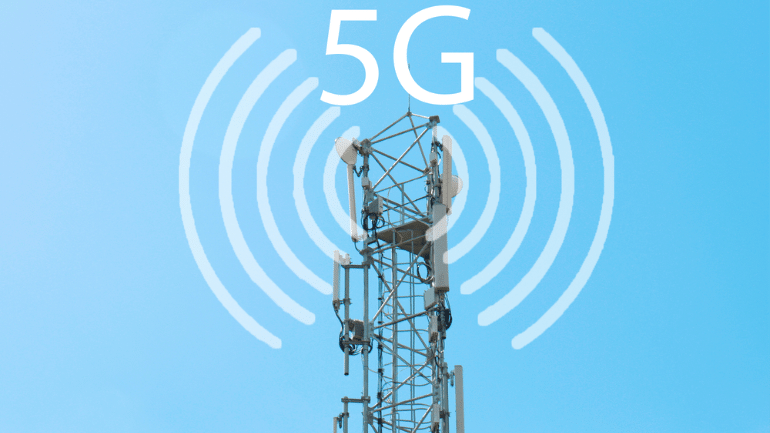
In a robust move, Nokia is set to enhance 5G Fixed Wireless Access (FWA) with the unveiling of FastMile, two innovative solutions aimed at boosting indoor and outdoor coverage. This stride could revolutionize the industry, especially when considering wall attenuation effects on network capacity. FastMile’s outdoor solution cleverly sidesteps signal loss due to wall materials, while an intuitive mobile app assists users in determining the best placement for their receivers—shaping a route towards an optimal user experience in telecommunications.

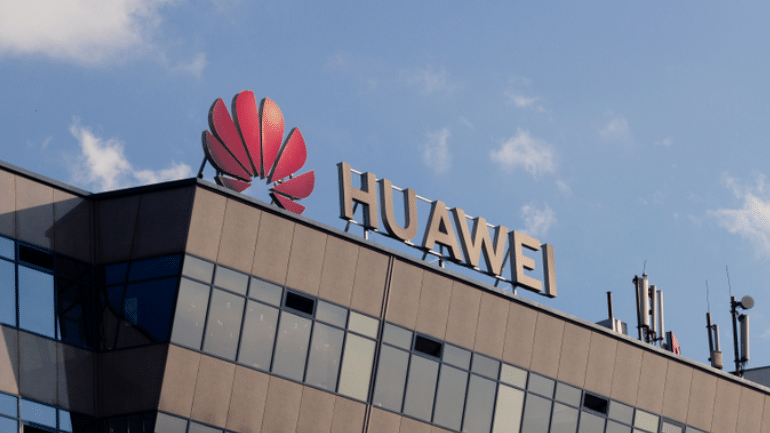
In a quantum leap for telecommunications, the emergence of 5G-Advanced next year is set to revolutionize user experiences and catalyze operator revenue growth. Unveiling at the 2023 MWC Shanghai, Huawei is geared to lead this evolution with its innovative capabilities and AI-empowered design. Pioneering 5.5G network solutions, the telecom giant intends to enhance services for a sprawling customer base spread over 260 5G networks worldwide. Close on its heels, is the seamless integration of cloud with the core network, creating intelligent entities of simple Internet-based objects, promising profound implications in IoT.
Microsoft’s UK AI data center delay exposes power challenges shaping cloud, telecom, and VoIP infrastructure. As VEON expands 5G in Uzbekistan, TIM reshuffles leadership, and Arelion boosts Baltic capacity, the industry race for resilient networks, better broadband, and reliable business communications keeps accelerating across Europe and beyond for enterprises worldwide.
Ericsson says India’s 5G growth is far from over as AI apps, VoIP services, fixed wireless access, and network slicing fuel demand for faster uplinks, lower latency, and smarter connectivity. With 550 million users and rising data traffic, operators now face the challenge of turning nationwide coverage into revenue growth
Huawei’s new optical network solutions spotlight how AI-ready fibre can transform enterprise connectivity, VoIP performance, and real-time communications. From F5G-A to intelligent campuses and data centres, Huawei is pushing low-latency, high-bandwidth infrastructure that supports smarter operations, resilient cloud voice services, and future-ready industrial AI deployments across connected sectors globally today.
Regional carriers must accelerate 5G standalone upgrades, secure spectrum access, and use AI-driven automation to compete with national networks. For VoIP providers, stronger rural broadband, lower latency, and reliable mobile infrastructure can unlock better voice services, cloud communications, and customer experiences as investment pressure rises ahead of 6G planning cycles.
Ericsson and Nex-Tech Wireless are accelerating rural 5G network modernization across Kansas, upgrading RAN, cloud-native 5G Core, and data platforms to boost speed, latency, VoIP quality, and service agility. The four-year deal positions regional telecom providers for stronger mobile coverage, hosting opportunities, and scalable next-generation connectivity in underserved communities statewide
Passive antennas are becoming critical 5G-Advanced infrastructure as operators target higher capacity, cleaner uplinks, lower latency, and greener RAN sites. For VoIP providers, improved antenna efficiency and automation can enhance call quality, reduce interference, and support reliable mobile VoIP performance across dense networks, IoT environments, and future AI-driven telecom deployments.
EE’s Fast Lane brings UK-first commercial 5G network slicing to consumers and small businesses, improving connectivity during crowded events. Built on 5G Standalone, it supports reliable VoIP calls, mobile payments, streaming, and ticketing when networks are congested, showcasing how dedicated 5G slices can boost business communications and customer experience today
EE’s Fast Lane brings commercial 5G network slicing to the UK, giving mobile users and businesses priority connectivity during crowded events. For VoIP, UCaaS, mobile payments, and live streaming, dedicated 5G+ lanes could mean lower latency, fewer dropped connections, and more reliable real-time communications when networks face peak demand surges.