Nokia and Bharti Airtel have teamed up to offer developers in India a seamless integration of network capabilities via the Network as Code platform. This strategic move provides access to Airtel’s network APIs, enhancing VoIP capabilities with AI, 5G, and edge computing. This collaboration empowers innovation and creates new revenue channels in telecommunications.
Discover how Internet Service Providers in the UK are transforming with value-added services to stand out in the competitive market. VoIP services, cloud gaming optimization, and cybersecurity tools are enhancing consumer experiences. Stay informed on the latest VoIP trends and how these innovations are reshaping internet services.
Telecom operators are transforming into key players in AI services, appealing to enterprises seeking seamless AI solutions. Historically focused on connectivity, telcos are now diversifying with AI infrastructure and tools. This shift, prompted by corporate demand, offers substantial growth potential as traditional revenue streams decline. Successful operators harness AI infrastructure, collaborating with platform developers to offer customized solutions and productivity tools. Their strategic advantage includes expansive networks and data centers, enabling competitive pricing and data sovereignty. However, to capitalize effectively, they need to overcome internal challenges and navigate competition from hyperscale cloud providers like AWS and Google Cloud.
Amid Black Friday’s digital communication surge, Sinch reported a 144% increase in AI-powered Rich Communication Services. Businesses increasingly favor rich messaging formats, blending traditional channels like SMS and email with interactive VoIP solutions. This shift underscores the essential role of AI in creating standout conversational experiences in competitive markets.
AT&T is suing T-Mobile over the new Easy Switch tool, alleging unlawful access to its systems using AI tools. This tool, promising quick network switches, is under fire for allegedly scraping customer data. The lawsuit highlights ongoing tensions and competitive tactics in the telecom industry’s battle for customer acquisition.
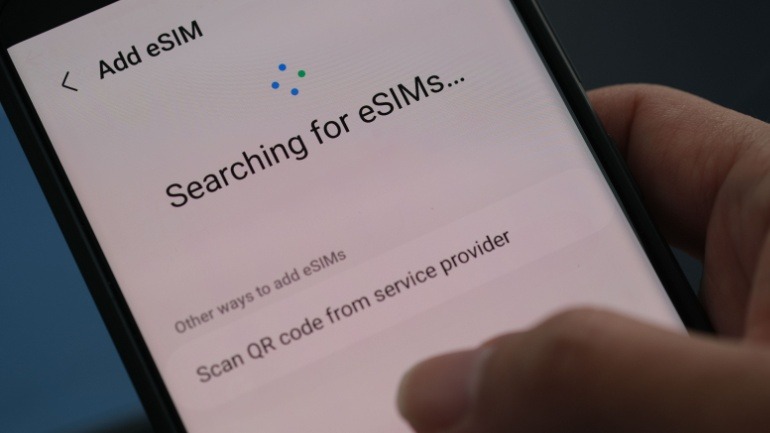
The rise of embedded SIMs, or eSIMs, heralds a transformative shift in mobile telecommunications, championed by leaders like Lyca Mobile. As the industry adopts these innovative solutions, the eSIM’s potential to enhance connectivity and customer experiences becomes undeniable. By eliminating physical cards, eSIM technology supports seamless interoperability across platforms. This advancement simplifies device-switching and optimizes user choices, positioning eSIMs as the future of digital connectivity. Enhanced security and reduced environmental impact further promote widespread eSIM adoption, promising a dynamic and adaptable mobile communication landscape.
Macquarie Technology Group is innovating to meet Australia’s growing demand for AI and cloud computing. With a groundbreaking 150MW data centre project, they explore funding strategies like capital recycling and joint ventures. These efforts position Macquarie as a dynamic leader in leveraging VoIP and cloud technologies, shaping Australia’s digital future.
Telecom operators can now revolutionize their installation process with vHive’s On-Site Validation service, utilizing digital twins and drones for precise setups. This method offers real-time feedback, ensuring first-time-right workflows and reducing OPEX waste. Such technological advancements promise to streamline 5G rollouts and redefine telecommunication industry practices.
Meta’s recent announcement to update WhatsApp Business terms by removing Microsoft Copilot and ChatGPT by January 2026 signals a significant shift for organizations relying on these tools. This change necessitates swift evaluation of AI alternatives and urges businesses to rethink multi-channel AI strategies to avoid vendor lock-in while maintaining efficiency through adaptive solutions.
Telefónica is actively pursuing the sale of its logistics unit, Zeleris, as part of its asset monetization strategy. Leading contenders OnTime and Everwood Capital aim to acquire the unit, enhancing its operational scope. This move aligns with Telefónica’s efforts to reduce debt, focus on core telecom services, and drive growth.