Cloud communications leader Sinch and one of North America’s largest and most trusted membership organizations, AAA, are partnering to expand chat capabilities for individuals requesting roadside assistance. These changes will allow those stranded in remote areas to seamlessly connect with AAA for help.

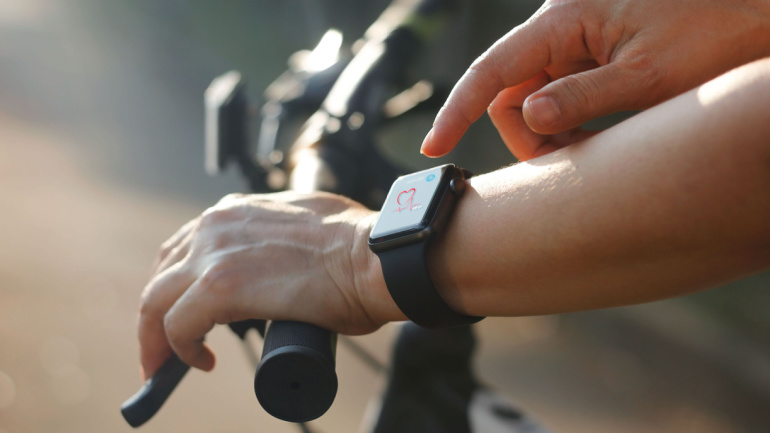
The global wearable device market has bounced back, with an 8.5% year-on-year increase in Q2 shipments, counteracting a two-quarter decline. This upswing is not all positive news, with the market value taking a hit as competition leads to hefty price discounts. However, a growing preference for comprehensive health tracking provides exciting potential, with major brands and emerging players closely eyeing this trend. An interesting spectrum lies ahead in wearable technology, where even the traditional dominance of smartwatches may be contested by earware.
Metazoa pioneers AI in Salesforce with their Intelligent Assistant, enhancing administrative capabilities. HP wows with its Spectre Fold, a versatile $5,000 three-in-one device. Japan’s blockchain AI market skyrockets, set to grow by 24.2% CAGR thanks to government support, business adoption, and venture capital investments. Lastly, Emoji 15.1 introduces fresh icons, including headshakes, a phoenix, and more.
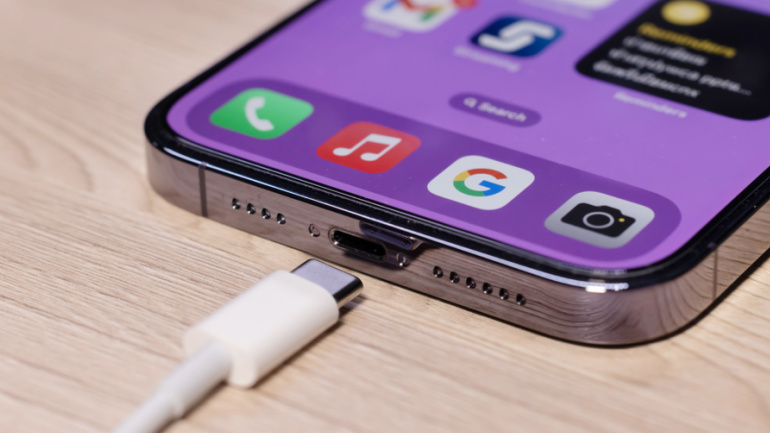
Apple’s recent unveiling of four new iPhone models, with prices starting from £799, highlights the company’s steady stream of innovation. This release has also stirred debate among smartphone enthusiasts questioning the extent of the innovations, especially considering the premium pricing. Despite predicted criticism, Apple maintains its market dominance by committing to incremental upgrades, asserting a commitment to environmental responsibility, and boasting durable, low-bug products.
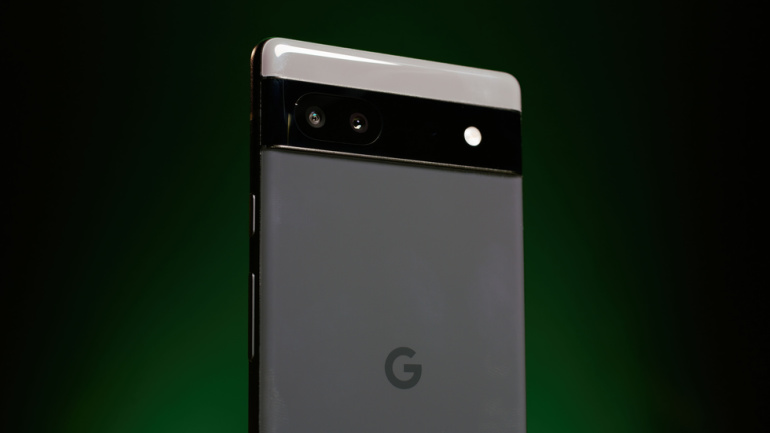
Google Chrome’s desktop version is set for a Material You design update. Apple hints at traditional smart glasses development through a recent patent, complementing their Vision Pro headset. Verizon introduces a versatile Mobile Onsite Network-as-a-Service for enterprises, offering private networks, edge compute, SD-Wan, and satellite connectivity. Meanwhile, Google unveils its Pixel 8 series and teases the Pixel Watch 2 ahead of an October 4th launch event.
The EU’s strategic push under the Digital Markets Act has resulted in mega-tech firms Alphabet, Amazon, Apple, ByteDance, Meta and Microsoft being labelled ‘gatekeepers’. With this new classification, pivotal changes are expected in the realm of digital services for end-users and businesses. Crucial guidelines centering around data transparency, competitiveness, and platform interoperability must now be adhered to. On the other side of the coin, brands such as Samsung have evaded the ‘gatekeeper’ tag.
In a recent announcement, Verizon is set to launch its latest cellphone plan, the Unlimited Ultimate, priced at $90 per month. This development follows the earlier introduction of Verizon’s myPlan lineup. The Unlimited Ultimate plan boasts an array of enhanced features, making it a compelling choice for consumers.
In a bid to keep pace with the recent barrage of tech revelations from its contemporaries, Google has slated October 4th for the grand debut of its latest Pixel phones and the eagerly anticipated Pixel Watch. In a communiqué dispatched to media representatives today, the corporation revealed that the upcoming Made by Google event, synonymous with its in-house hardware premieres, is scheduled for New York City, with the keynote kickoff pegged at 10:00 a.m. Eastern Time.
Nokia’s revamped home wifi software suite, now known as Corteca, promises to revolutionize in-home connectivity management and user experience. This holistic solution boasts advanced features like Corteca Cloud for network management and Corteca Device Software for device administration. More intriguing is the upcoming Corteca Marketplace, offering ‘try-before-you-buy’ applications, potentially opening new revenue horizons. Despite the anticipation, the question remains – will this alleviate users’ connectivity woes and truly enhance their in-home broadband experience? Stay tuned as the story unfolds.
SK Telecom’s recent interest in burgeoning AI companies, especially in the AI Contact Center specialist, Persona AI, is undeniable. The partnership aims to revolutionize customer service through AI technology, reducing wait times and providing 24-hour service. However, challenges remain as AI tries to match the human knack for voice recognition and interpretation. SKT and Persona AI also plan to venture into voice recognition kiosks and voice-activated robots, capitalizing on a rapidly growing market.