In the third quarter of 2023, Ookla Speedtest Intelligence data reveals a robust global uptrend in fixed network speeds. The median download speed for fixed networks worldwide reached an impressive 83.95 Mbps, marking a substantial 19% increase from 70.3 Mbps in the same quarter of 2022.
Nokia’s augmentation of its Drones-as-a-Service venture promises new opportunities in North America by providing industries with various business solutions using drone technology. Options range from purchasing to leasing or sharing drones, creating opportunities for revenue streams in a broad spectrum of industries. These robust drones, deployed via 4G/LTE or 5G connections, can perform diverse tasks like remote surveillance and hazardous area inspections.
In telecom news, global circular solutions provider TXO bolsters its sustainability commitment by acquiring network decommissioning specialist Lynx UK, expanding its team and global presence. Meanwhile, the FCC strengthens rules against telemarketing abuse, aiming to protect U.S. phone subscribers from unwanted calls. Enreach introduces a Contact App Suite for enhanced business connectivity, integrating voice and call control with Microsoft collaboration tools. Additionally, Tollring unveils Record AI, an affordable cloud call recording solution democratizing AI automation for improved customer experiences across organizational scales. These strategic moves signal advancements in telecom sustainability, regulatory protection, business connectivity, and AI innovation.

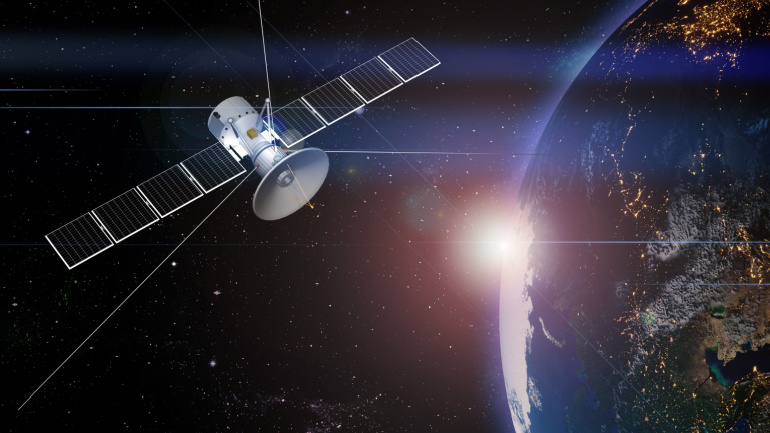
The Global Satellite Operators Association (GSOA) is enforcing a behavior code for satellite operators, addressing the pressing issue of space debris caused by escalating satellite broadband services. The industry aims to advance its responsibility through shared best practices to preserve space access. This action, however, fuels debate over unendorsed practices, potential impacts on astronomy, and the proposed spectrum restraint at the upcoming World Radiocommunication Conference.
Italian telecom provider Wind Tre faces hurdles in selling infrastructure due to complex 5G network sharing negotiations with rivals Iliad and Fastweb. CK Hutchison delays the deal closure by three months to February 12, citing challenges with Iliad and Fastweb. Meanwhile, Indosat Ooredoo Hutchison’s $6 billion merger in Indonesia with Huawei’s support achieves significant growth. France’s Orange introduces satellite broadband, while Norway’s Telenor sells its satellite operations. FCC’s new broadband rules target discrimination, raising concerns of unintended consequences. Mavenir and Nokia achieve remarkable Open RAN interoperability, overcoming past criticisms and showcasing commitment to multi-supplier systems.
UK’s communication authority, Ofcom, makes strategic updates to its net neutrality rules ensuring egalitarian treatment of internet traffic. Embracing increased clarity and efficient network design, these changes invite innovation. Yet, it also initiates debates on fair pricing, innovation, and ISP autonomy versus user control.
SpaceX’s Starlink is paving the way for direct-to-mobile services, thanks to a progressive partnership with T-Mobile. Going beyond termianls, the ambitious endeavor could allow unmodified smartphones to directly connect with satellites. Beginning with text messaging in 2024, comprehensive voice and data services are slated to follow in 2025. However, AT&T and the Rural Wireless Association express concerns about possible interference with commercial networks, prompting fierce debate over the fine lines of regulatory procedures.
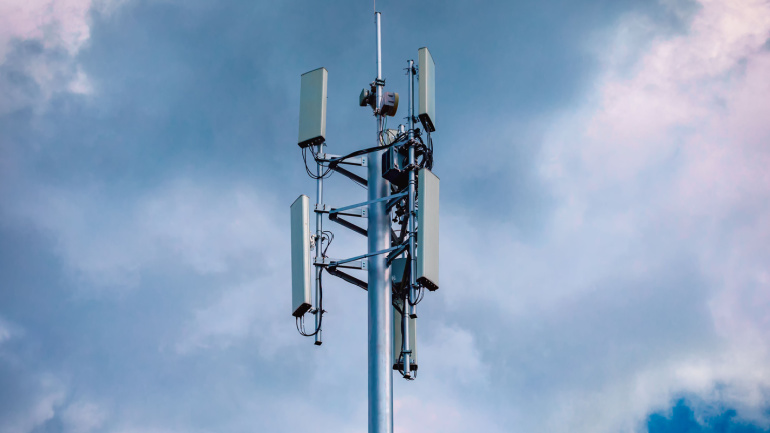
Leading the way in private network establishment, the U.S. capitalizes on unique advantages from Citizens Broadband Radio Service (CBRS) and its innovative three-tiered spectrum approach. This nonpareil blueprint fosters efficient allocation of limited spectrum resources, empowering the expansion of private 5G networks. Riding this wave, companies like Quanta Cloud Technology and Intel synergize to create future-focused solutions, navigating challenges and setting the stage for 5G’s transformative potential.
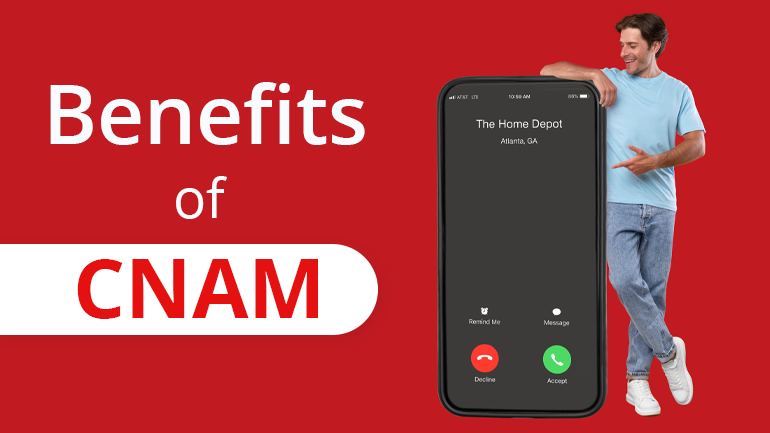
CNAM, or Caller Name Delivery, goes beyond Caller ID by revealing the caller’s name associated with their phone number. It enhances call identification, trustworthiness, and streamlines communication. Users can quickly recognize callers and identify potential spam calls, making it invaluable in various communication platforms. Check with your service provider to embrace CNAM’s power.
Nvidia aims to convince telecoms to use its GPUs in 5G networks, citing NTT Docomo’s recent GPU-accelerated 5G launch in Japan. Yet, the role of Nvidia’s GPUs in telecom remains unclear. Meanwhile, the FCC breaks a two-year deadlock, reigniting net neutrality debates. Telefonica Germany partners with Skylo for global IoT connectivity, expanding options for businesses and consumers. Nokia explores rugged 5G devices for harsh environments, catering to specialized industries with challenging conditions.