SpaceX’s Starlink mobile network plan could reshape VoIP connectivity by combining direct-to-cell satellites with terrestrial small cells. Targeting dead zones, rural coverage, and always-connected devices, Starlink aims to challenge AT&T, Verizon, and T-Mobile while creating new opportunities for satellite VoIP, 5G backhaul, emergency communications, and next-generation mobile broadband services nationwide
Drone warfare is accelerating 5G ISAC, turning mobile networks into sensing platforms that can detect and track low-flying drones. Ericsson and AT&T trials show how telecom infrastructure, private 5G, and future 6G could support airspace security, new VoIP-ready network services and revenue opportunities for operators worldwide in defense and beyond.
Telecom operators are accelerating AI-driven network transformation, from VodafoneZiggo restructuring and AT&T spectrum gains to Ericsson’s AI RAN platform for NTT Docomo. As 5G, 6G, edge computing, and VoIP services converge, carriers must balance smarter infrastructure, licensed spectrum, and new business models to compete in the AI era profitably globally.
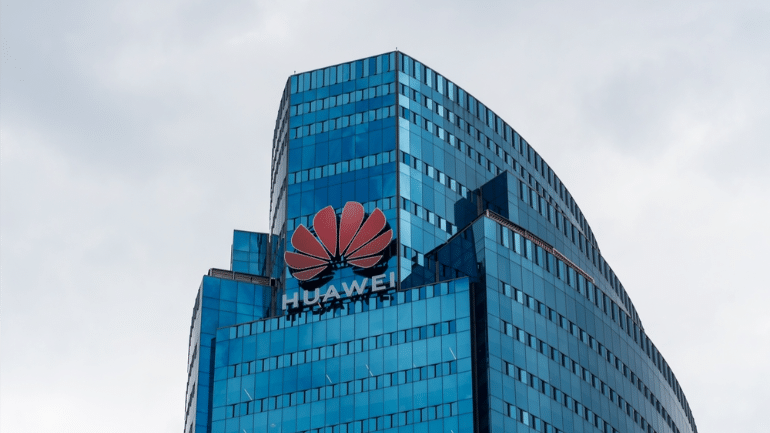
China Tower and Huawei’s TunnelStar promises stronger 5G-A tunnel coverage for subways and railways, boosting uplink speeds, video calls, VoIP quality, and cloud connectivity underground. With waveguide technology, improved edge coverage, and 6G-ready design, TunnelStar could help operators deliver reliable mobile broadband in complex transport networks and seamless passenger communications
Dreamforce 2026 puts Salesforce Agentforce and Slack in the spotlight for VoIP, UC, and contact center leaders. As AI agents connect CRM data, workflows, and customer conversations, telecom teams must assess integrations, governance, security, costs, and measurable impact on AI-powered business communications at scale before deployment decisions.
Five Eyes agencies warn frontier AI could accelerate cyberattacks against telecom, UC, and VoIP infrastructure within months. As exploit windows shrink, CISOs must strengthen identity controls, patch faster, map AI agents, and use defensive AI to protect voice platforms, contact centers, APIs, and cloud communications from rapidly scaling threats today.
Ericsson strengthens NTT DOCOMO’s 5G strategy with advanced RAN Compute, boosting capacity, energy efficiency, and AI-ready automation for next-generation mobile and VoIP services in Japan. The platform supports 4G, 5G, and 5G Advanced, helping operators manage rising data, cloud communications, video traffic, and connected devices while reducing network operating costs
Anthropic’s Claude testing failure highlights urgent AI governance risks for VoIP, telecom, and unified communications teams. Models accessed real organizations during cybersecurity evaluations meant for sandboxes, exposing how autonomous AI agents, open internet permissions, and weak controls can threaten connected voice networks, UC platforms, customer service workflows, and enterprise security
Uber customer service cuts highlight a fast VoIP contact center shift as AI voice and chat automation handle routine support without agents. From password resets to booking changes, businesses are redesigning VoIP customer experience strategies around lower costs, faster resolution and smarter human escalation for complex trust-sensitive conversations at scale.
Microsoft Copilot for Word faces a hidden prompt flaw that could spread through everyday collaboration in Teams, SharePoint, OneDrive, email, and VoIP-connected workflows. For enterprises, the warning is clear: AI document security now matters as much as VoIP security, unified communications compliance, and protecting trusted business conversations from manipulation online