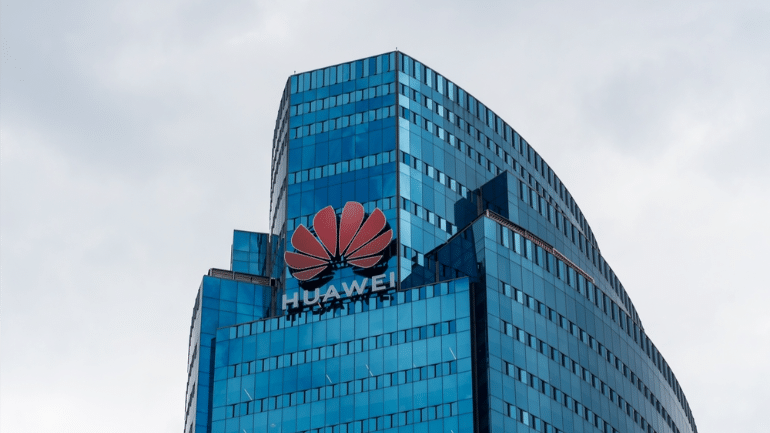
Huawei and Qualcomm have signed a multi-year patent licensing agreement. The deal covers 5G, AI, computing, networking, and other core technology areas.
The agreement also includes a separate patent purchase by Qualcomm. The company will buy selected Huawei US patents linked to compute, AI, and networking. Both companies will also access each other’s patent portfolios across several technology fields.
However, the transaction still needs regulatory approval before completion. That process may take time, especially given the scale involved. Patent deals between major technology companies often attract careful review.
The agreement carries weight for the global mobile industry. Huawei and Qualcomm both hold large portfolios of standard-essential patents. These patents support widely used technologies in mobile networks and devices.
In simple terms, standard-essential patents protect technologies required by industry standards. Device makers and network suppliers usually need licences to use them. Fair licensing helps companies build compatible products without constant legal disputes.
Both companies said the deal reflects respect for intellectual property rights. They also pointed to fair, reasonable and non-discriminatory licensing practices. The industry often refers to these rules as FRAND.
For operators, vendors, and device makers, such agreements can reduce uncertainty. They may also support faster development of future network products. At the same time, large patent portfolios can influence market power and costs.
Huawei Chief Intellectual Property Officer, Alan Fan said: “Huawei’s decades of sustained investment in fundamental R&D have driven innovation and progress in mobile communications and other technology fields.
“Huawei’s broad contributions to the 4G/5G standards, such as the near-physical-limit signal transmission technology using polar codes, have established Huawei’s leadership in the mobile communications industry, and continuously transformed the way people communicate and live.”
He added: “This agreement not only demonstrates the value of Huawei’s innovations, but also recognises Qualcomm’s foundational contributions to modern communication technologies.”
Qualcomm Technology Licensing Executive Vice President and General Manager, John Han, said: “Qualcomm has invested in foundational wireless technologies that have enabled successive generations of mobile innovation and earned broad recognition across the global wireless industry. This agreement reaffirms industry recognition of Qualcomm’s 5G technology leadership and the success of Qualcomm’s 5G SEP licensing program.
“This agreement likewise reflects Qualcomm’s recognition of Huawei’s continued innovation and intellectual property in 5G and other technology fields.”
The timing also matters. Telecoms companies are investing in smarter networks, cloud platforms, and edge services. AI now connects closely with network automation and device performance.
This deal may help both companies protect value from past research. It may also clear paths for future cooperation through licensing. Yet the final impact depends on regulators and commercial execution.
For the wider telecoms sector, the message remains clear. Patents now shape competition as much as radio hardware. Innovation increasingly depends on agreements that balance reward, access, and scale.