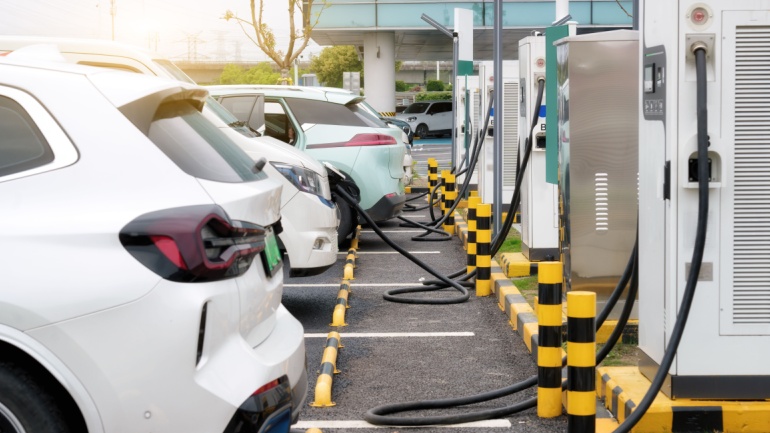
Virgin Media O2 has cut Scope 1 and 2 emissions by 56 percent since 2020 and expanded its electric vehicle fleet. Progress includes major energy savings, renewable electricity use, and reductions in packaging waste, all part of its push toward net zero emissions.

The U.S. Department of Energy has identified 16 federal sites for future AI data centers, leveraging existing power infrastructure. This initiative, aiming for completion by 2027, supports a federal strategy to bolster AI capabilities. Proposed locations include national labs and decommissioned nuclear sites.
Vodafone and SP Energy Networks have partnered to modernize telecoms infrastructure across Scotland’s power grid, upgrading connectivity at 19,500 substations. The project aims to boost grid reliability, speed up fault response, and support renewable energy integration—delivering a smarter, more resilient electricity network.
Hyundai’s $7.6B Metaplant in Georgia marks a leap in U.S. industrial innovation. As one of North America’s most advanced smart factories, it blends AI, robotics, and 5G to produce 500,000 electric and hybrid vehicles annually—creating 8,500 jobs by 2031 and strengthening Hyundai’s $41.5B commitment to U.S. manufacturing.
Amazon’s Project Kuiper is on the cusp of launching its first major batch of satellites, marking a significant step toward global satellite broadband. Scheduled for April 9th, the KA-01 mission will deploy 27 satellites, advancing Amazon’s venture into offering low-latency internet worldwide.
Honeywell, a major US industrial conglomerate, plans to split into three independent companies to enhance focus and agility. This reconfiguration will potentially elevate Honeywell’s market position, mirroring GE’s previous division.
Google’s investment of $75 billion in AI infrastructure promises to revolutionize the landscape by 2025. CEO Sundar Pichai emphasizes their approach, leveraging global cloud infrastructure to optimize computing power.
Indosat partners with Xanh SM to revolutionize Indonesia’s electric vehicle sector. By integrating IoT and analytics into Xanh SM’s fleet, Indosat enhances taxi operation and customer experience.
BT has halted its pilot to transform street cabinets into EV charging stations after a promising start in East Lothian, Scotland. Financial challenges, including rising costs and profit declines, are speculated as reasons.
BT Group has placed the UK’s largest EV order, adding 3,500 electric vehicles to its fleet of over 27,000. Aiming for 8,000 EVs by 2026, this move aligns with its net-zero goal by 2031.