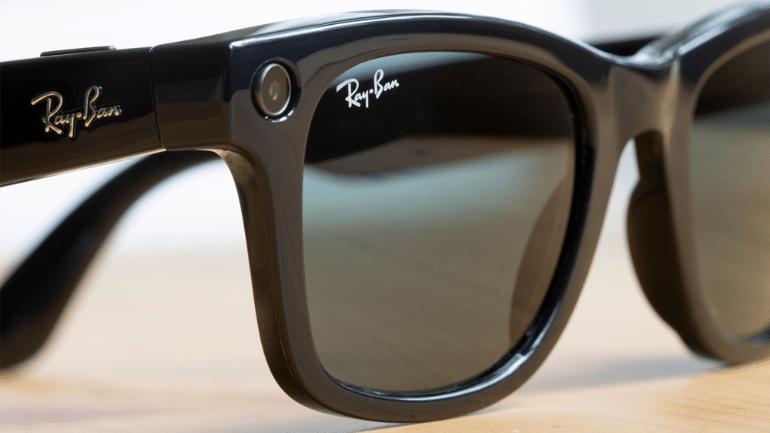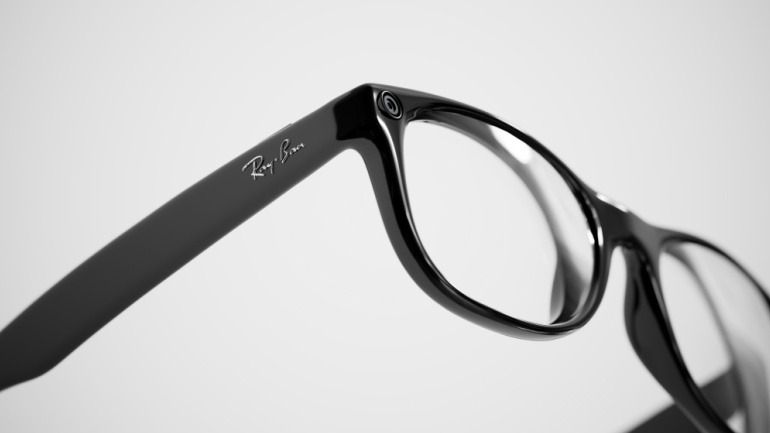
Meta has introduced $299 smart glasses for mainstream wearable AI adoption. The launch brings Meta-branded eyewear into a market it already helped shape. Until now, the company leaned on partner brands for consumer appeal. Its existing range includes Ray-Ban and Oakley models developed with EssilorLuxottica.
This time, Meta wants stronger ownership of the user experience. The new line starts below the latest Ray-Ban smart glasses. That price difference could matter for mass-market buyers and workplace pilots.
According to Meta CTO Andrew Bosworth, price plays a central role in adoption.
“You really want to be able to be in many places in the market, so reaching people isn’t just about design and style, it’s also about the price point.”
The collection arrives in three frame styles. Adventurer offers a smaller frame. Fury uses a larger rounded design. Meta Glasses by Kylie Jenner adds celebrity branding and custom styling.
More importantly, the devices introduce Muse Spark. This is Meta’s first AI model built for wearable hardware. It aims to understand visual context and remember user preferences.
For telecom and IT teams, that direction matters. Smart glasses could become another connected endpoint. They may support field service, remote support, translation, and hands-free communication.
The glasses include familiar functions from earlier models. Users can take photos, record video, play music, and speak with Meta AI. They can also ask questions about nearby objects or places.
However, Meta avoids full augmented reality overlays in this product. The glasses do not project constant digital content into the user’s view. Instead, they focus on lightweight, everyday assistance.
That design may help users feel less burdened by the device. It also reduces complexity for battery life and comfort. Still, some enterprise users may want richer AR features.
Competition is also growing quickly. Snap recently showed developer-focused AR glasses. Google is working with Samsung on AI smart glasses. OpenAI may also enter hardware after buying io.
Yet device distribution alone will not decide the category. Users already rely on ChatGPT and Google’s Gemini for AI assistance. Meta must prove its wearable AI feels useful every day.
Privacy remains the hardest issue. Wearable cameras can record public spaces with little friction. Meta says its glasses show an LED light during recording.
That indicator gives bystanders a visible warning. Even so, misuse remains possible in crowded offices or public locations. Regulators will likely watch this market closely.
For now, Meta’s $299 price changes the conversation. It makes AI glasses more accessible to consumers and business testers. If the experience delivers real value, wearables could move beyond novelty.