SK Telecom, in collaboration with Intel, has made a groundbreaking advancement in core network technology, promising a significant reduction in communication delays and an enhancement in service efficiency, pivotal for the upcoming 6G networks. The innovation could slash communication latency by as much as 70% and boost service efficiency by approximately 33%, marking a significant leap forward in network performance.

Telecommunications giant Kirin partners with Chinese auto manufacturer Dongfeng, aiming to innovate in ‘new energy’ automobiles. The deal looks to infuse Huawei tech into Dongfeng’s vehicles, sparking curiosity around specifics and outcomes. Voyah, the brand at the center of the deal, ambitiously plans to double their output, leveraging China’s vigorously blooming EV market.
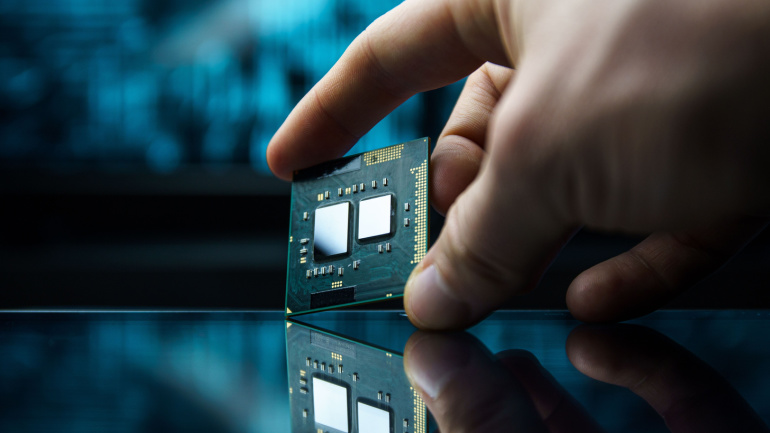
In a strategic move, Intel has partnered with private equity firm DigitalBridge to introduce Articul8, a new company set to bring enterprise-grade generative AI technology to the market. Articul8 aims to provide corporate customers with a secure and vertically-optimized genAI software platform, designed to run seamlessly on Intel hardware, including Xeon processors and Gaudi AI accelerators.
In a groundbreaking shift, artificial intelligence (AI) is revolutionizing material discovery, unlocking new possibilities in renewable energy, semiconductors, and pharmaceuticals. GlobalData, a prominent data and analytics firm, asserts that AI is spearheading a transformative era in research and development, dismantling traditional barriers and fueling unprecedented advancements in material science.
Intelisys, a ScanSource company specializing in technology services and solutions, proudly announced its recognition as the 2023 United States and Canada Technology Services Distributor (TSD) Partner of the Year by Zoom Video Communications, Inc. This prestigious accolade was unveiled during the Zoomtopia Partner Connect event.
In a testament to the synergy of shared innovation, Huawei and Sharp enter an intellectual property cross-licensing agreement. Such alliances underline the value of IP rights while enabling competitive market offerings. However, details like the deal’s duration and financial aspects remain undisclosed – a recurrent practice in the telecom sector.
Samsung enters the mobile AI game with Galaxy AI, its latest invention aimed to revolutionize smartphone experiences. Powered by Samsung-developed on-device AI and a cloud-based system, it incorporates remarkable features like real-time audio and text translation during phone calls. Alongside this, Samsung excites with Samsung Gauss, dedicated to streamlining diverse tasks from coding assistance to content translation – a move promising profound impacts on our technology interactions.
Nvidia, the graphics processing unit heavyweight, plans to enter Intel’s domain with ARM-based chips tailor-made for Windows PCs, according to insiders. AMD, another significant player in this space, is also reportedly considering ARM technology. This move, potentially hitting the market by 2025, has been stimulated by Microsoft’s interest in duplicating the efficiency of Apple’s ARM-use in AI processing. Yet, Nvidia’s past attempt to acquire ARM was thwarted by regulators, putting the company’s motives under scrutiny as the PC CPU sector braces for potential disruption.
Colt Technology Services’ Annual Digital Infrastructure report reveals growing business prospects for partners, especially in AI-compatible tech like 5G, agile connectivity, and edge. Amid global uncertainty, there’s a solid market for partners providing consumption-based networks. However, tensions exist between IT chiefs and partners over integration and lack of APIs. This study highlights the evolving role of partners, suggesting this could be an opportune moment to overcome challenges and embrace the digital revolution progress.
Huawei recently unveiled the groundbreaking Xinghe Network large model at the prestigious HUAWEI CONNECT 2023 event. An industry first, it paves the way for advanced network digitalization and enhanced industry intelligence. Harnessing the power of large-scale data and expert knowledge, this model heralds a new era in telecommunications, introducing exceptional features like multi-dimensional awareness, predictive capabilities, and optimized decision-making assistance. Its comprehensive advantages notably include proactive anomaly detection, enhanced application experience and proactive network security strategies.