975 Results

intel

Search

Imagine assembling an intricate Lego structure – that’s precisely what building next-gen telecommunication networks feels like. Networks giant Cambium offers unique ‘Lego-like’ solutions that breathe life into the creative architectures planned by Internet Service Providers (ISPs). A spectrum of technologies encompassed by Cambium’s ONE Network – ranging from outdoor Wi-Fi access points to top-tier security – weaves a seamless tapestry from edge to cloud. But, it’s not all about gear and wires. Cambium’s technology is a fusion of robust security, user-friendliness, and high-grade end-user experience.

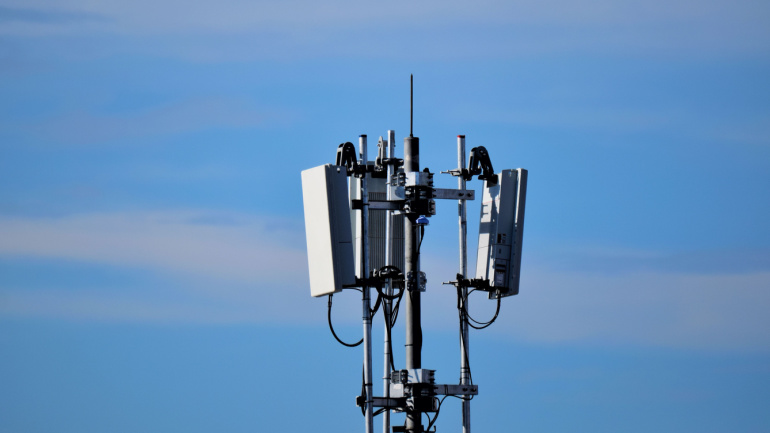
In an impressive advancement for 5G technology, Verizon has secured a $45.5 billion C-band spectrum, overcoming hurdles posed by satellite operators once occupying parts of this range. As operators transitioned off the C-band, motivated by the FCC’s lucrative rewards, Verizon confirms the completion of this process. This newfound access paves the path for an expansion that could amplify the bandwidth for 5G users nationally, providing a minimum of 140MHz of spectrum throughout the US, with full 200MHz access in a portion of markets.

In a first for the region, Ericsson and Australian operator TPG are creating a cloud-native AI-powered analytics tool, designed specifically to streamline 4G and 5G networks. With the power to predict and fix performance issues in real-time, this tool aims to enhance response times to network issues and reduce reliance on complex infrastructure analysis. Showcasing TPG as an early adopter, this technology also enhances network flexibility as usage increases, allowing for tracking of around five million subscribers.

In an unprecedented move, China has taken decisive action against personal data breaches, closing a staggering number of cases while also unveiling draft laws to regulate facial recognition technology. Over the past three years, Chinese law enforcement has effectively shut down 36,000 instances of personal data violations, leading to the detention of 64,000 suspects, as per the Ministry of Public Security. These efforts are part of a broader initiative launched in 2020 to govern online activities, resulting in the seizure of more than 30 million SIM cards and 300 million “illegal” internet accounts.

Five9, the renowned provider of the Intelligent CX Platform, has unveiled its plans to acquire Aceyus, a prominent player in advanced data integration and analytics. The announcement comes as Five9 continues to bolster its capabilities and expand its market presence in the realm of customer experience solutions. Aceyus is recognized for its comprehensive suite of pre-built integrations, which enable the aggregation of data from various sources.

The Q2 global market growth for cloud infrastructure services showed a flourishing trend, although at a slightly reduced rate from Q1. The noteworthy strides are largely linked to evolving spending habits, with AI expected to power considerable growth soon. Amazon and Microsoft demonstrate this shift, announcing AI-focused programs in response to the rising demand. Nevertheless, mastering AI implementation comes via strategic partnerships, open to those willing to forward AI applications.

The Biden Administration’s ambitious $2 trillion infrastructure plan injects considerable capital into US chip production, with the aim of bolstering national security and reducing reliance on foreign manufacturers. Last year, the US produced only 12% of the world’s chips, highlighting a dependency on international manufacturers, primarily in Asia. Intel emerges as a key beneficiary of this investment, declaring over $43.5 billion towards manufacturing units across the US. Yet, for some companies, the journey remains fraught with caution as they await the federal funding.

Amid declining telco capital expenditures impacting vendor profits, private cellular networking shines as a beacon of hope. Recent research reveals a significant 60% YoY increase in Q2 revenues for private cellular networking equipment, offering new revenue streams for industry giants like Ericsson and Nokia. However, with greater benefits come complex challenges that, if overcome, could potentially catapult the market worth to a substantial $7.7 billion by 2027.