1321 Results

mobile services

Search

Rakuten Symphony and VIVA Bolivia are advancing cloud-native network modernisation with Open RAN, OSS, AI-driven operations and digital platforms. The partnership could accelerate VoIP services, mobile innovation, customer experience and flexible telecom growth, positioning Bolivia as a key market for next-generation communications and software-based operator transformation across Latin America today

Global RAN spending is shifting beyond China as operators accelerate 5G upgrades, capacity expansion, and modernization. Strong growth across emerging markets creates new opportunities for carriers, vendors, fixed wireless, enterprise connectivity, and VoIP services. Omdia’s latest data highlights regional momentum, vendor competition, and the evolving business case for mobile networks.

Openreach is accelerating UK Full Fibre with XGS-PON upgrades, targeting broadband speeds up to 8.5Gbps. The rollout boosts capacity for homes, businesses, VoIP services, video meetings, cloud communications, and remote work. As demand surges, faster fibre access could improve reliability, reduce bottlenecks, and power next-generation digital connectivity nationwide across Britain

Deutsche Telekom is strengthening Poland’s VoIP and broadband future with its €1 billion Fiberhost and Inea acquisition. The deal expands T-Mobile Polska’s FTTH network, boosts converged telecom services, and supports high-speed fibre connectivity for homes and businesses seeking reliable internet, cloud communications, and next-generation VoIP solutions across Poland’s digital economy

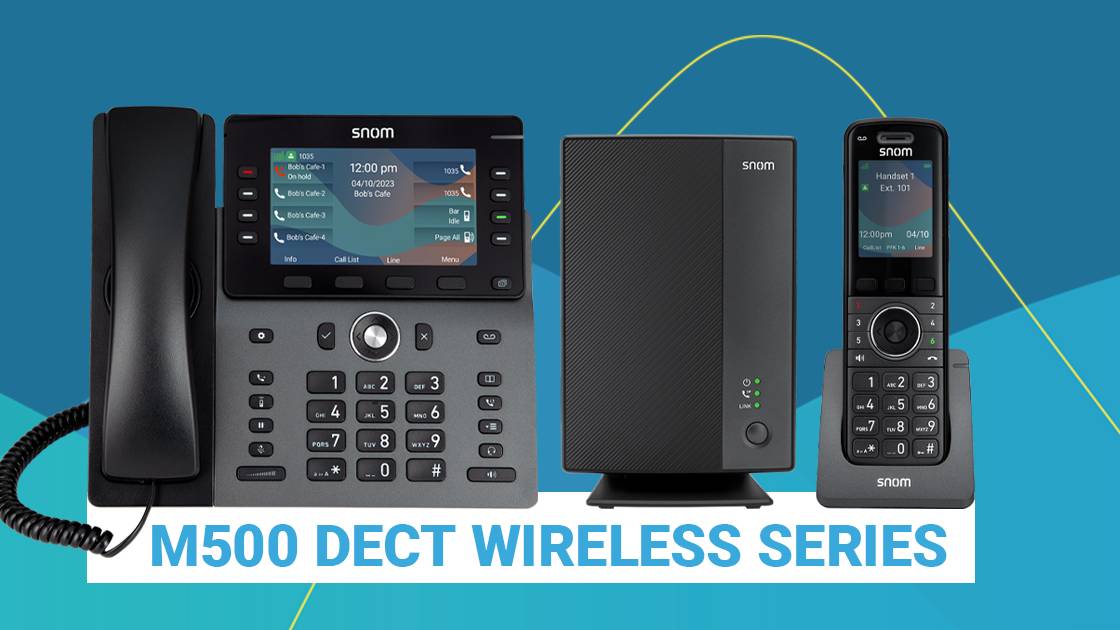
Telinta, a global leader in cloud-based VoIP switching and billing solutions, and Snom, a leader in communication technology, today announced a solution for automated provisioning of Snom M500 phones using Telinta’s softswitch platform. Telinta has developed Auto-Provisioning Profiles for the Snom M500 Pro DECT Multicell Base Station, the Snom M55 SIP DECT Handset, and the Snom M58 SIP DECT Deskset. The Snom M500 DECT Multicell Base Station, together with the M55 SIP DECT Handset and M58 SIP DECT Deskset, delivers a scalable, enterprise-grade wireless communications solution for businesses of all sizes. Designed for simple deployment and centralized management, the M500 family provides reliable mobility, exceptional HD voice quality, and secure SIP-based communications, making it an ideal solution for service providers delivering hosted voice and UC services. This cloud-based provisioning enables Internet Telephony Service Providers (ITSPs) worldwide to streamline and automate deployments of Snom phones via Telinta’s cloud-based softswitch platform.  Telinta’s solution is…

Deutsche Telekom is accelerating AI infrastructure, sovereign cloud, and fiber rollout to strengthen Europe’s secure digital backbone. For VoIP providers and enterprise communications teams, faster fiber, trusted cloud, and network modernization promise better voice quality, lower latency, and scalable unified communications, despite broadband churn and competitive pressure in key markets.

Telefónica is bringing AI-powered call transcription, summaries, and virtual agents to fixed and mobile business voice services, signaling a major VoIP evolution. With faster response times, smarter call handling, and improved agent efficiency, the launch shows how telecom operators are turning everyday voice traffic into valuable actionable business intelligence insights.

ARABSAT and LTT are expanding satellite connectivity across Libya, strengthening telecom infrastructure for government, enterprises, operators, and critical sectors. With Arabsat-6A HTS capacity, the partnership supports reliable VoIP services, resilient backhaul, remote communications, and digital transformation where fibre and mobile coverage remain limited, improving nationwide network performance and business continuity

Hispasat’s €1.6bn IRIS² ground segment role could reshape secure satellite communications for VoIP providers, enterprises, and governments. With 342 satellites planned, Europe targets low-latency backup connectivity, direct-to-device services, and stronger digital sovereignty, giving telecom operators new options for resilient VoIP coverage beyond fibre, mobile networks, and remote infrastructure by 2030.