The UK government has awarded £13 million to 16 satellite communications projects. The move targets rural broadband, smarter farming, and advanced space networks.
The funding comes through the UK Space Agency. It supports the wider push to strengthen Britain’s satellite industry. The government says the UK space sector attracted £2.2 billion in investment and revenue between 2024 and 2025.
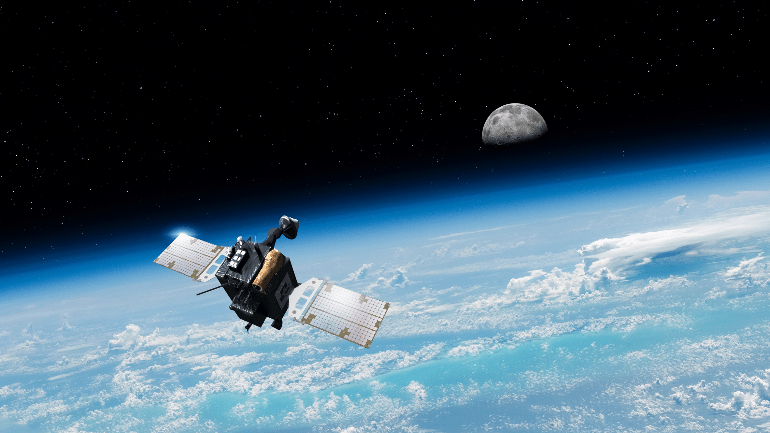
Interest in Low Earth Orbit satellites continues to rise. These satellites fly closer to Earth than older systems. That can reduce delay and improve service quality. Direct-to-device satellite services also attract strong market attention.
However, the programme does more than support future space technology. Several projects focus on everyday connectivity challenges. These include weak rail broadband and poor farm coverage.
The largest award goes to STARS, a project from Exobotics. It receives £2.1 million. The team will develop optical communications for faster satellite data transfer. Optical links use light to move data at high speed.
Meanwhile, Project Optimus receives £1.845 million. It will test laser links between satellites and ground stations. The system aims to move data at more than 100 Gbps.
Airbus also receives £1.5 million for its Theia project. The work focuses on processors that operators can reprogram in orbit. This could extend satellite life and improve service flexibility.
Another major award goes to QUAKES from Orbital Astronautics. The project receives £1.71 million. It will create a compact ground station for multiple satellite connections.
Beyond the headline research, some projects offer clearer public value. CGI receives £428,000 for SODOR. The project will install satellite equipment on a ScotRail train. The trial will run on the remote West Highland Line.
This could improve broadband for passengers in hard-to-reach areas. It may also show how satellites can support transport networks. Yet performance will depend on coverage, equipment, and operating costs.
Agriculture also features in the funding round. Farmer Charlie receives £199,000 for satellite-linked farming sensors. These devices can support growers where mobile or fixed networks remain weak.
“By combining affordable sensors with satellite connectivity, we are making it easier for growers to make informed decisions, improve productivity and farm more sustainably anywhere in the UK,” said Betty Bonnardel MBE, CEO of Farmer Charlie.
All 16 projects will run through European Space Agency’s ARTES programme. The scheme supports telecoms research and commercial satellite development.
The funding should help British firms test ideas faster. It also supports skilled jobs and regional innovation. Still, £13 million remains a limited sum for national connectivity goals.
“This investment shows how innovations in the UK’s satellite sector can improve lives, with better connectivity delivering internet access for more train journeys, and smarter farming,” said Space Minister Liz Lloyd. “By backing brilliant British companies, we are not only furthering our status as one of the world’s leading space powers, but creating high-quality jobs and new opportunities across the UK.”
Satellites now play a growing role in telecoms resilience. They can complement fibre, mobile, and private networks. For rural areas, they may close gaps that ground networks cannot reach alone.