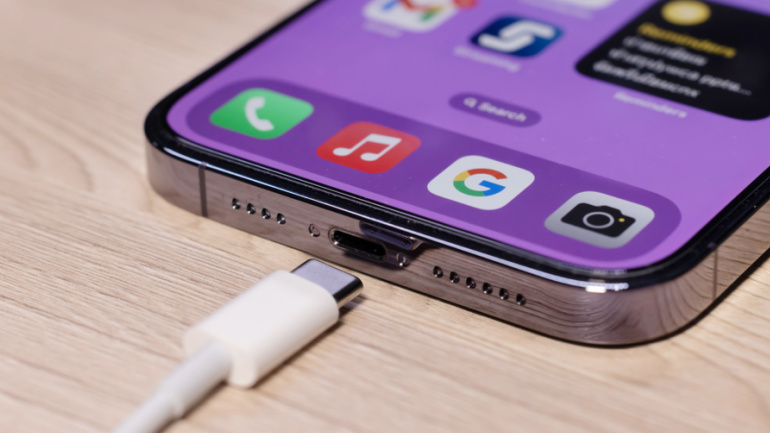
Apple’s recent unveiling of four new iPhone models, with prices starting from £799, highlights the company’s steady stream of innovation. This release has also stirred debate among smartphone enthusiasts questioning the extent of the innovations, especially considering the premium pricing. Despite predicted criticism, Apple maintains its market dominance by committing to incremental upgrades, asserting a commitment to environmental responsibility, and boasting durable, low-bug products.
Deutsche Telekom has made a significant stride in mobile telecommunications, achieving 12 gigabits per second in field tests using 6GHz frequencies – quite a leap from the current 5G network speeds. The German telecom giant credits this achievement to merging two data streams from different frequency antennas, a method they suggest may become standard for these bands. However, before this breakthrough can materialize, it’ll go under scrutiny during the upcoming ITU World Radiocommunications Conference.
BYOD VoIP, or “Bring Your Own Device Voice over Internet Protocol,” lets employees use personal devices like smartphones, tablets, or laptops for business calls through VoIP. This approach enhances flexibility, productivity, and cost savings, but it also poses challenges like security risks, device compatibility, and privacy concerns. Implementing BYOD VoIP effectively requires clear policies, network readiness, robust security measures, and employee training.
Google Chrome’s desktop version is set for a Material You design update. Apple hints at traditional smart glasses development through a recent patent, complementing their Vision Pro headset. Verizon introduces a versatile Mobile Onsite Network-as-a-Service for enterprises, offering private networks, edge compute, SD-Wan, and satellite connectivity. Meanwhile, Google unveils its Pixel 8 series and teases the Pixel Watch 2 ahead of an October 4th launch event.
VMO2, a leading UK telecom company, is saying goodbye to 3G services by 2025, focusing on the advancement of 4G and 5G capacities. Though this marks the end of an era, it opens doors for superior technology and remarkable energy efficiencies. What does this imply for consumers and the future of mobile connectivity? Let’s explore.
Amazon’s Project Kuiper and Vodafone join forces to bolster 4G and 5G availability in Europe and Africa using cost-effective low Earth orbit (LEO) satellites. This partnership aims to connect distant cellular antennas to core networks, enabling telecom services without relying on intricate fibre-based systems. With a larger goal of bridging the digital divide, the collaboration also plans to offer backup services for disruptions and connect distant infrastructure.
In a collaboration with Bloomberg, Canadian company TechInsights racks the Huawei Mate 60 Pro under scrutiny, examining whether the covertly launched flagship phone can surpass the considerable limitations imposed on it by the US government.
In a recent announcement, Verizon is set to launch its latest cellphone plan, the Unlimited Ultimate, priced at $90 per month. This development follows the earlier introduction of Verizon’s myPlan lineup. The Unlimited Ultimate plan boasts an array of enhanced features, making it a compelling choice for consumers.
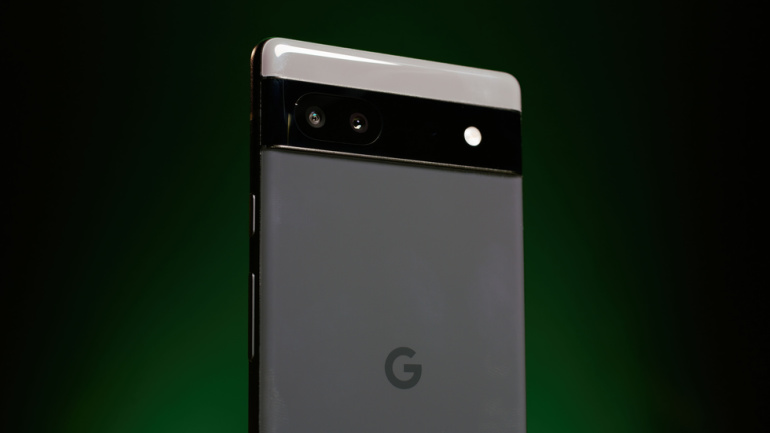
In a bid to keep pace with the recent barrage of tech revelations from its contemporaries, Google has slated October 4th for the grand debut of its latest Pixel phones and the eagerly anticipated Pixel Watch. In a communiqué dispatched to media representatives today, the corporation revealed that the upcoming Made by Google event, synonymous with its in-house hardware premieres, is scheduled for New York City, with the keynote kickoff pegged at 10:00 a.m. Eastern Time.
Reports indicate covert Huawei involvement in the establishment of chip plants to bypass US export controls. These allegations stem from Huawei’s shift to predominantly Chinese suppliers due to trade restrictions, despite their struggle to match the performance of manufacturers like TSMC and Samsung. Amidst ongoing US-China tensions, this move could potentially provoke a stronger stance from the US against sanction violators, reshaping the telecommunications landscape.