VMO2, a leading UK telecom company, is saying goodbye to 3G services by 2025, focusing on the advancement of 4G and 5G capacities. Though this marks the end of an era, it opens doors for superior technology and remarkable energy efficiencies. What does this imply for consumers and the future of mobile connectivity? Let’s explore.

Amazon’s Project Kuiper and Vodafone join forces to bolster 4G and 5G availability in Europe and Africa using cost-effective low Earth orbit (LEO) satellites. This partnership aims to connect distant cellular antennas to core networks, enabling telecom services without relying on intricate fibre-based systems. With a larger goal of bridging the digital divide, the collaboration also plans to offer backup services for disruptions and connect distant infrastructure.
In a collaboration with Bloomberg, Canadian company TechInsights racks the Huawei Mate 60 Pro under scrutiny, examining whether the covertly launched flagship phone can surpass the considerable limitations imposed on it by the US government.
In a recent announcement, Verizon is set to launch its latest cellphone plan, the Unlimited Ultimate, priced at $90 per month. This development follows the earlier introduction of Verizon’s myPlan lineup. The Unlimited Ultimate plan boasts an array of enhanced features, making it a compelling choice for consumers.
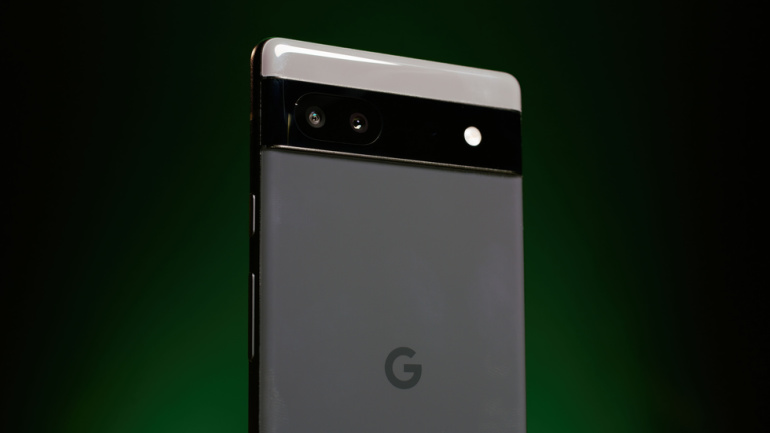
In a bid to keep pace with the recent barrage of tech revelations from its contemporaries, Google has slated October 4th for the grand debut of its latest Pixel phones and the eagerly anticipated Pixel Watch. In a communiqué dispatched to media representatives today, the corporation revealed that the upcoming Made by Google event, synonymous with its in-house hardware premieres, is scheduled for New York City, with the keynote kickoff pegged at 10:00 a.m. Eastern Time.
Reports indicate covert Huawei involvement in the establishment of chip plants to bypass US export controls. These allegations stem from Huawei’s shift to predominantly Chinese suppliers due to trade restrictions, despite their struggle to match the performance of manufacturers like TSMC and Samsung. Amidst ongoing US-China tensions, this move could potentially provoke a stronger stance from the US against sanction violators, reshaping the telecommunications landscape.
In the short span since 5G’s inception, one of its most successful applications surprisingly isn’t smartphones, but Fixed Wireless Access (FWA) enhancing home broadband services. Currently dominating 90% of new US broadband subscriptions, this trend sparks intriguing implications. Yet, fiber broadband’s speed and dependability present a formidable challenge, set to increasingly permeate the market aided by ample public funding. Meanwhile, FWA’s flexible and user-friendly nature makes it a robust contender, particularly in areas where fiber is not feasible.
Nokia, TPG and Mediatek are collaborating to showcase the power of carrier aggregation technology in live-streaming 360-degree broadcasts, a key element for future metaverse applications. The demonstration at Nokia’s 5G Futures Lab used multiple sub-6 GHz frequency bands to maximize 5G uplink speeds, enabling real-time transmission of high-quality video. The technology could revolutionize the viewing experience for TV, movies, sports and industrial metaverse scenarios such as remote-controlled robots performing hazardous tasks.
Vodafone UK launches an industry-first initiative offering customers battery replacements for three years and continued coverage for manufacturing defects. This ‘lifetime service promise’ extends to both new and refurbished handsets, provided an active Vodafone Pay Monthly Airtime Plan is in place. Innovatively eliminating inconvenience, a battery diagnostic tool within the Vodafone app allows customers to easily confirm if their device requires a battery replacement.
Verizon and YouTube team up to offer NFL Sunday Ticket, Cisco and Qwilt enhance content delivery in Italy, Verizon and AT&T notify customers of new fees, Google rolls out safety feature for detecting Bluetooth trackers on Android devices, and worldwide smartphone market sees a 10% decline in Q2 2023.