New technologies, especially in wireless communications, is helping increase VoIP services. As smartphones, laptops and tablets are being more available worldwide, VoIP services are also growing and the competition between different providers is leading to a constant update in their offers. The BYOD (Bring Your Own Device) policy that is spreading in companies is another key factor in this demand on VoIP. Devices like phablets (a mix between smartphones and tablets like the Galaxy S9+) are replacing computers on many aspects. The PMR (Persistence Market Research) expect the market to grow up to US$ 194.5 Billion in the next seven years. Most of this increase will be from long distance VoIP calls that could represent US$ 120 Billion in revenue.

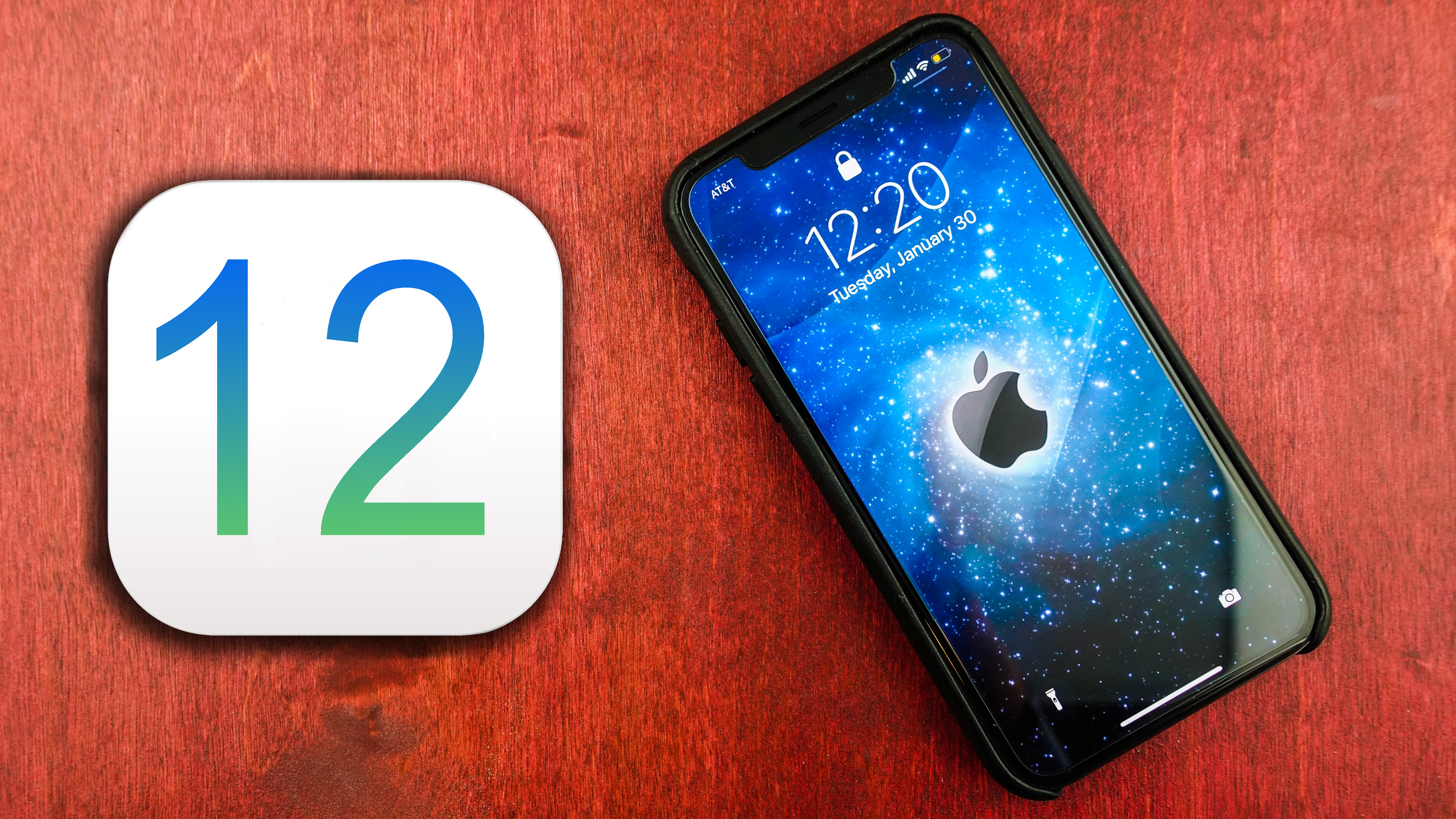
Apple might be looking to save you from yourself with its new version of iOS, that any users will be able to get in septembre 2018, if they have an iPhone 5S or above. Since its beginning in 2006, iOS was more focused on keeping you hooked to your device that pushing you to keep it away from you. During Apple’s WWDC 2018 that took place this week, the Cupertino-based company seems to focus on helping its customers manage their time more effectively with their smartphone. And to help users on this topic, Apple seems to be concerned with iPhone addiction. As Google started focusing on that issue, Apple wants to take the lead on addiction to connected devices. An app called Screen Time will help iPhone users manage their time on their phone, get rid of useless notifications, change the setting of the screen to be less appealing. Another…
For Andrew Burchik, founder of the Prague based MVNO (mobile virtual network operator) Miracle Tele, the future of mobile operators will be found in Blockchain technology. Miracle Tele is already available in 213 countries. In late April, Miracle Tele allowed its customers to call any destination for €0.2 per minute and data from €0.01 per MB. Miracle Tele is using its own Token called TELE based on ERC20 (Ethereum blockchain) that they want to sell. 150,000,000 TELE are available at €0.1 per token. The sale is not limited in time as it will end when all tokens are sold out. This way the operator allows its users to have a choice: or they use its telecom services like any operator or they “tokenize” their assets and have access to mobile plans by purchasing them with TELE. According to M. Burchik, as smartphones are less a used for conventional communications, operators…
FreedomPop, the California based company operating in the US and UK, will launch a new MVNO (Mobile Virtual Network Operator) called Unreal mobile. Until now FreedomPop focused on its free-of-charge mobile plan for customers with small needs, making money from their other plans. With Unreal Mobile, they offer a full service carrier using the Sprint network. Unreal will offer unlimited data for $15 per month, with no contract. Not only that, but Unreal Mobile number can be used on any device, meaning not only on smartphones but also on tablets and computers. The way it works is a SIM card is needed for the main smartphone, that works with a regular voice network, then Unreal Mobile, with VoIP technology, allows the user to use different devices with the same number. This announcement is a direct result of Sprint and T-Mobile merger. Mauricio Sastre, FreedomPop SVP Strategy and Carrier Relations said…
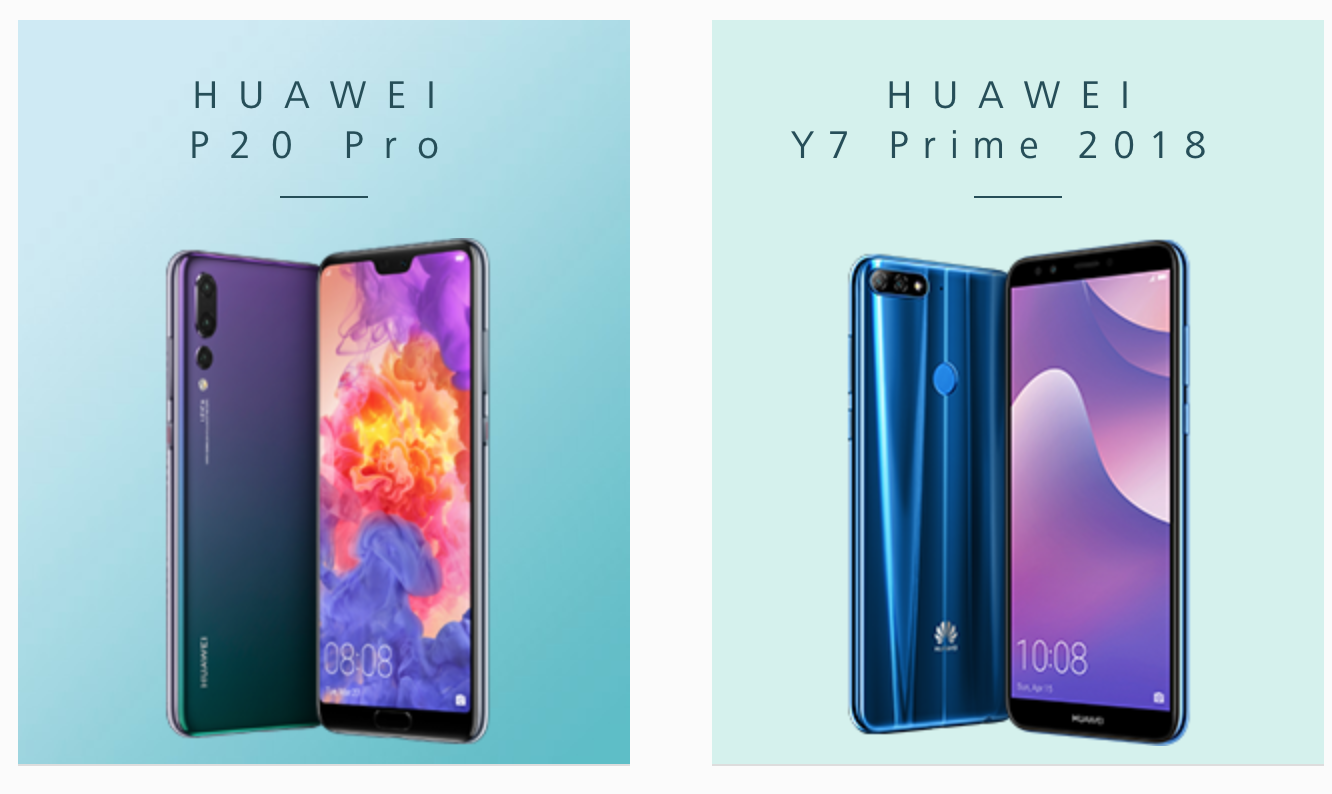
Huawei, the Shenzhen based technology company, has announced the launch of a smartphone that will use the famous cryptocurrency. It will use BTC.com’s platform as a Bitcoin wallet on its smartphones. New devices coming out of Huawei factories will integrate Huawei AppGallery that will give access to the Bitcoin wallet. “Cryptocurrencies have recently expanded the human understanding of digital economy at a large scale … We expect to see massive growth in global cryptocurrency adoption habits in the near future,” said the vice president of Huawei Mobile Services, Dr. Jaime Gonzalo. Through the app, users will be able to buy products and services with Bitcoins. They will also have the possibility to follow cryptocurrency mining and get blockchain informations. It will also be an opportunity for Chinese customers to have a taste of cryptocurrency. So far, Google Play on Android and Apple’s App Store were not allowed by Chinese authorities…
That’s what researchers at CCS Insight believe. According to their report, China and the United States will lead the way in deploying the next generation of mobile technology. Commercial deployments of 5G in the U.S. are expected as soon as the end of 2018. CCS Insight’s forecast of an initial U.S. lead corroborates with a report from the GSMA at the end of March 2018, but the firms appear to disagree on the rest of their rankings for the period prior to 2025. In the GSMA’s report, by 2025, China falls to fourth place with 25 percent of mobile connections being 5G. The United States takes the lead with 49 percent, followed by Japan (45 percent) and Europe (31 percent). IN 2025, MOBILE BROADBAND IS STILL PREDICTED TO REPRESENT 98% OF ALL 5G CONNECTIONS “The industry might be struggling to establish the business models for investment in 5G, but this isn’t stopping leading…
Softphones have become very popular across the world due to its cost-effectiveness, the multiple features offered by the software and the ability of the device to offer unified communications, including voice, video, instant messaging and fixed-mobile convergence. The 6 Benefits of Using Softphones: Cost of softphones Softphones are inexpensive and many products are available free of charge. In addition, softphones allow expensive desk and SIP phones to be replaced, and the cost of maintaining this hardware is no longer a consideration. Any upgrades to the softphone are generally free-of-charge and are easily installed without requiring expensive technical assistance. Save on calls In general, VoIP-to-VoIP calls are completely free. International and long-distance rates are much lower when using a VoIP softphone versus traditional telephony, so those making regular or frequent calls out-of-state or country can effect significant cost savings. Also, traditional landlines require a high general operating fee in order to…
Telecommunication has changed significantly since Alexander Graham Bell’s created the first practical telephone model in 1876. While there have been changes in design, function, features and much more, few can argue that there are any changes bigger than the move to VoIP (Voice Over Internet Protocol) technology. This new invention has not only produced the emerging VoIP market, but it is also leading to the take over of traditional phone systems. Who is the man behind VoIP? None of this would be possible without Alon Cohen. Born in Israel in 1962, his multiple patents have both created and improved on Internet telecommunications. Let’s look into who Alon Cohen is, how he developed this technology and how it has changed the face of phones and audio communications forever. Beginnings Creating the VoIP industry was not on Alon Cohen’s mind when he first started learning about technology. In fact, it wasn’t even the…
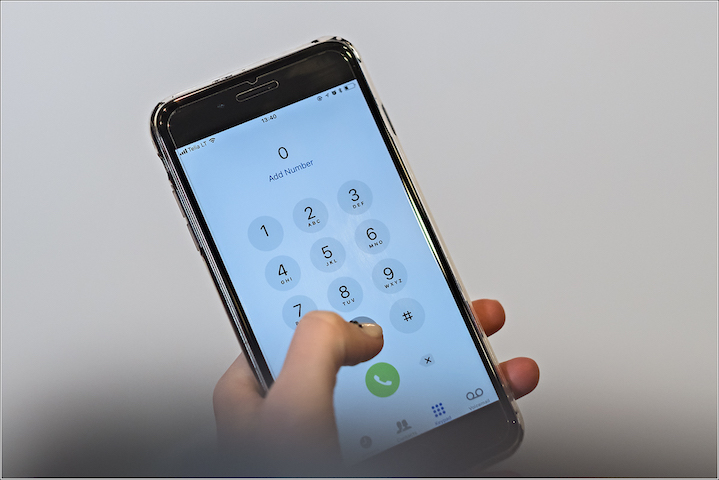
With the rate at which the VoIP industry is expanding, there is no doubt that everyone has heard of the term softphone in recent years. Even though most people might not even know what it is, they are certainly aware of the word. They might even be using one already without realizing it. So What is a Softphone Exactly? A softphone (software telephone) is a software program for making phone calls over the Internet using a computer, tablet or smartphone rather than using dedicated hardware. It is often designed to look and behave like a traditional telephone, with a display panel and buttons for the user to interact with, much like a standard phone interface. Most softphones work in conjunction with a headset and microphone that is connected to the computer. Softphone applications can be downloaded from a wide variety of providers and are available for a range of operating systems such as Windows,…