Unveiling an intriguing alliance, Liberty Latin America plans to sell 1,300 mobile tower sites to Phoenix Tower International for $407 million, paving a strategic path toward debt reduction and further enterprise investment. This comprehensive deal, incorporating markets from Panama to Puerto Rico, uniquely positions PTI in the telecom landscape and underscores Liberty Latin America’s focus on mergers and acquisitions to amplify its regional impact.

In a strategic move to bolster its mobile network, Australia’s premier telecom firm, Telstra, acquires local operations of small cell provider Dense Air. Both financial details and timelines of the transaction remain veiled. This comes after the Australia Competition Tribunal blocked Telstra’s partnership with TPG, favoring competition and avoiding regional coverage setback. While rivals speculate, Dense Air’s retreat from Trans-Tasman markets coincides with Sidewalk Infrastructure Partners’ takeover. This deal provides Telstra’s network expansion plans with crucial additional spectrum capacity.
An enthusiastic exploration of advancing telecommunication technologies, particularly 5G and its bigger sibling, 5.5G, was recently exhibited by Huawei’s Antenna Business Unit President, Eric Zhao. Eric emphasizes how competent R&D pursuits are imperative to propel antenna performance, a critical aspect in 5.5G proliferation. He highlights the enhancement of user experience, operational efficiency and service extension as key objectives. Moreover, Huawei’s strides in working towards the goals of unrestricted deployment, zero signal loss, and ‘zero touch’ O&M demonstrate their ambition. Yet, the journey towards these ambitious targets is far from over.
As 5G Fixed Wireless Access (FWA) evolves with its next phase, 5G Advanced, worldwide research indicates growth and potential for higher speeds and reduced latency. The Middle East currently showcases impressive progress with over 1.6 million 5G FWA users. Yet, debates exist over its future, exploring whether 5G FWA will remain an affordable alternative to fixed broadband or tap into its speed for new applications. Moreover, cost is a concern for Customer Premises Equipment (CPE) devices, considered a current hurdle in advancing 5G FWA.
The Port of Tyne, a key player in UK’s maritime infrastructure, is embarking on an exciting technological journey, partnering with Ericsson and BT to establish 4G and 5G private network connectivity. By engaging revolutionary standards in safety, efficiency, and sustainability, the Port aspires to become an exemplar among smart ports. Uniquely, the port-wide private network incorporates both 4G and 5G standalone connectivity, benefitting legacy devices while enabling cutting-edge 5G applications. This technological upgrade paves the way for futuristic applications that could revolutionize port operations while reducing carbon emissions. Learn more about this visionary initiative and its potential implications for the maritime industry.
In a bold amalgamation move, Orange and MasMovil are set to combine their Spanish telecom operations in a €19 billion deal. European regulators, however, have expressed concerns, fearing a spike in consumer costs due to a potential market monopoly. To address these apprehensions, Orange and MasMovil are shedding some assets, with Romanian telecom Digi earmarked to acquire parts of the business, paving the way for a more competitive landscape. Californian tech enthusiasts, early adopters and IT professionals are keenly observing this development, which is seen as a yardstick for regulator sentiment towards large-scale telecom consolidation in Europe.
In a robust move, Nokia is set to enhance 5G Fixed Wireless Access (FWA) with the unveiling of FastMile, two innovative solutions aimed at boosting indoor and outdoor coverage. This stride could revolutionize the industry, especially when considering wall attenuation effects on network capacity. FastMile’s outdoor solution cleverly sidesteps signal loss due to wall materials, while an intuitive mobile app assists users in determining the best placement for their receivers—shaping a route towards an optimal user experience in telecommunications.
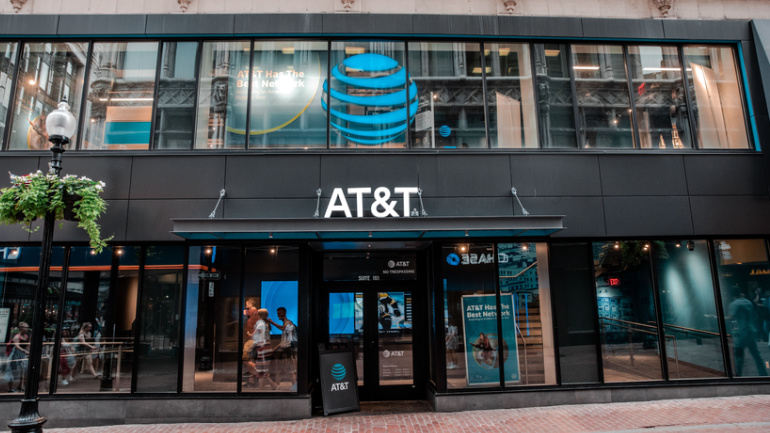
AT&T’s vast addition to their fiber net base underlines an impressive income growth. This growth is visible in their third-quarter report, boasting revenues over $30 billion. The influential role of AT&T’s fiber subscriptions reveals a customer base exceeding 8 million aided significantly by a striking 26.9 percent growth in AT&T Fiber revenues. Notably, the company’s recent launch, AT&T Internet Air, foresees further enhancement to their service offerings.
SpaceX’s Starlink is paving the way for direct-to-mobile services, thanks to a progressive partnership with T-Mobile. Going beyond termianls, the ambitious endeavor could allow unmodified smartphones to directly connect with satellites. Beginning with text messaging in 2024, comprehensive voice and data services are slated to follow in 2025. However, AT&T and the Rural Wireless Association express concerns about possible interference with commercial networks, prompting fierce debate over the fine lines of regulatory procedures.
EXA Infrastructure, the largest dedicated digital infrastructure platform connecting Europe and North America, today announced it has added a fifth transatlantic route to its network footprint with the addition of the Dunant cable, connecting the US and Europe via a southern corridor across the Atlantic. This new route complements EXA’s existing cables, connecting Paris and Bordeaux in France to the large data centre clusters of Virginia Beach, Richmond and Ashburn in the US. This new route offers excellent diversity from other transatlantic cables, as well as connecting to EXA’s extensive European backbone onwards to Madrid, Barcelona and Marseille via differentiated routes.