Vodafone and Ericsson are testing AI-powered real-time translation for mobile voice calls, signaling a VoIP innovation. Using Microsoft language models and automatic language detection, the network-based service could make multilingual calling seamless. For telecom operators, AI voice translation promises smarter communications, new revenue opportunities and competition in next-generation VoIP services

Louisiana’s BEAD broadband expansion is shifting to construction, bringing faster fiber, fixed wireless, and satellite connectivity to 15,000 locations by 2027. For rural businesses, improved broadband means stronger VoIP phone systems, cloud communications, telehealth, remote work, and digital growth as providers race to close critical connectivity gaps for Louisiana communities
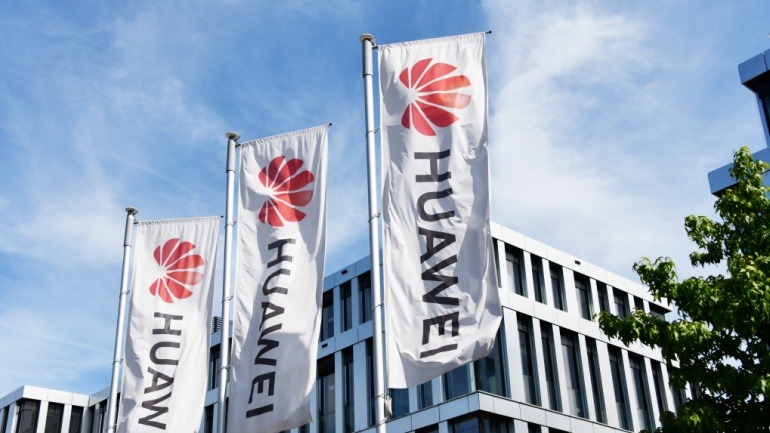
Discover how the partnership between Huawei and Shenzhen Welkin School is leveraging cutting-edge technology to revolutionize education globally. With UNESCO predicting a need for 44 million teachers by 2030, Huawei’s smart education solutions, including interactive whiteboards and high-speed Wi-Fi, aim to bridge the gap, enhancing educational equality worldwide.
The Affordable Connectivity Program (ACP), a lifeline for millions of low-income Americans struggling to afford internet access, has officially shut down. Despite bipartisan support, Congress failed to secure additional funding, leaving the future of the program uncertain.
Bridging the digital divide in vast and harsh terrains like the Scottish Highlands, VMO2 embarks on a novel approach, utilizing a constellation of Low Earth Orbit satellites from Starlink for critical backhaul services. Bypassing conventional, costly terrestrial infrastructure, VMO2’s tests have proven the potency of satellite technology in improving coverage across the UK.
In a significant move, AT&T has pledged an additional $3 billion investment by the end of the decade to address the digital divide in the United States, bringing its total commitment to this cause to $5 billion. This announcement comes as part of the telco’s ongoing efforts to ensure more Americans have access to affordable high-speed internet.
Verizon’s laudable initiative, Verizon Innovative Learning, has achieved a milestone by bringing digital skills training to seven million students, aiming to address digital inclusion. Their ongoing efforts focus on underserved Title I schools, providing them with an integrated technology curriculum, advanced tech tools and free internet connectivity.
Unearthing an alarming digital divide in the UK, researchers at Bionic discovered that 20% of adults lack basic online skills, and shockingly, half of the households do not have internet. In a critical look at digital inclusion in UK cities, Manchester stands out with an impressive 193 digital inclusion services, with Coventry and Bangor trailing behind. London, despite its size, did not break into the top 20 due to shortage of services relative to its population size.
Almost half of Britain’s deprived rural areas lack access to 5G, according to a study by Vodafone. Urban communities fare better, but the digital divide remains significant. While this disparity supports Vodafone’s push for a merger with Three to improve coverage, government approval is still pending. Is this research merely a tactic to justify the merger, or does it genuinely highlight the urgent need for connectivity solutions in these regions?
Cellnex, an esteemed telecom infrastructure supplier, is collaborating with Forever Manchester to foster digital inclusion, introducing two funds focused on nurturing related projects across Manchester. Reflecting the principles of the Greater Manchester Digital Inclusion Strategy, these funds could support various efforts such as improving online access for job seekers or distributing recycled computers.