


Schneider Electric has introduced cutting-edge solutions to address energy and sustainability challenges linked to AI demand. With NVIDIA, they’ve developed a data center design supporting AI clusters with 132 kW per rack.
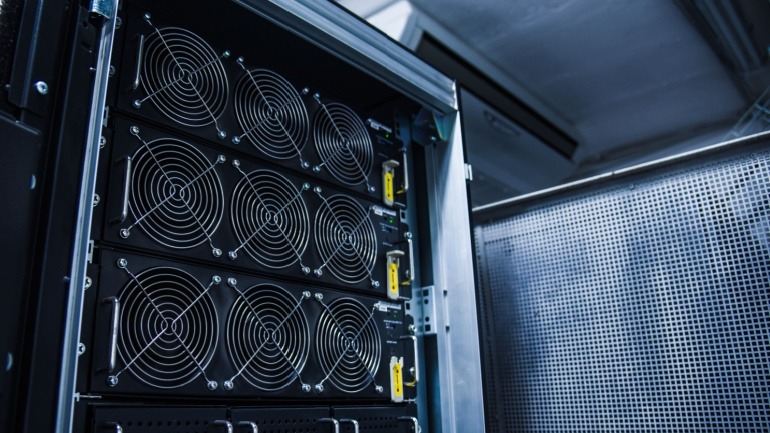
Schneider Electric has introduced cutting-edge solutions to address energy and sustainability challenges linked to AI demand. With NVIDIA, they’ve developed a data center design supporting AI clusters with 132 kW per rack.

Nokia introduces a Private Wireless Sustainability Calculator to boost industry sustainability through private wireless networks. Leveraging extensive deployment experience, this tool aids enterprises in achieving environmental and social goals. Key benefits include lower carbon emissions, improved safety, and cost savings, crucial for Industry 4.0 applications like drones and digital twins.
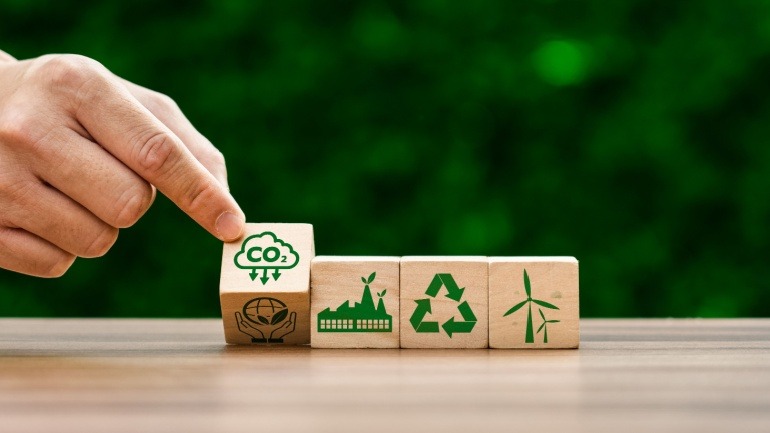
Logicalis has announced remarkable progress in its environmental sustainability efforts, as detailed in the Responsible Business Report 2024. Notable achievements include a 27% reduction in scope 1 emissions and a 17% reduction in scope 2 emissions. These efforts align with Logicalis’s goal to reach net-zero emissions by 2050.

ST Telemedia Global Data Centres (STT GDC) has launched an updated Sustainability-Linked Financing Framework (SLFF) to achieve carbon-neutral operations by 2030. This refined framework, which features rigorous Key Performance Indicators (KPIs) and Sustainability Performance Targets (SPTs), underscores STT GDC’s unwavering commitment to sustainability and responsible growth within the digital economy.

Three UK has achieved a significant milestone in network sustainability through its collaboration with Ericsson, employing advanced AI-powered hardware and software. Over the past 18 months, the partnership has focused on modernizing Three UK’s network, significantly enhancing energy efficiency with cutting-edge technologies.

Continuing their established partnership, Swisscom and Ericsson unveiled a multi-year agreement to boost Swisscom’s innovation and increase energy efficiency for its 5G network. The pact includes Ericsson’s Intelligent Automation Platform, facilitating advanced network management. Their united effort aims to significantly enhance user experience, while also pushing for sustainability and substantial operational savings.

The SubOptic Foundation’s latest report shines light on the sustainable potential of subsea telecommunications cables, often underrepresented in sustainability discussions. With a detailed coverage of sustainable practices, the report explores CO2 emissions tracking, renewable energy utilization, recycling strategies and more.

Telefónica’s recent release of a green bond, valued at €1,750 million, experienced an impressive demand. The bond’s oversubscription tripled, indicating keen investor interest in the telecommunication giant’s ecological endeavors. The bond, which will fund projects aimed at modernizing both fixed and mobile telecom networks, is aligned with Telefónica’s goal of dedicating roughly 40% of total funding to ESG criteria by 2026, underpinning the company’s pledge to integrate environmental and financial sustainability.

Aiming to diminish the climate impact of legal proceedings, a group of dedicated lawyers is advocating for sustainable litigation practices across England and Wales. Aligned with the 2015 Paris Agreement, the initiative pleads with organizations striving for Net Zero emissions to adopt the Greener Litigation Pledge. VMO2 plays a key role in this movement, with ambitious plans to reduce its emissions by 90% by 2040.

In a significant move towards advancing 5G network capabilities, Telenor and Ericsson have officially entered a three-year Memorandum of Understanding (MoU). The collaboration aims to pioneer research, development, and testing of Artificial Intelligence (AI) and Machine Learning (ML) solutions, with a primary focus on enhancing energy performance without compromising network quality.
