2569 Results

AI technology

Search

Global RAN spending is shifting beyond China as operators accelerate 5G upgrades, capacity expansion, and modernization. Strong growth across emerging markets creates new opportunities for carriers, vendors, fixed wireless, enterprise connectivity, and VoIP services. Omdia’s latest data highlights regional momentum, vendor competition, and the evolving business case for mobile networks.

Openreach is accelerating UK Full Fibre with XGS-PON upgrades, targeting broadband speeds up to 8.5Gbps. The rollout boosts capacity for homes, businesses, VoIP services, video meetings, cloud communications, and remote work. As demand surges, faster fibre access could improve reliability, reduce bottlenecks, and power next-generation digital connectivity nationwide across Britain

Linksys Signal Studio brings real-home Wi-Fi testing to broadband providers, helping ISPs improve coverage, mesh placement and VoIP call quality before deployment. By recreating everyday rooms, walls and connected device interference, the Reading facility supports better customer experience, fewer support calls and stronger performance for Wi-Fi 7 and broadband users

T-Mobile US is redefining network automation by tying AI decisions to real customer experience, including VoIP call completion, uploads, video quality, and service reliability. With Dynamic CX, agentic NOC tools, and human oversight for high-risk changes, the carrier aims to improve mobile voice performance, faster repairs, and nationwide carrier-grade connectivity.

UK telecoms faces a wake-up call as Kearney ranks the sector near last for health. Fragmented markets, costly fibre rollout, 5G capacity gaps and weak customer sentiment threaten VoIP performance, business connectivity and digital growth. Experts urge consolidation, smarter regulation and wholesale competition to build reliable, future-ready networks across Britain

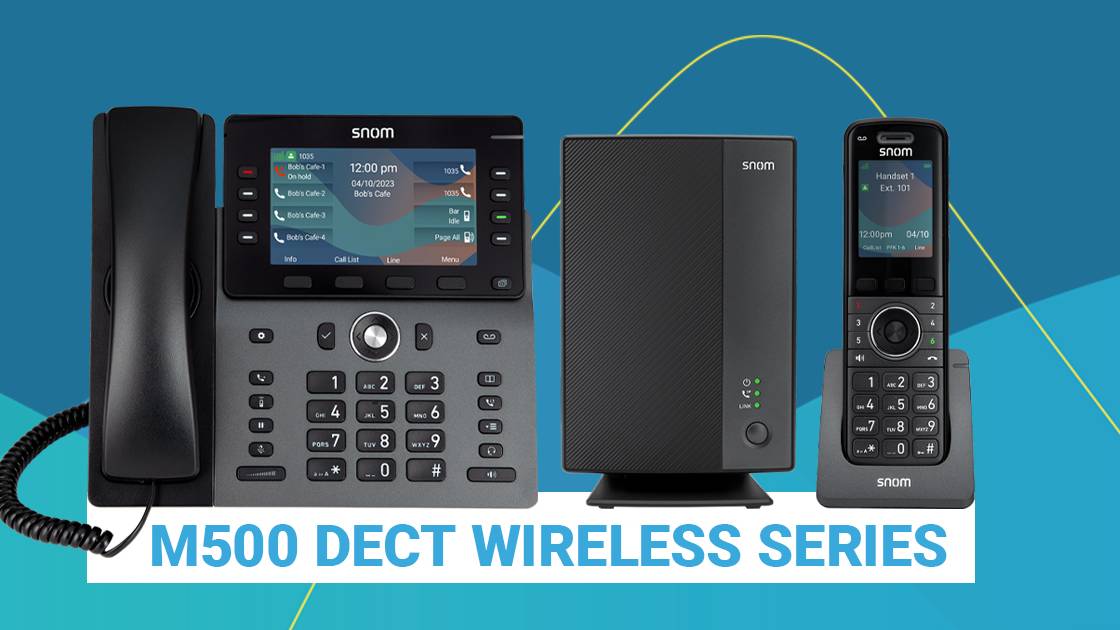
Telinta, a global leader in cloud-based VoIP switching and billing solutions, and Snom, a leader in communication technology, today announced a solution for automated provisioning of Snom M500 phones using Telinta’s softswitch platform. Telinta has developed Auto-Provisioning Profiles for the Snom M500 Pro DECT Multicell Base Station, the Snom M55 SIP DECT Handset, and the Snom M58 SIP DECT Deskset. The Snom M500 DECT Multicell Base Station, together with the M55 SIP DECT Handset and M58 SIP DECT Deskset, delivers a scalable, enterprise-grade wireless communications solution for businesses of all sizes. Designed for simple deployment and centralized management, the M500 family provides reliable mobility, exceptional HD voice quality, and secure SIP-based communications, making it an ideal solution for service providers delivering hosted voice and UC services. This cloud-based provisioning enables Internet Telephony Service Providers (ITSPs) worldwide to streamline and automate deployments of Snom phones via Telinta’s cloud-based softswitch platform.  Telinta’s solution is…

Smart glasses are entering VoIP and unified communications strategies, but privacy fears could define adoption. As European regulators scrutinize wearable cameras, vendors must prioritize visible recording alerts, GDPR-ready safeguards, and trust-first design. For enterprises, secure smart glasses may transform remote assistance, collaboration, and frontline communications without normalizing covert public recording

Wetherspoon’s clarification on Meta smart glasses highlights a growing VoIP and unified communications challenge: wearable devices enable calls, recording, livestreaming, and AI assistance in public venues. As smart glasses blur privacy boundaries, pubs, retailers, and workplaces need clear policies that protect customers, guide staff, and support responsible communication innovation today.