Wetherspoon has clarified its position on smart glasses in UK pubs. The company says it has not banned Meta smart glasses. Instead, it will apply existing rules on recording customers and staff.
The clarification follows reports of a wider ban across the pub chain. However, Wetherspoon told UC Today that no device-specific policy exists.
“Wetherspoon said that photographing or videoing customers without their permission was prohibited and that, with regard to Meta glasses, our instinct was to say ‘turn the cameras off’,” the spokesperson said.
“However, Wetherspoon did not say that Meta glasses are banned, and we have not introduced a company policy specifically for smart glasses.”
This distinction matters for hospitality, retail, and workplace operators. Smart glasses now combine cameras, audio, calls, livestreaming, and AI tools. That makes them communication devices, not just wearables.
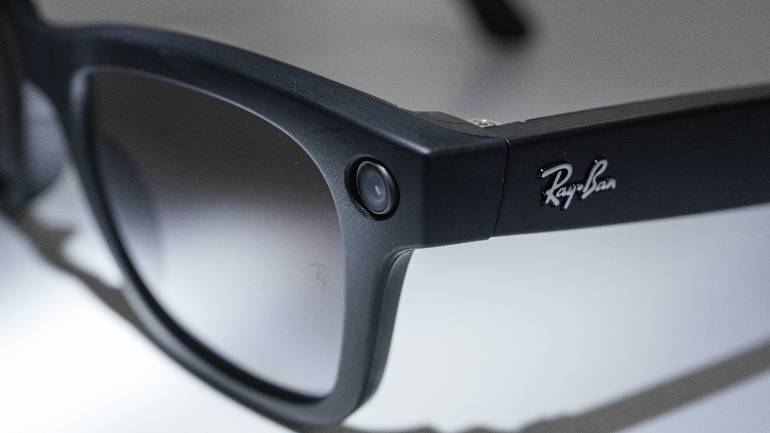
Meta’s Ray-Ban smart glasses allow hands-free photos and videos. Users can also take calls, hear music, and access AI assistance. Meta says an LED light shows when recording starts.
For many users, this technology offers clear value. Hands-free communication helps workers, travellers, and people with accessibility needs. Live translation and spoken assistance can support daily tasks.
However, public venues face a harder question. A phone raised to record is easy to spot. Glasses look normal and can blend into clothing. Staff may not know when recording starts.
Wetherspoon says its rules already cover this issue.
“Whereas CCTV is used for security and safety reasons, our general policy, in common with many companies, is that customers or staff should not be covertly recorded without their knowledge or permission,” the spokesperson said.
“In this regard, the same rules apply to Meta glasses as for mobile phones.”
Other venues have chosen stricter measures. Monopoly Events, which runs UK Comic-Con events, has banned such devices. The decision followed concerns from guests and talent agencies.
DEF CON has also restricted camera-equipped smart glasses. Some restaurants, theatres, and private clubs have introduced similar rules. These moves show rising pressure around privacy in shared spaces.
Henry Angus, Head of Operations at Education Cubed, said regulation now lags behind adoption.
“When every venue in the country is writing its own policy to ban your product because the law hasn’t, regulation isn’t optional, it’s overdue,” Angus wrote.
He also criticised after-the-fact content removal.
“That’s treating a hardware-and-consent problem as a content-moderation clean-up job, mopping the floor while the tap runs,” he wrote.
For technology leaders, the message is clear. Wearable communication tools need transparent rules. Businesses must decide whether current policies are enough.
Frontline staff also need simple guidance. They must know when to intervene, what to say, and who to contact.
As smart glasses become smaller and smarter, this debate will intensify. The next challenge is balancing innovation with trust in public spaces.