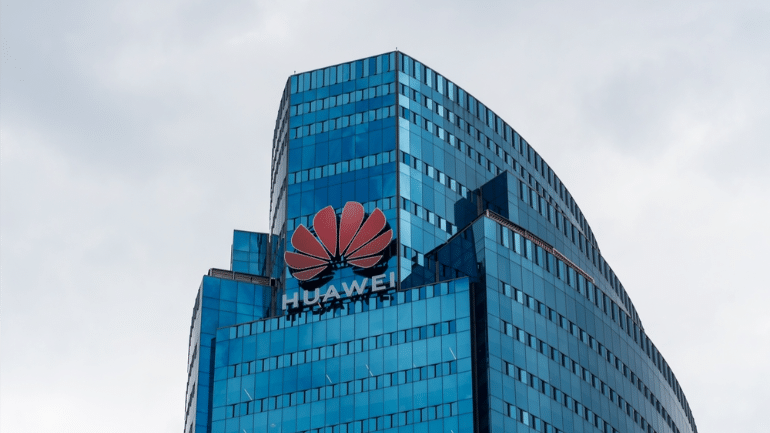
Huawei, TM Forum, and leading global operators unveil AI-powered Agentic Operations for smarter telecom and VoIP networks. The new white paper explores digital twins, EDNS 2.0, automation, and data governance to reduce downtime, improve service quality, and help engineers manage complex voice, cloud, IoT, and mobile network operations today efficiently.
China Telecom’s AI-native 6G vision could reshape VoIP, enterprise communications, and cloud telephony by combining connectivity, compute, storage, and automation. With smarter routing and local processing, future networks may deliver lower latency, stronger reliability, and new carrier services for voice, video, IoT, industrial automation, and real-time AI applications worldwide securely.
Huawei’s MWC Shanghai 2026 vision signals a major shift for VoIP, mobile operators, and 6G networks. As AI agents, smart glasses, and cloud services demand faster uplinks, carriers may monetize both data and AI tokens, creating new telecom revenue models built on intelligent, low-latency connectivity and advanced network computing platforms.
China’s mobile boom is reshaping telecom, with 5G-Advanced, AI networks, cloud services, and future 6G expected to add $2.1 trillion by 2030. For VoIP providers, stronger uplink speeds, edge computing, and intelligent connectivity unlock better voice quality, enterprise communications, and scalable business VoIP opportunities across China’s expanding digital economy market
Stanford Medicine’s Justin Scord urges VoIP and collaboration teams to approach AI with discipline, not hype. At InfoComm 2026, he emphasized scalable, supportable systems, data-backed vendor claims, and careful AI adoption across unified communications, cloud calling, meeting rooms, and healthcare workflows where reliability, privacy, and governance are essential for providers
SpaceX’s $60 billion Cursor acquisition could accelerate AI-driven software development across Starlink, satellite broadband, and VoIP infrastructure. For telecom providers, the deal signals faster network automation, smarter coding workflows, and improved service reliability. As AI reshapes communications technology, VoIP operators should watch how SpaceX turns developer intelligence into operational advantage
Cisco and Zoom are reshaping enterprise VoIP collaboration with native Zoom Rooms on Cisco devices. The launch helps IT teams modernize meeting rooms, improve video conferencing experiences, and unlock AI-powered workplace analytics while preserving premium Cisco hardware. As hybrid work grows, room technology becomes critical communications infrastructure for business calling.
HiBob’s Slack integration brings HR intelligence into everyday collaboration, showing how VoIP and unified communications platforms are evolving into AI-powered business hubs. By connecting workforce data, workflows, and Slackbot support through MCP, enterprises can reduce app switching, improve decision-making, and build smarter, secure digital workplace experiences for distributed teams today.
Flip has unveiled groundbreaking tools to integrate frontline workers with enterprise systems at the Forward 2026 conference. Their new Frontline Identity and Flip Fusion products empower employees by providing secure and seamless access to enterprise workflows, leveraging AI innovations. This breakthrough bridges the gap, enhancing AI accessibility for frontline operations globally.
Reliance Jio’s IPO is set to reshape India’s VoIP and telecommunications landscape, potentially raising $3.8 billion. The company’s evolution highlights its dominance with over 500 million subscribers since 2016. Expanding into sectors like fibre broadband and AI, Jio’s strong infrastructure makes it a key player in India’s digital economy.