VodafoneThree welcomes UK planning reforms that could speed telecoms infrastructure, mobile network upgrades, and nationwide 5GSA rollout. Stronger NPPF guidance may improve coverage, capacity, reliability, and VoIP call quality for businesses. Faster deployment supports cloud communications, unified communications, IoT, public services, and growth across cities, rural communities, industries, and homes.

Qualcomm’s appointment of Sergio Buniac signals a major push into Snapdragon-powered mobile, PC, wearable and AI devices. For VoIP providers and telecom leaders, stronger on-device AI, faster compute and connected experiences could enhance voice services, edge communications, collaboration tools and next-generation business VoIP performance across emerging personal technology ecosystems worldwide
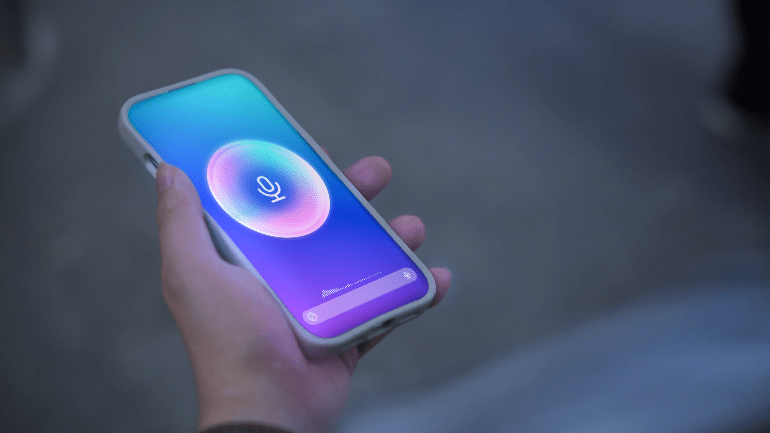
Wispr’s $280 million Series B signals rising demand for voice AI in VoIP, unified communications, and enterprise workflows. With Canto speech technology and Flow Notetaker, Wispr aims to improve transcription, meeting summaries, and multilingual collaboration, but buyers will watch accuracy, security, integrations, and real-world performance closely in noisy workplaces today.
Linksys Signal Studio brings real-home Wi-Fi testing to broadband providers, helping ISPs improve coverage, mesh placement and VoIP call quality before deployment. By recreating everyday rooms, walls and connected device interference, the Reading facility supports better customer experience, fewer support calls and stronger performance for Wi-Fi 7 and broadband users
Otter.ai’s privacy lawsuit could reshape VoIP and collaboration compliance as AI meeting assistants face scrutiny over Zoom, Microsoft Teams, and Google Meet recordings. With wiretap and biometric claims moving forward, enterprises must tighten consent, transcription, voiceprint, and data retention policies before deploying AI notetakers across business communications and VoIP workflows
Lockheed Martin’s NetSense turns live Verizon 5G signals into drone-detection intelligence, showing how telecom, AI, and edge computing can transform network security. For VoIP providers and enterprises, this highlights a future where 5G and 6G infrastructure supports safer communications, smarter airspace monitoring, and new managed service opportunities worldwide at scale.
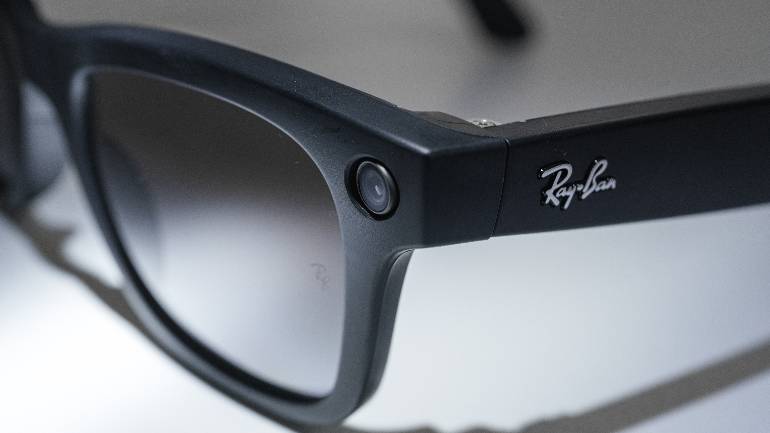
Smart glasses are entering VoIP and unified communications strategies, but privacy fears could define adoption. As European regulators scrutinize wearable cameras, vendors must prioritize visible recording alerts, GDPR-ready safeguards, and trust-first design. For enterprises, secure smart glasses may transform remote assistance, collaboration, and frontline communications without normalizing covert public recording
Wetherspoon’s clarification on Meta smart glasses highlights a growing VoIP and unified communications challenge: wearable devices enable calls, recording, livestreaming, and AI assistance in public venues. As smart glasses blur privacy boundaries, pubs, retailers, and workplaces need clear policies that protect customers, guide staff, and support responsible communication innovation today.
Telefónica is bringing AI-powered call transcription, summaries, and virtual agents to fixed and mobile business voice services, signaling a major VoIP evolution. With faster response times, smarter call handling, and improved agent efficiency, the launch shows how telecom operators are turning everyday voice traffic into valuable actionable business intelligence insights.
Microsoft is retiring Perspectives, reshaping employee feedback and enterprise collaboration strategy. As businesses rethink performance tools, VoIP, UCaaS, and workplace communication leaders should note the shift toward real-time conversations over formal requests. The move highlights how AI, Copilot, and digital workflows are changing feedback, productivity, and team accountability for enterprises.