121 Results

emissions

Search

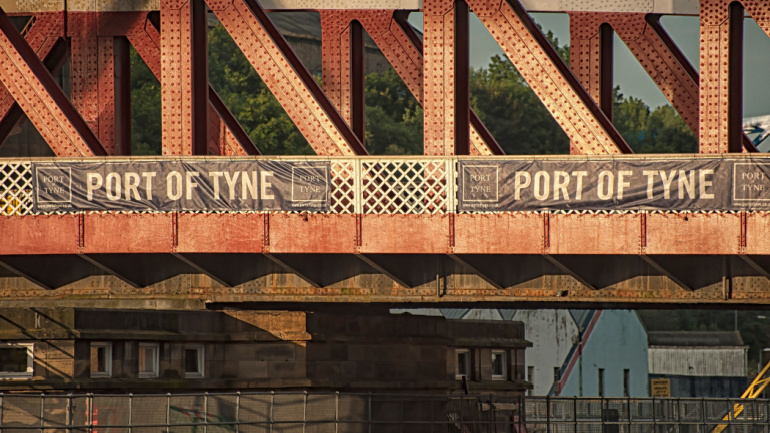
The Port of Tyne, a key player in UK’s maritime infrastructure, is embarking on an exciting technological journey, partnering with Ericsson and BT to establish 4G and 5G private network connectivity. By engaging revolutionary standards in safety, efficiency, and sustainability, the Port aspires to become an exemplar among smart ports. Uniquely, the port-wide private network incorporates both 4G and 5G standalone connectivity, benefitting legacy devices while enabling cutting-edge 5G applications. This technological upgrade paves the way for futuristic applications that could revolutionize port operations while reducing carbon emissions. Learn more about this visionary initiative and its potential implications for the maritime industry.


Taking leaps in autonomous network management, Telefónica skillfully navigates the complex landscape, developing standards and aligning with recognized organizations. With their Autonomous Network Journey program, they unravel the value of AI and machine learning at multiple levels. With successful solutions like Vivo Config, they’ve achieved substantial work savings and dramatically reduced network alarms and reworks, while actively focusing on energy efficiency and emissions reduction – invaluable attributes in the era of sustainability.

HMD Global sets a new bar in smartphone manufacturing with the Nokia XR21, claiming ‘military-grade durability’ and localized data storage for improved security. Remarkably, this sturdy device boasts a chassis made from 100% recycled aluminium, affirming the company’s commitment to sustainability. As an added boon, it has moved its manufacturing to Europe, enhancing the product quality control. This move hints at the potential appeal of a ‘Made in Europe’ smartphone in an overwhelmingly Asian-dominated market.

Orange Marine continues to assert dominance in the subsea cable industry with the sophisticated ‘Sophie Germain’, an innovative vessel designed for comprehensive undersea cable care. This 100 meter long ship is home to a 450 kW ROV for precise optic cable maintenance. Moreover, it not only enhances connectivity globally, but also makes strides in sustainability by significantly reducing fuel consumption and slashing emissions. Remarkably, in a field with only 60 cable ships worldwide, Orange Marine introduces innovation that may reshape the future of global telecommunications infrastructure.

Exploring efficient energy solutions, BT is turning to liquid cooling techniques to lower network switch power usage. Collaborations with Iceotope and Juniper hint at precision cooling for servers—a potentially industry-first initiative. Meanwhile, strategies with Immersion4, Nexalus, and Airsys run the gamut from full immersion to cooling-unit encased cold plates. Crucially, every energy-reduction experiment aids BT’s ambitious journey toward net-zero emissions by 2031.

Apple’s recent unveiling of four new iPhone models, with prices starting from £799, highlights the company’s steady stream of innovation. This release has also stirred debate among smartphone enthusiasts questioning the extent of the innovations, especially considering the premium pricing. Despite predicted criticism, Apple maintains its market dominance by committing to incremental upgrades, asserting a commitment to environmental responsibility, and boasting durable, low-bug products.

Unveiling a battery and solar-powered 5G site in Texas, Ericsson demonstrates an innovative and eco-friendly approach to creating energy-smart network solutions. This next-generation site not only offers enhanced energy management, potentially trimming operational expenses and reducing energy consumption, but also hints at lucrative future revenue streams from selling excess power. As Ericsson continues to explore greener alternatives, it’s intriguing to see how telecom companies worldwide will adopt this sustainable model.

In the quest for digital transformation, Huawei, at MWC Shanghai 2023, introduced groundbreaking ICT and software innovations. Bruce Xun, Huawei’s Vice President, emphasized the company’s intention to construct robust networks with global carriers while focusing on creating intelligent digital talent. Embracing the dual-E concept, Huawei is striving for a green, efficient integration looking to reduce carbon emissions and enhance user experience.

Ericsson plans a €155 million investment for a smart manufacturing hub in Tallinn, Estonia. BT will reduce its workforce by 1,100 at Adastral Park while investing in modernization. Cellnex acquires full control of OnTower Poland, expanding its tower portfolio. Unicon launches an enhanced partner program for resellers in end-user computing. NEC introduces a generative AI service to drive business transformation.