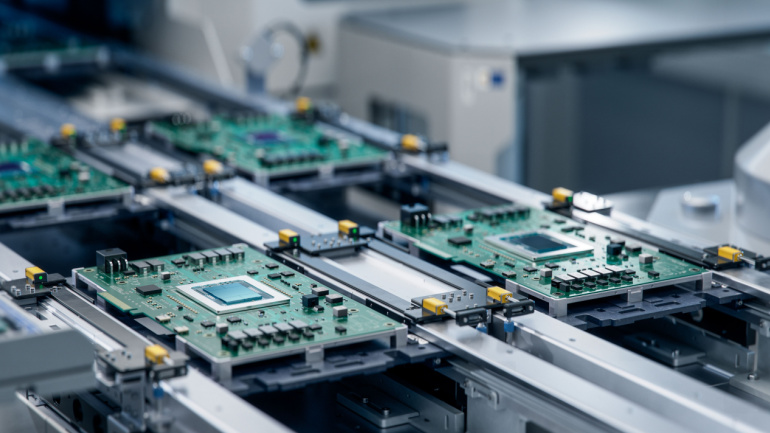
The 2023 Asian Games offered a glimpse into the future of event tech, from eSports to AI-driven systems. Among the innovations, a standout was ‘RADICAL’, an intelligent digital solution by Huawei and China Mobile Zhejiang, designed to manage intense 5G traffic, ensuring an exceptional experience for attendees.
China’s “dual carbon” mandate is reshaping data centers, creating an eco-conscious equilibrium between robust computational power and sustainability. Consider China Mobile’s Hohhot data center, built with Huawei, melding massive computational potential with cutting-edge energy-saving technologies.
In the dynamic realm of modern business, meeting customer expectations is a challenge. Unified Communications (UC) addresses this by integrating diverse communication tools into a cohesive platform. This article explores UC’s benefits, such as omnichannel experiences, personalized interactions, real-time responsiveness, enhanced collaboration, employee mobility, seamless integration with applications, and leveraging data analytics for continuous improvement. UC transforms the customer journey, fostering satisfaction, loyalty, and long-term success in the competitive business landscape.
IDC predicts a promising future for the semiconductor industry, driven by AI advancements and a stock level recovery. With a refreshed outlook signaling sustainable growth, the firm anticipates global chip revenue of $526.5 billion in 2023. Progress can be seen in the revised revenue forecast for 2024, hinting at a 20.2% year-on-year growth to $633 billion.
Italian telecom provider Wind Tre faces hurdles in selling infrastructure due to complex 5G network sharing negotiations with rivals Iliad and Fastweb. CK Hutchison delays the deal closure by three months to February 12, citing challenges with Iliad and Fastweb. Meanwhile, Indosat Ooredoo Hutchison’s $6 billion merger in Indonesia with Huawei’s support achieves significant growth. France’s Orange introduces satellite broadband, while Norway’s Telenor sells its satellite operations. FCC’s new broadband rules target discrimination, raising concerns of unintended consequences. Mavenir and Nokia achieve remarkable Open RAN interoperability, overcoming past criticisms and showcasing commitment to multi-supplier systems.
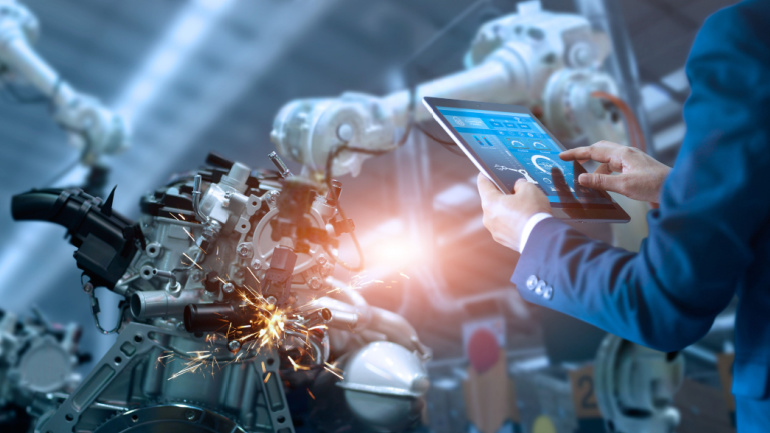
As Great Wall Motors’ subsidiary, EA, surges ahead in the sphere of intelligent equipment and automated production, one can’t help but note its acceptance of a 5G advanced network, shaking off constraining wired networks of yore. The move is tipping the scales in favor of increased efficiency and dependability in the production line, opening a new chapter in China’s modernization.
The monumental $6 billion merger of Indosat Ooredoo and Hutchison 3 Indonesia has quite literally shifted the telecommunications landscape, propelling the newly formed IOH to Indonesia’s second-largest operator. Amid the complexities of combing networks, meticulous planning was key, and despite the odds, the venture has resulted in substantial improvements in service and competitive edge.
Vodafone aims to bolster its shared operations with Accenture’s expertise, creating a strategic alliance that places emphasis on growth, customer service, and efficiency. Key investments into Vodafone’s in-house IT and networking unit “Vodafone Intelligent Solutions” (VOIS) will leverage Accenture’s proficiency in digital solutions and artificial intelligence. The partnership remains dependent on forthcoming definitive agreements, with hopes of conclusion by Spring next year.
Taking the spotlight in the telecom industry is the revolutionary digital operations framework, a strategic game-changer, that aligns and simplifies Quality and Maintenance aspects of IOH via a cutting-edge converged data platform. This invention notably allows those with minimal coding exposure to develop essential digital resources, paving the way to an automated potential. Besides bolstering operative efficiency and competitive edge, it also gives the industry the tools needed to navigate the digital age challenges effectively.
Emerging from the tech world, the AI Pin—an innovative, screen-free wearable gadget—incorporates artificial intelligence to facilitate verbal engagement and numerous other unique functionalities. Embedded into a shirt, it provides easy, hands-free access to information and personal communication. It features an unusual ability to support nutritional goals, leveraging computer vision technology to identify various food items. Functioning on the tailored OS, Cosmos, the AI Pin tries to simplify user interaction with AI, by veering away from the conventional method of downloading or launching apps. With no need for smartphone pairing and its claim of not eavesdropping on user’s conversations, it offers a fresh take on consumer technology.