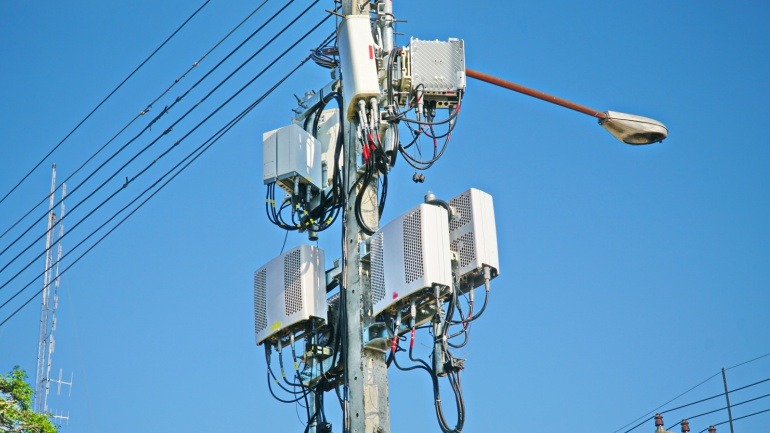
Pakistan’s spectrum auction raised $507 million, charting a new era in telecommunications. Jazz, Zong, and Ufone secured licenses to roll out 5G services. With 480 MHz sold across multiple bands, Jazz emerged as a frontrunner. The policy shift to eliminate right-of-way fees promotes infrastructure growth, expediting 5G deployment.

AT&T’s recent shutdown of its DEI initiatives aims to gain a crucial spectrum deal with UScellular. By acquiring key spectrum bands, AT&T intends to strengthen its competitiveness in the mobile market. This step echoes a broader industry trend, as telecoms prioritize business expansion over diversity commitments, stirring contentious debates.
The GSMA highlights a pressing need for more spectrum to enable 6G network expansion. By the mid-2030s, urban areas might require an additional 2-3 GHz in mid-band spectrum to support burgeoning demands driven by new technologies like extended reality and autonomous vehicles, as well as existing mobile services such as video streaming and gaming.
In a surprising twist, EchoStar has reached a groundbreaking agreement with SpaceX to sell its AWS-3 spectrum licenses for $2.6 billion in stock. As SpaceX acquires these frequencies, the deal boosts its plans to offer direct-to-device services. This development aligns with EchoStar’s strategy to offload spectrum, creating potential VoIP opportunities by possibly enhancing SpaceX’s connectivity solutions in consumer and enterprise markets. Speculation is rampant regarding SpaceX leveraging this acquisition to expand into the cellular market, potentially positioning itself as a significant player. The integration of spectrum with satellite technology further intensifies competition and could revolutionize VoIP services.
SpaceX’s Starlink project has secured provisional approval from UK regulator Ofcom for E band spectrum access, significantly enhancing its satellite network’s backhaul data capacity. This move addresses the UK’s current demand-driven capacity constraints. By utilizing three ground stations, Starlink aims to improve service quality, compete effectively, and optimize costs.
Samsung and SoftBank have joined forces to pioneer next-generation communications technology research, focusing on 6G and AI-driven Radio Access Networks (RAN). This strategic collaboration aims to revolutionize telecom technology by leveraging Samsung’s research expertise and SoftBank’s network deployment prowess. As the industry progresses towards 6G, integrating AI in telecom systems promises enhanced efficiency, user experience, and network optimization.
Malaysia has taken a bold step into the future with the launch of YTL Communications’ 5G Advanced services. As the ninth nation to embrace this cutting-edge technology, Malaysia aims for nationwide 5G Advanced coverage by December. Leveraging Digital Nasional Berhad’s network and Ericsson’s system, YTL is revolutionizing connectivity.
True Corporation’s launch of Dynamic Spectrum Sharing (DSS) in Bangkok revolutionizes spectrum allocation, enhancing both 5G and 4G services. This advanced technology dynamically reallocates the 2.6 GHz band based on real-time demand, optimizing network performance and efficiency.
Virgin Media O2 is expanding its small cell network to Bristol in partnership with Ontix. The initiative, part of a £700 million plan, boosts 4G and 5G capacity in crowded urban areas. Recent spectrum acquisitions from Vodafone will strengthen coverage and support key partnerships.
T Mobile has launched nationwide L4S on its 5G Advanced network, cutting latency and packet loss for cloud gaming, XR, video calls, and remote driving. Built on its standalone core with network slicing, it adapts to real time conditions.