The European Commission has granted approval for the acquisition of MasOrange by French telecom group Orange, a key player in Spain’s communications landscape. This move solidifies Orange’s influence in Europe’s second-largest market, promising enhanced strategic growth. The merger is pivotal in reshaping the telecommunications sector without disrupting competitive balance.
Telefónica’s strategic exit from Mexico, with OXIO acquiring Movistar Mexico, heralds a significant shift in telecom. The rapid $450 million deal underscores a move towards AI-driven VoIP solutions, enhancing network efficiency while maintaining seamless service for over 20 million users. This marks a pivotal change in telecommunications.
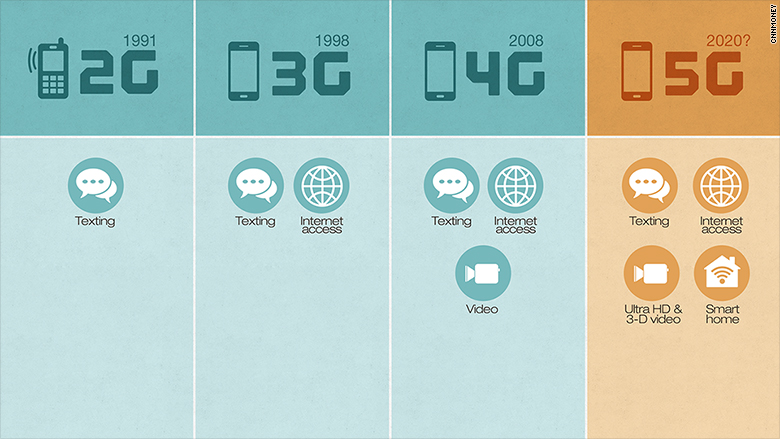
The evolution of 5G networks revolutionizes the digital landscape, facilitating growth and bridging the digital divide. Yet, rising energy demands urge telecoms to prioritize efficiency. Innovative solutions like ZTE’s Super-N platform significantly cut energy use, enhancing sustainability and cutting costs. As 5G demand surges, eco-conscious strategies become vital.
The FCC’s plan to relax satellite spectrum power limits could redefine satellite communications, accommodating modern VoIP and satellite technologies. This shift aims to improve VOIP performance, fostering higher broadband speeds and economic benefits. The changes may invigorate market competition, paving the way for expanded access to high-speed satellite broadband.
Starlink’s recent approach to the Broadband Equity, Access, and Deployment (BEAD) Program has sparked controversy. Criticized for introducing terms that might hinder federal broadband efforts, their strategy has drawn skepticism from the National Telecommunications and Information Administration (NTIA) and state offices. This controversy underscores the critical role of trustworthy providers like Tarana in ensuring dependable VoIP and internet access nationwide.
China’s 5G market is evolving rapidly, moving beyond subscriber growth towards monetization with a focus on high-value enterprise services and industrial applications. As penetration nears saturation, operators aim to extract value from innovative 5G services, IoT connectivity, and premium offerings, presenting lucrative opportunities for growth in this advanced telecommunications landscape.
Deutsche Telekom remains a leader in the VoIP industry, delivering reliable communication solutions amidst global uncertainty. With a strategic presence across Europe and the US, DT provides stability and growth. Their innovative use of AI, such as real-time language translation, ensures superior VoIP services while addressing data privacy concerns.
AT&T is all in on bolstering its support for emergency services with a massive $2 billion investment to expand and upgrade FirstNet, a dedicated public safety network. By enhancing infrastructure in rural areas and integrating cutting-edge 5G technology, AT&T aims to provide reliable communication and coverage, ensuring first responders stay connected.
Ericsson has emerged as the leading partner in a major 5G upgrade for Virgin Media O2 in the UK. They secured a five-year contract for the majority share of this venture, overtaking Nokia’s longstanding position. This ambitious project aims to enhance 5G coverage and network performance, bolstering VMO2’s connectivity goals.
Vodafone Idea is set to amplify its 5G services by expanding into 90 additional cities across India by May 2026, elevating its network presence from 43 to 133 cities. Collaborating with leading vendors like Nokia, Ericsson, and Samsung, Vodafone Idea aims to enhance network performance and competitiveness. Despite financial challenges, the company plans a significant three-year investment to strengthen its 5G infrastructure. With this expansion strategy, Vodafone Idea is poised to better compete in the dynamic 5G landscape, focusing on high-demand areas and leveraging advanced technology to optimize network capabilities.