Nokia and Google Cloud are bringing Gemini-powered AI agents to Nokia Assurance Center, promising faster VoIP network operations, smarter service assurance, and transparent automation. With triage, anomaly detection, remediation, and human-approved controls, operators could cut outage investigations dramatically while improving reliability for telecom, cloud communications, and enterprise voice services worldwide
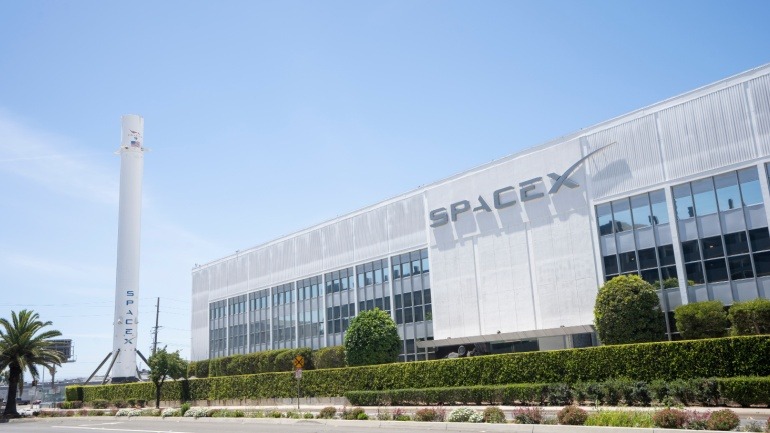
SpaceX’s $60 billion Cursor acquisition could accelerate AI-driven software development across Starlink, satellite broadband, and VoIP infrastructure. For telecom providers, the deal signals faster network automation, smarter coding workflows, and improved service reliability. As AI reshapes communications technology, VoIP operators should watch how SpaceX turns developer intelligence into operational advantage
UK workplaces are embracing enterprise AI, but Glean’s Work AI Index reveals a productivity paradox with big implications for VoIP providers. While AI saves hours in support, network operations, and reporting, botsitting, tool sprawl, and unchecked outputs threaten service quality, compliance, and real telecom business value across modern communications teams.
Telenet is deepening its Netcracker partnership to migrate enterprise customers onto a unified Digital BSS platform, streamlining billing, orders and service orchestration. The move could accelerate VoIP service delivery, improve customer experience and reduce legacy complexity as operators modernize telecom operations for faster, more agile business communications across Belgium nationwide
HiBob’s Slack integration brings HR intelligence into everyday collaboration, showing how VoIP and unified communications platforms are evolving into AI-powered business hubs. By connecting workforce data, workflows, and Slackbot support through MCP, enterprises can reduce app switching, improve decision-making, and build smarter, secure digital workplace experiences for distributed teams today.
Reliance Jio’s IPO is set to reshape India’s VoIP and telecommunications landscape, potentially raising $3.8 billion. The company’s evolution highlights its dominance with over 500 million subscribers since 2016. Expanding into sectors like fibre broadband and AI, Jio’s strong infrastructure makes it a key player in India’s digital economy.
SK Telecom redefines AI by treating agents as digital employees. Through its AX Innovation 2.0 initiative, these AI colleagues feature employee-like IDs and role-specific access. The plan includes deploying AI per employee across 25 SK Group companies, streamlining tasks and fostering innovation with robust security and governance models.
Robinhood’s decision to cut 10% of its workforce reflects a strategic shift in workforce optimization, even amid robust market activity. This move aims to maintain a lean structure, enhancing efficiency without sacrificing performance. Interestingly, Robinhood’s approach does not cite AI as a reason for layoffs, diverging from current corporate trends.
Telecom operators are under pressure to modernize their Business Support Systems and Operations Support Systems in light of 5G and IoT expansion. The traditional, resource-heavy approaches are unsustainable. Celfocus advocates for a strategic AI-driven framework that streamlines integration, driving efficiency and security, crucial for fast-paced digital transformations.
Omantel is spearheading a revolutionary initiative to enhance automation at the Port of Salalah with a managed private 5G network, ensuring seamless connectivity and almost 100% network availability for its operations. This 5G Standalone private core promises to bolster real-time decision-making, setting a benchmark for industrial automation in Oman.