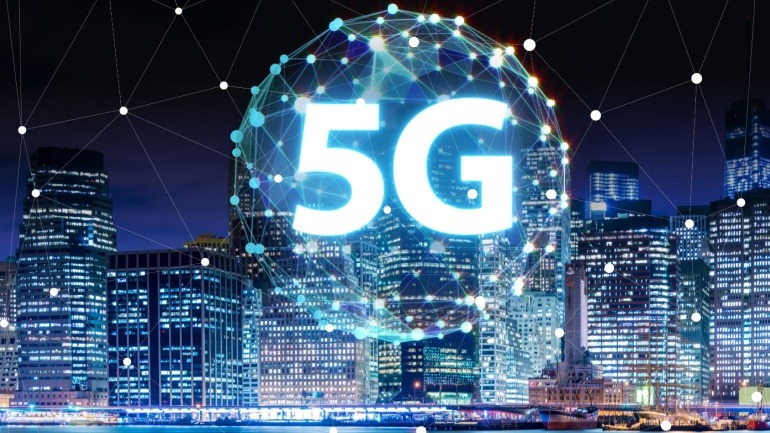
Enterprises across Europe recognize the power of AI and 5G to drive innovation, yet face major hurdles in adoption. Ericsson research reveals that outdated systems, skill shortages, and complex telecom solutions are stalling progress. While the UK leads in optimism and investment, many European firms struggle with rising costs and poor connectivity.

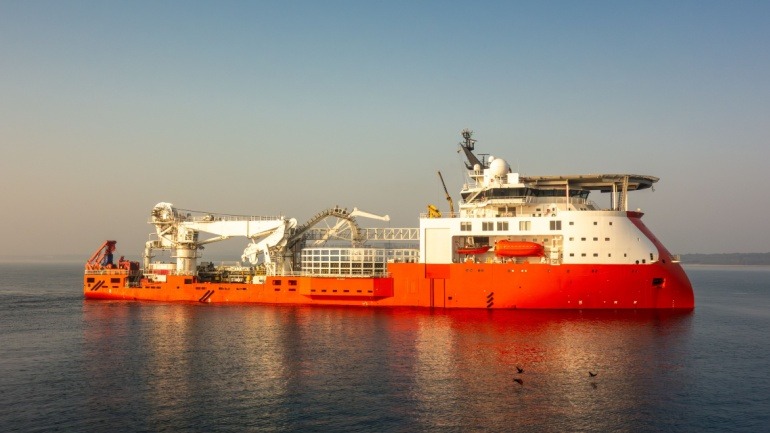
The AAE 2 subsea cable project, led by PCCW Global, Sparkle, Telecom Egypt, and ZOI, aims to connect Hong Kong, Singapore, and Italy through a mix of terrestrial and underwater routes. Designed to boost global data capacity, it offers strategic expansion potential and reflects the growing international push to enhance telecommunications infrastructure and digital connectivity.
Viasat launched its Digital Bus solution in Brazil, partnering with Satélite Norte to bring reliable Wi-Fi to buses via satellite and cellular networks. Tested on routes between Goiânia and São Paulo, the system improves passenger experience, fleet management, and offers new advertising and feedback tools.
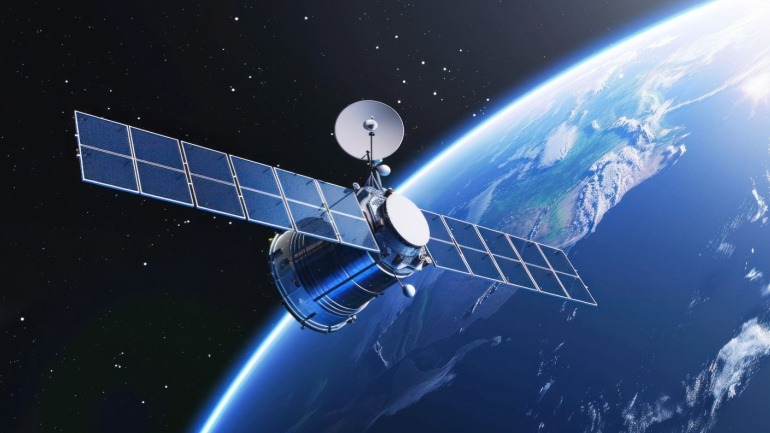
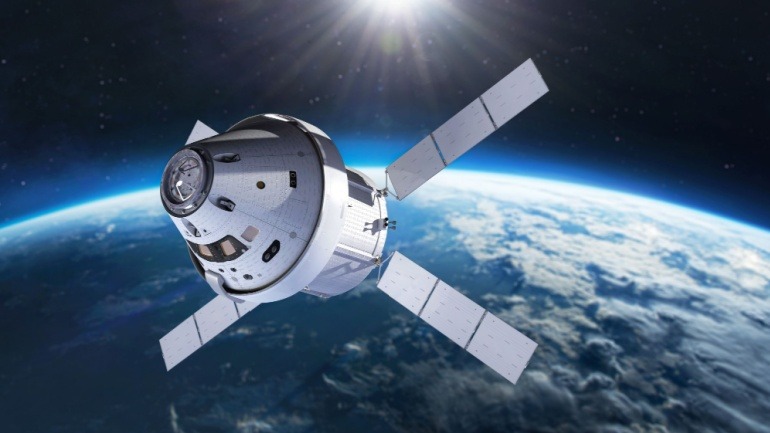
Deutsche Telekom is investing in the EU’s IRIS2 satellite project to build a cutting-edge multi-orbital communication constellation. This initiative will enhance Europe’s digital infrastructure, reinforcing technological sovereignty with advanced IT, secure networks, and 5G.
Five global tech leaders, led by Singapore University of Technology and Design, demonstrated a pioneering satellite-powered 5G network linking Singapore and Japan. This breakthrough proves the viability of space-based communication with terrestrial networks, paving the way for seamless global connectivity.
BT has secured a five-year partnership with DEFRA to connect 34,000 workers and devices across the UK. Using EE’s mobile network and the Shared Rural Network, the project enhances safety, monitors the environment, and supports carbon reduction, helping DEFRA predict weather events and prevent critical incidents in rural areas.
The FCC is advancing new rules for the 37 GHz band to boost mobile capacity and enable shared use for federal and nonfederal users. The updated framework supports wireless innovation, sets stricter emission limits, and introduces nonexclusive nationwide licenses.
Virgin Media O2 is revolutionizing connectivity in Northern UK, emphasizing a sustainable digital future through significant investments and cutting-edge VoIP technology. Their ambitious move promises over 3.4 million connections, delivering gigabit speeds 16 times faster than average, and a robust expansion of their 5G network—bridging gaps in accessibility and digital inclusivity.
Siemens is pioneering a unique solution by selling segments of O2 Telefónica’s public 5G network to water utilities in Germany. By leveraging 5G network slicing, Siemens aims to enhance connectivity for geographically dispersed operations. This strategic move promises efficient, secure integration, vital for the sector’s AI-driven automation goals.
O2 Germany is rapidly expanding its rural 5G network, adding 1,600 improvements and 100 new sites. Now covering over 97% of Germany’s population, the expansion enhances connectivity in both urban and remote areas. O2 aims to boost network capacity and improve service along transport routes.