The evolving D2D satellite connectivity landscape in Europe is transforming mobile services. A recent Omdia report indicates a 22% engagement surge from European mobile operators in this innovative technology. As D2D integrates into existing systems, it enhances coverage, ensuring network resilience. European providers gain a unique edge by enabling direct satellite connections for unmodified smartphones, merging seamlessly with traditional networks.

The telecommunications landscape is transforming with Creator-led MVNOs, engaging niche audiences and enhancing VoIP capabilities. These innovative ventures focus on community identity and reduce marketing costs by leveraging existing brand loyalty. By integrating mobile services into daily behaviors, they create richer offerings beyond traditional data plans, driving telecom industry growth.
The GSMA highlights a pressing need for more spectrum to enable 6G network expansion. By the mid-2030s, urban areas might require an additional 2-3 GHz in mid-band spectrum to support burgeoning demands driven by new technologies like extended reality and autonomous vehicles, as well as existing mobile services such as video streaming and gaming.
Virgin Media O2 will deactivate its 3G network in Durham by April 2025 as part of a UK-wide shutdown plan. Customers with outdated devices are urged to upgrade to maintain mobile services.
BT secures a £1.29 billion contract to enhance the UK’s Emergency Services Network (ESN), reinforcing its role in mobile services for emergency communications. Utilizing 4G, the ESN ensures seamless communication for police, fire, and ambulance services, even in remote areas.
Enreach UK has launched Enreach Contact Anywhere, a Fixed-Mobile Convergence (FMC) solution that integrates fixed-line and mobile services. By using one number and one device, this innovative solution addresses the increasing need for efficient mobile usage within businesses, boosting productivity and simplifying professional communications across various industry sectors.
Deutsche Telekom now operates 12,150 5G antennas across 920 German cities, leveraging the 3.6 GHz spectrum. This expansion enhances mobile services, adding 676 new locations. Around 97% of German households have access to Deutsche Telekom’s 5G network. The company also plans to introduce 5G Standalone in Germany this year.
Hewlett Packard Enterprise (HPE) is joining forces with TELUS to pioneer Canada’s inaugural 5G open radio access network (Open RAN), marking a significant advancement in the country’s mobile connectivity infrastructure. By supplying essential infrastructure across 3,000 locations, this collaboration aims to revolutionize the way Canadians connect, offering faster and more responsive mobile services.
The UK’s communications regulator, Ofcom, has finalized plans to auction off mmWave spectrum for mobile services, with an eye on potential effects a pending Vodafone/Three UK merger might have. This move underscores the regulatory body’s diligent efforts to enhance 5G spectrum allocations, allocating citywide licenses to 68 major UK locations. Despite the anticipated delay due to the merger’s evaluation, Ofcom plans to award licenses on a first-come, first-served basis in less densely populated areas, promising a balanced landscape for both telecom giants and early adopters.
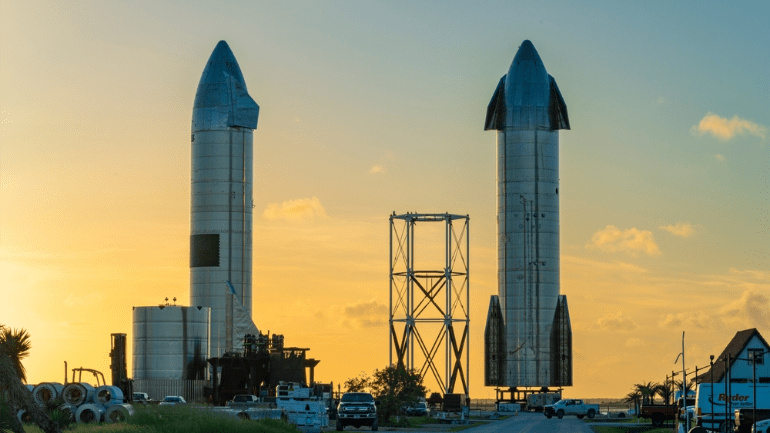
SpaceX’s next Starship flight could boost Starlink broadband with 26 high-capacity V3 satellites, adding massive bandwidth for rural connectivity, mobile service, and future direct-to-device voice. For VoIP providers and users, stronger low-Earth orbit capacity may mean better call quality, lower latency, and expanded satellite internet coverage where fiber cannot reach.