According to Counterpoint’s Market Pulse Service, China’s overall smartphone sales saw a modest 1.5% year-on-year growth in Q1 2024, marking a second consecutive quarter of positive growth. Notably, Huawei experienced a remarkable 69.7% year-on-year increase in market share, solidifying its position in the market. This growth was attributed to Huawei’s successful launch of the 5G-capable Mate 60 series and its enduring brand reputation, particularly in the premium segment priced above $600. In contrast, Apple witnessed a 19.1% year-on-year decline in market share during the same period, partly due to Huawei’s gains in this segment.

Lycamobile, a multinational MVNO hailing from London, is raising serious accusations against T-Mobile, their US network partner since 2012. They cite considerable hurdles in acquiring basic services like eSIM and access to T-Mobile’s 5G standalone architecture. Lycamobile’s stance escalates further; by urging regulatory bodies to halt T-Mobile’s looming acquisitions, they imply an uneven playing field. Meanwhile, T-Mobile, combating allegations of litigation as a diversion, asks that Lycamobile’s claims be dismissed.
Softbank, the Japanese telecommunications giant, is gearing up to bolster its supercomputing capabilities in a bid to support its ambitious generative AI (GenAI) strategy. As reported by Nikkei, Softbank plans to allocate JPY150 billion ($960 million) over the next two years towards upgrading its computing infrastructure, a significant leap from the JPY20 billion invested last year.
A monumental step for Saudi Arabia’s Vision 2030 appears on the horizon as the Public Investment Fund and stc group plan to merge TAWAL and Golden Lattice Investment Company (GLIC). This partnership, expected to have a value of $5.85 billion and annual revenues near $1.3 billion, could be a game-changer in the telecommunications infrastructure domain.
VoIP offers businesses communication advantages, but reliability is crucial. The article explores common issues like bandwidth constraints, latency, and security vulnerabilities. It provides solutions like QoS, firewalls, and UPS systems to ensure a smooth VoIP experience for businesses.
Evidence reveals rising customer dissatisfaction with automated systems in UK businesses, according to a study by Cavell. Chatbots and similar technologies appear to fail in meeting customer service expectations, with 44% of respondents noting a quality slip in service over the past three years. Many UK adults still prefer human assistance in resolving issues, revealing a persistent demand for more personalised, efficient support mechanisms.
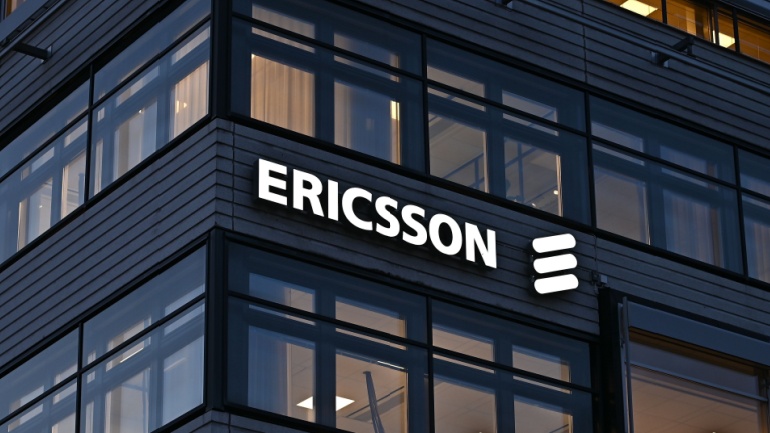
In spite of a 14% drop in sales, Ericsson has reported an impressive expansion in gross margin to 42.7%, largely credited to the resilience of its product portfolio and strict cost reduction measures. Maintaining its market leadership amid economic uncertainties, Ericsson anticipates further shrinkage in the RAN market for the rest of the year.
The demand for data centers is soaring due to edge services and generative AI. Nokia’s first-quarter results showed a 19% drop in sales but a notable 52% profit increase. Telesystem has launched new cybersecurity bundles featuring updated Employee Security Awareness Training. Utility companies are using GIS technology to address infrastructure, workforce, and demand challenges.
Comcast, the US cable giant, is expanding its prepaid Now brand with new fixed and mobile offerings in response to the impending closure of the Affordable Connectivity Programme (ACP). This initiative aims to attract consumers affected by the conclusion of the federal assistance program.
Letta’s recent report underlines the fragmentation faced by the European telecoms sector, with its 27 separate national markets serving a mere average of five million customers. Highlighting the necessity for unification and increased scale for cost-effective innovation, the report aims to strengthen the sector’s competitiveness, fueling new advancements like edge computing and IoT.