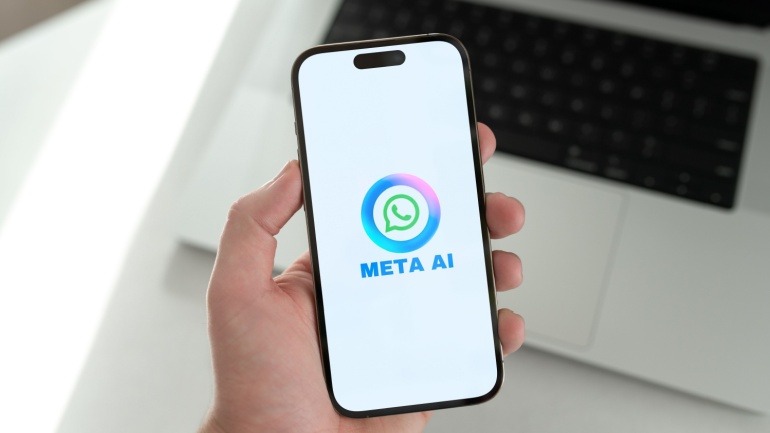
In a recent move, Meta has announced changes to its WhatsApp Business terms, effectively pushing Microsoft Copilot and ChatGPT off the platform by January 2026. This shift compels organizations employing these AI tools to fast-track their evaluation for alternatives, reassess business impacts, and chart migration strategies, lest they consent to a vendor lock-in dictated by Meta AI.
Meta’s decision signifies a more extensive shift beyond platform adjustments. Organizations utilizing Copilot or ChatGPT for efficient operations and quick info access within WhatsApp must now reassess their multi-channel AI strategies and recognize the inherent risks of platform dependency. This policy delineates a critical boundary organizations must grasp. As per a Meta spokesperson speaking to TechCrunch, “The purpose of the WhatsApp Business API is to help businesses provide customer support and send relevant updates. Our focus is on supporting the tens of thousands of businesses who are building these experiences on WhatsApp.”
Despite AI chatbots thriving in the WhatsApp ecosystem, their application as products for internal or value-added services now faces significant disruption. By 2026, Meta AI becomes the exclusive general-purpose AI on WhatsApp, essentially cornering the channel. The dominance of the platform raises serious concerns about vendor dependency. WhatsApp‘s extensive global reach has established it as a leading enterprise communication tool, particularly outside North America. Its prominence in Latin America, India, and Europe makes it indispensable for businesses in those regions.
Tech buyers thus face a strategic conundrum. For organizations heavily reliant on WhatsApp, a switch to Meta AI may appear pragmatic, even if existing AI solutions better meet technical needs. Meanwhile, transitioning to other platforms could disrupt productivity and complicate management during the switch. A systematic approach is advised for organizations. First, identify how heavily reliant current operations are on Copilot or ChatGPT via WhatsApp. Understanding the ramifications of losing these capabilities is crucial.
Thorough testing of Meta AI’s integration, performance, and reliability with current systems is necessary to identify and quantify potential gaps. Next, consider alternative access methods for workflows incompatible with Meta AI. Explore if alternative platforms such as Microsoft Teams or Slack can deploy existing AI solutions, and estimate the potential cost of running dual systems.
Also, tailor strategies according to regional dependency on WhatsApp. The platform’s centrality to operations might require different approaches across various geographic locations, necessitating a flexible strategy. Advance change management planning cannot be overlooked. Success in platform transitions often hinges more on user preparation than technical prowess. Robust communication, comprehensive training, and support are critical before the impending deadline.
This development underscores a key strategic insight: concentrating critical functionalities on one platform elevates risks when market dynamics evolve. Effective adaptation requires leveraging this situation as a chance to bolster AI strategy, vendor management, and platform risk approaches collectively.