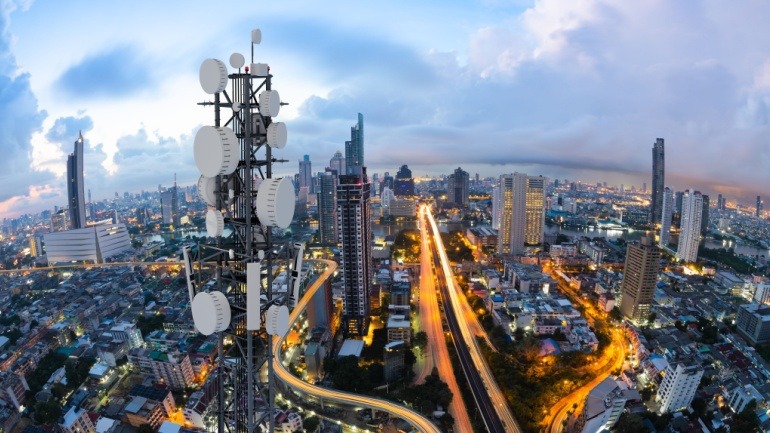
Vietnam’s recent decision to award 5G contracts to China’s Huawei and ZTE marks a noteworthy shift in its telecommunications landscape. This change occurs amidst strained relations with the U.S. due to new tariffs on Vietnamese goods. The decision to embrace Chinese technology raises concerns among Western nations, given the broader security issues associated with Chinese telecommunications firms.
For many years, Vietnam resisted incorporating Chinese technology into its sensitive networks, largely due to pressure from Western allies. However, recent dealings with Beijing have improved, prompting a reevaluation of their partnerships. Despite this shift, companies such as Ericsson, Nokia, and Qualcomm maintain significant roles in Vietnam’s core 5G infrastructure.
Data reveals a series of newly awarded contracts to Chinese firms. In April, Huawei secured a $23 million contract for 5G equipment shortly after the announcement of U.S. tariffs. ZTE added to its successes with antenna contracts exceeding $20 million. How these events correlate with the timing of the new tariffs remains unconfirmed, but it raises alarms in Western diplomatic discussions.
Historically, the U.S. has influenced Vietnam to exclude Chinese involvement in key digital systems. This exclusion is based on national security risks, evidenced by bans on Huawei and ZTE within U.S. networks and similar restrictions in some European countries. As strategic independence defines Vietnam’s foreign policy, the nation balances its relations among major global powers. Companies like Apple, Samsung, and Nike rely on Vietnam’s manufacturing capabilities, which depend heavily on Chinese components.
Nguyen Hung, a supply chain expert from RMIT University Vietnam, claims Vietnam has exercised caution with Chinese tech due to Western influence. However, he implies their strategic priorities necessitate evolving relationships. This includes moving forward with sensitive cross-border projects and signing contracts central to Vietnam’s economic interests.
Despite losing several 5G equipment bids, Huawei continues to provide technical services in Vietnam. In June, the company reached a technology transfer agreement with Viettel, the military-owned provider. Cost-effectiveness was cited as a primary reason for employing Chinese technology, according to an insider at the company.
Western officials have expressed discomfort with the shift in Vietnam’s procurement practices. Concerns linger about network security and the potential challenges for Western contractors collaborating with Chinese firms. As geopolitical shifts continue to shape technological landscapes, Vietnam’s evolving partnerships provide valuable insights into global telecommunication trends.