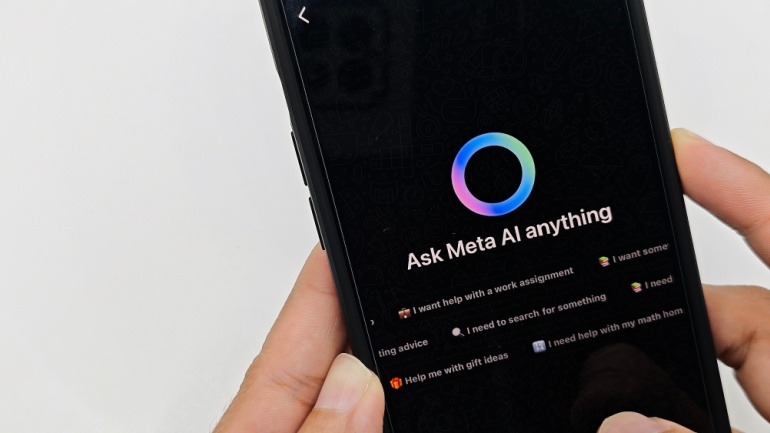
Recently, Meta initiated a new subscription model across its platforms, namely Instagram, Facebook, and WhatsApp. Though it appears to be a monetization effort targeting consumers, this development signifies a substantial transformation in messaging platforms. More than just offering enhanced features, Meta introduces a tiered structure emphasizing compute-based intelligence and paid priority access. This shift redefines how enterprises engage with these popular applications.
Traditionally, enterprises deploy tools sanctioned by their IT departments for communication. However, applications like WhatsApp have organically embedded themselves into organizational workflows globally. Industries ranging from healthcare to retail utilize WhatsApp for its instant messaging capabilities. With the introduction of new paid features under WhatsApp Plus, Meta adds distinct dynamics of governance, risk, and cost considerations.
Sarah Perez of TechCrunch comments, “Meta is doubling down on its subscription offerings.” Now, enterprises must navigate how unofficial channels might evolve to include subscription-based features like custom themes, advanced ringtones, and AI capabilities. The landscape is shifting, and enterprises cannot afford to ignore these informal communication pathways.
At the heart of these changes lies Meta One. This subscription model unveils two AI-focused tiers: Meta One Plus at $7.99 per month and Meta One Premium at $19.99 per month. The premium tier distinctly offers increased capacity for higher computation queries, enabling advanced reasoning for complex tasks. Such capabilities extend beyond ordinary social interactions, branching into computational economics.
Furthermore, the monetization trend in AI by capacity mirrors what enterprises face elsewhere, where paying more secures access to superior models and deeper reasoning capabilities. Meta’s strategy exemplifies an expanding trend in which communication platforms increasingly monetize identity and reach.
For enterprises, these transitions are critical. The advent of paid intelligence, escalating subscription trends, and AI-assisted functionalities add layers of complexity to governance strategies. Organizations are set to deal with increased shadow channel risks, compliance challenges, and budget implications as adoption of these subscription layers transit organically among teams.
The larger ecosystem exhibits a clear pattern; AI has moved from novelty to necessity. The previously free realm of AI is transitioning to tiered access, where basic functionalities remain free while premium options become a paid service. Platforms traditionally reliant on advertising revenue now seek to capitalize on capability, fundamentally altering the communication landscape.
In essence, the changes Meta introduces are not merely administrative adjustments but pivotal shifts affecting enterprise communication strategies. Organizations must recognize these developments, realign governance structures, and accommodate the blurred lines between formal and informal communication methodologies.