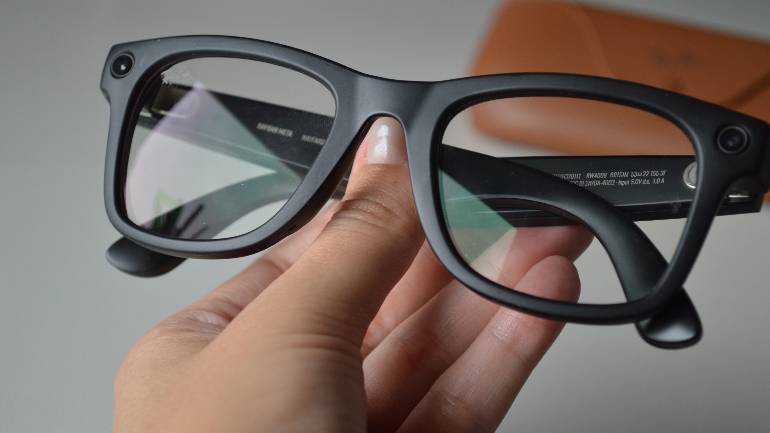
Meta smart glasses are drawing stronger privacy attention across Europe. Regulators now question whether bystanders receive clear warning before recording starts.
The issue matters beyond consumer gadgets. Wearable cameras may enter offices, hospitals, campuses, and service environments. For communications teams, this creates new questions around trust, consent, and workplace policy.
Germany has become the most visible flashpoint. Hamburg data protection commissioner Thomas Fuchs told broadcaster ARD that his office tested Meta’s LED recording light. The authority found it too weak for reliable use in normal daylight.
Fuchs has also discussed possible approaches with Irish counterparts. Ireland plays a key role because Meta has its European headquarters there. That raises the chance of a wider European response.
German privacy rules already set a high bar. Filming someone without consent can breach the law. Smart glasses complicate that rule because recording can happen without obvious movement.
A smartphone usually sends a clear signal. A person raises it, points it, and holds it steady. Smart glasses look like ordinary eyewear, which changes that social signal.
Jakub Zientala, founder of EU public affairs consultancy Ungovern, says regulators should focus on product design first.
“Smart glasses remove that gesture. They look like ordinary eyewear,” he said.
“A person can record while standing in front of you, and nothing in the situation makes that clear.”
That concern does not automatically make smart glasses unusable. They can support hands-free work, remote assistance, training, and field service. Engineers and frontline teams could gain faster access to visual information.
However, the same features can create discomfort in public and professional spaces. People may not know when cameras capture their faces, voices, or surroundings. That uncertainty can weaken confidence in connected workplace tools.
Zientala believes stronger safeguards should come before broad restrictions. The recording light could become brighter and more visible outdoors. Devices could also stop filming if someone covers or disables the warning light.
“The less visible the camera becomes, the more visible the warning must be,” he added.
Other European watchdogs are also watching closely. France’s privacy regulator, CNIL, warned in May about normalising constant surveillance. The warning reflects fears that discreet cameras could reduce everyday privacy.
The Irish Data Protection Commission has already questioned Meta’s warning system. Its engagement helped drive changes, including a larger blinking light. Meta also added measures that make it harder to hide the indicator.
More recently, Irish officials requested details after reports about sensitive footage review. Those reports said contractors in Kenya could view some captured content. Meta says it uses protection measures, including face blurring.
The UK’s Information Commissioner’s Office also contacted Meta in March. It stressed that products using personal data must offer transparency and user control.
For enterprises, the message is clear. Smart glasses need policies as much as innovation. Hospitals, schools, changing rooms, and certain workplaces may require strict limits.
A full ban remains uncertain across Europe. Yet regulators appear ready to define meaningful notice more clearly. The small LED light may no longer satisfy public expectations.