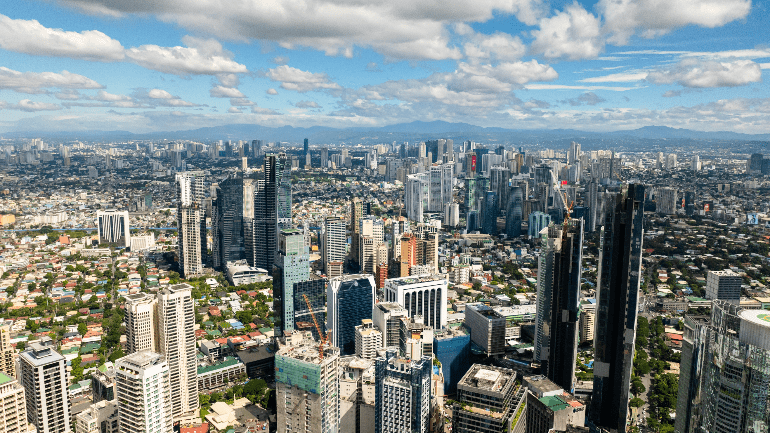
Philippine telecom operators plan a major infrastructure push in 2026.
PLDT, Globe Telecom and Converge ICT have set more than $2.2 billion for capital spending. The funding targets stronger networks, wider fiber reach and better digital access nationwide.
The Philippine Department of Information and Communications Technology sees the commitment as a major confidence signal. It links the spending to national digital transformation and economic growth.
“Crossing the $2 billion mark sends a clear message: the telecommunications industry believes in the Philippines. These investments will translate into more infrastructure, better connectivity, new jobs, and greater opportunities for Filipinos as we continue building a digital-first economy,” Aguda said in a statement this week.
Henry Aguda, DICT secretary, based the figure on operator disclosures and earnings briefings. PLDT plans around 55 billion Philippine pesos, or about $930 million. Globe expects spending below PHP59.4 billion, near $950 million to $970 million.
Meanwhile, Converge ICT expects to spend PHP17 billion to PHP20 billion. If DITO Telecommunity adds its own funding, total spending could reach $2.45 billion.
This investment arrives during a busy policy period. The country is rolling out the Konektadong Pinoy Act. It is also expanding the National Fiber Backbone.
For users, the spending could mean faster broadband and stronger mobile backhaul. It may also improve cloud access, e-commerce platforms and digital government services. For VoIP engineers, better fiber routes can reduce latency and dropped calls.
However, large budgets do not guarantee quick results. Operators still need permits, civil works and local coordination. The Philippines’ geography also adds complexity. Thousands of islands make national coverage expensive and difficult.
Even so, the industry is showing unusual cooperation. PLDT, Globe and Converge recently backed a $500 million domestic submarine cable plan. The companies aim to build new cables, rather than simply add capacity.
That approach could improve resilience between islands. It could also support growing demand for data centers, artificial intelligence and 5G services. If approved quickly, the system could operate before June 2028.
Another key issue is fiber deployment. Globe has supported shared underground conduits for telecom and utility companies. Shared conduits are underground pathways that multiple operators can use for cables.
Froi Castelo, Globe general counsel, said common rules would help operators plan better.
“A common policy for shared use of underground conduit infrastructure will give the industry a common framework for planning, deployment, and long-term management,” said Castelo, who also serves as president of the Philippine Chamber of Telecommunications Operators (PCTO).
The idea could reduce repeated road digging and speed up rollouts. It may also cut fiber theft and accidental cable damage. Yet it requires clear national standards and strong governance.
Globe executive Joel Agustin also highlighted the wider value.
“A unified underground conduit framework can help the country build networks that are more resilient and better equipped to support the Philippines’ growing digital economy,” he said.
The 2026 spending plan now puts execution in focus. The money is significant. The real measure will be reliable service reaching more communities.