The FCC plans to vote on an extra $162 million for Alaska connectivity. The funding would expand mobile broadband in communities still lacking reliable service. It would strengthen the Alaska Connect Fund, which targets the state’s toughest network gaps.
The proposal comes from Brendan Carr, the FCC Chairman. It supports his push to close the digital divide. That divide remains severe in Alaska, where terrain and distance drive up deployment costs.
Under the plan, mobile providers would apply for the additional money. The FCC would distribute funds to selected Alaska Connect Fund participants. These operators would then expand next-generation mobile service into unserved areas.
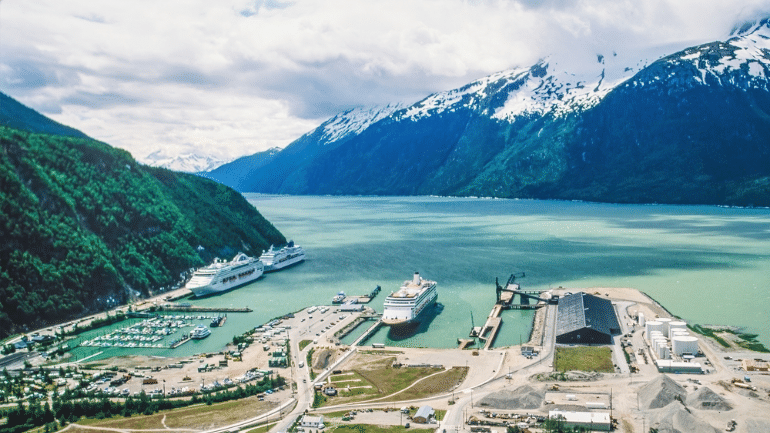
The money would come from the Universal Service Fund. This fund supports communications access in expensive or underserved markets. In Alaska, that mission often means building across mountains, forests, islands, and remote villages.
The FCC calls this support “high-cost funding.” In simple terms, it covers areas where normal business economics often fail. Many communities have too few customers to justify private investment alone.
This funding could bring major benefits to rural Alaska. Better mobile broadband can support telehealth, education, safety, and local businesses. It can also improve emergency response in areas with limited infrastructure.
However, the proposal also raises difficult questions. Public funding must produce real coverage, not just future promises. The application process must set clear targets and strict milestones. Otherwise, remote communities may wait years for visible progress.
The FCC also plans a two-year extension of Alaska Connect Fund Mobile Phase I. That extension would help providers continue current work. It may also reduce service disruption during the program transition.
The broader Alaska Connect Fund starts in January 2027. It replaces the older Alaska Plan, launched to improve rural communications. The newer program will provide $203.8 million each year to fixed and mobile providers.
That support will run through 2034. It aims to deliver predictable funding for long-term network planning. Operators often need that certainty before investing in remote builds.
Still, funding alone will not solve every challenge. Alaska deployments require skilled labor, logistics planning, power access, and durable equipment. Harsh weather can also slow construction and increase maintenance costs.
The FCC will also direct staff to hold stakeholder roundtables. These discussions should include providers, local leaders, and community representatives. Their input can help align funding with real local needs.
For telecom engineers and policy watchers, this vote deserves close attention. It shows how universal service policy is evolving. It also highlights mobile broadband’s growing role in national infrastructure planning.