Amazon is reportedly in discussions with Globalstar, aiming for a $9 billion acquisition of the satellite operator. This move is surprising, particularly as SpaceX was previously considered to be the lead contender in acquiring Globalstar. At SATShow 2026 in Washington, initial rumors surfaced, and soon after, major news outlets confirmed Amazon’s involvement in the negotiation process.
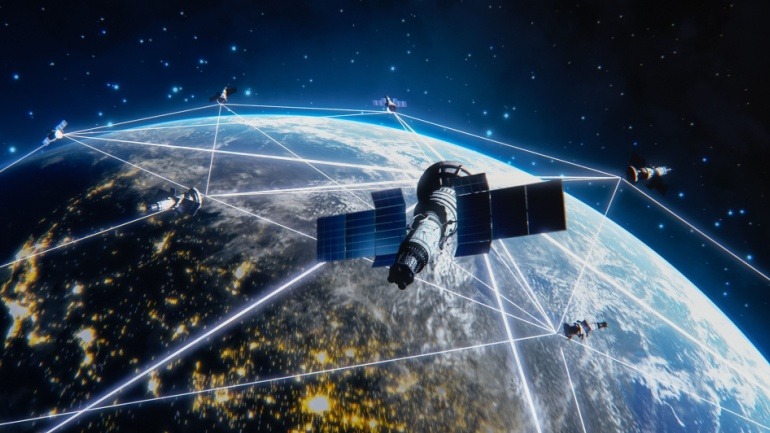
If Amazon succeeds, it could transform its strategic landscape significantly. Globalstar’s existing partnerships, especially with Apple for their emergency direct-to-device service, offer a robust foundation for any acquiring company. Additionally, Globalstar holds valuable spectrum assets and plays a critical role in direct-to-device connectivity, especially important with the increasing prominence of Low Earth Orbit (LEO) satellites.
The competitive bid by Amazon highlights its ambition to control more spectrum and strengthen its operational capabilities. Currently, Globalstar’s services focus on emergency messaging, but with Amazon’s robust financial backing, expansion within the satellite sector could be fast-tracked.
SpaceX’s Starlink, aiming at similar market crossovers with its mobile service, could be notably impacted. Starlink has previously aimed to leverage its LEO constellation to enhance partnerships with major smartphone ecosystems, something that would be easier with Globalstar in its portfolio.
For Amazon, access to Globalstar’s network capabilities and its relationships, notably with Apple, are strategic priorities. According to market analysts like Luke Pearce of CCS Insights, this deal could give Amazon necessary direct-to-device market entries without significant delays.
There are challenges to this acquisition. Regulatory hurdles and the need to negotiate with Apple, which holds a significant stake in Globalstar and uses most of its network capacity, introduce complexity. Operational dependencies and stakeholder alignment are crucial for smooth proceedings.
Roger Enter from Recon Analytics notes how this deal would push Amazon’s connectivity agenda while simultaneously nurturing a fruitful relationship with Apple. This could facilitate Amazon’s tech ambitions and provide it a competitive edge over competitors like SpaceX in the telecommunications landscape.
Navigating regulatory landscapes for spectrum ownership and deployment could pose potential delays. However, the promise of enhanced connectivity, faster internet services, and direct competition with Starlink paints an optimistic future for Amazon and Globalstar, if the deal finalizes.
Interestingly, as this acquisition discussion continues, industry eyes are on how Amazon will execute plans post-acquisition and whether it will engage in further strategic acquisitions like targeting AST SpaceMobile to fortify its satellite ambitions. Strategic acquisitions could define the company’s pace in adapting to the rapidly transforming commercial space environment.