

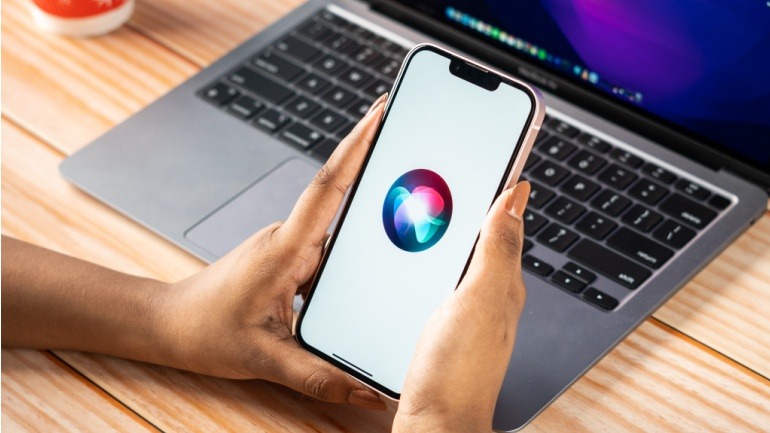
Apple‘s recent keynote at the Worldwide Developer Conference (WWDC) 2026 marked a turning point for its technological ambitions. Highlighted by the integration of Google’s Gemini-driven AI models, Apple’s revamped Siri is no longer simply following the trends but setting new standards for smart assistants. The update aims to create smarter workplaces by embedding deeper AI functionalities throughout Apple’s productivity suite. This move toward enhancing productivity through technology aligns with Apple’s mission to make its products both helpful and intuitive, as stated by Craig Federighi, Apple’s Senior Vice President of Software Engineering.
The collaboration with Google stems from a pressing need to enhance Siri’s capabilities, suggesting Apple’s acknowledgment of the competition. Siri AI, as introduced, promises a more interactive and contextual experience. It captures the essence of modern AI assistants by maintaining conversations, responding to context-dependent queries, and acting intuitively on user prompts. Such enhancements align Apple with the organizational needs that businesses expect from a flagship assistant, similar to Microsoft’s innovations.
The integration is seamless across multiple Apple devices, from iPhones to the futuristic Apple Vision Pro. This consistency allows companies with a significant presence of Apple devices to maintain a unified technology ecosystem, aiding in management and reducing reliance on third-party solutions. However, the absence of Siri AI in the EU’s iPhone and iPad versions due to the Digital Markets Act represents a crucial gap that European businesses will need to account for in their tech strategies.
Another notable advancement is Apple’s refinement of the Shortcuts app in iOS 27. It reduces complexity by enabling users to describe automation tasks in plain language. This simplification removes barriers that previously limited app usage to tech-savvy individuals and extends productivity tools to a broader audience without requiring deep technical knowledge. It offers businesses the potential to streamline tasks and enhance workflow efficiencies through self-service capabilities.
Beyond AI, iOS 27 introduces efficiency improvements that benefit organizational productivity. Enhancements such as faster app launches and file transfers, alongside upgraded search capabilities, cater to companies managing large-scale Apple device fleets. Most notably, even older devices like the iPhone 11 will see performance gains, giving businesses more flexibility with their device refresh cycles.
In a bid to tackle enterprise security issues, a particularly pertinent update includes Apple Intelligence’s ability to recognize weak passwords and allow updates with minimal user intervention. This feature tackles the pervasive enterprise security challenge of weak credentials without necessitating behavioral shifts from users, an aspect where many security initiatives often fall short.
This ambitious release underscores Apple’s commitment to embedding AI throughout its product offerings, making it an integral part of daily operations. As iOS 27 prepares to roll out, it signals a future where Apple products not only adapt to user needs but transform the user experience by removing friction and enhancing productivity, both key components for organizations in the digital age.


