The UK’s analogue phone network is entering its final months. The PSTN switch-off is scheduled for 31 January 2027.
Yet millions of landline users still lack clear guidance. New research from Community Fibre suggests a major awareness gap remains.
According to the survey, 45% of people do not fully understand the next steps. They need those steps to keep phone services working after the migration.
Meanwhile, 53% of respondents who have not switched have taken no action. This matters because the change reaches beyond traditional home phones.
The Public Switched Telephone Network supports many familiar analogue services. These include telecare alarms, emergency pendants, security systems, and some payment terminals.
Only 12% of respondents checked whether connected equipment would still work. That creates clear risks for vulnerable users and dependent households.
Almost a quarter said they, or someone they know, uses a telecare alarm. Those devices could fail without proper testing or replacement.
The move to digital voice can bring better service integration. It also aligns fixed voice with modern fibre broadband networks.
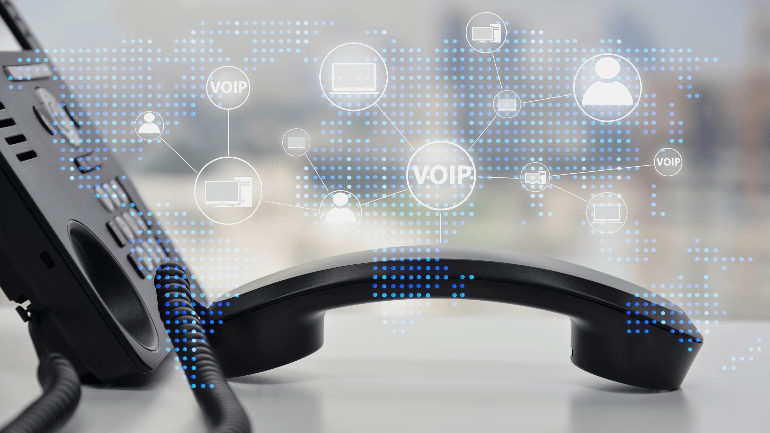
Digital voice, often delivered through VoIP, can support flexible features. These include simpler provisioning, remote management, and improved service updates.
However, users must understand the operational differences. Digital voice usually needs broadband and power to function.
That creates concerns during outages, especially for emergency calling. Operators must therefore communicate backup options clearly and early.
The research shows why this matters. Some 49% of respondents see landlines as important during emergencies.
More than a third said landlines offer peace of mind. Another 36% rely on them when mobile signal is poor.
This shows the landline still plays a practical role. It remains important despite wider mobile adoption.
Nearly half of respondents did not know other devices could be affected. They learned this only after taking part in the survey.
Among those lacking confidence, 47% said they had not seen enough information. Another 33% felt confused about required changes.
Peter Rampling, broadband expert at Community Fibre, said: “The switch from analogue to digital phone services is a nationwide change that is affecting millions of households. But unfortunately, many of those needing to switch may not be offered the best available full fibre service by their existing provider, so it’s important to explore what else is out there before committing.
“Whether you’re sorting your own line or helping someone else to do it, shopping around and switching provider makes absolute sense during a cost-of-living crisis and can save money and effort in both the short and the long run.”
The message for telecoms providers is clear. Education must move faster than the technical migration.
For consumers, the next step is simple. Check every device connected to the phone line.
Then confirm upgrade plans with the provider. Households should also compare fibre and digital voice options before committing.