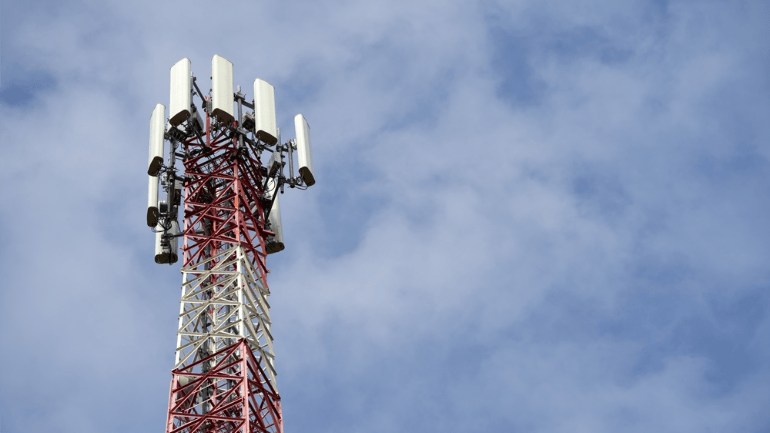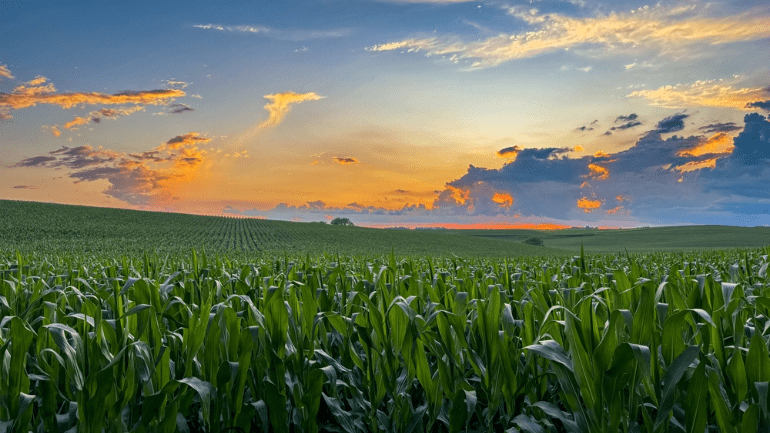
The FCC has turned Iowa farmland into a major wireless test site. Its Office of Engineering and Technology named Iowa State University’s ARA platform an Innovation Zone.
The decision gives researchers five years of experimental spectrum access. The zone covers Ames, nearby farmland, and areas around Boone. It also includes two municipal airports, which support drone testing.
The ARA testbed focuses on rural connectivity and agriculture. That makes it different from other advanced wireless platforms. Most testbeds study dense cities, campuses, or industrial networks.
“We are making room for innovation through research and development in rural wireless technologies,” FCC Chairman Brendan Carr said. “By building on the work already underway at Iowa State, we can supercharge experimentation in precision agriculture that leverages the technology of today and tomorrow, whether it’s 5G, 6G, or drones.”
The designation opens access to several frequency ranges. These include TV bands, mid-band spectrum, drone control bands, and millimeter wave blocks. Researchers can test radios, sensors, drones, and farm machines under real conditions.
This matters because modern farms now generate huge data volumes. John Deere machines already include hundreds of sensors and many onboard processors. Some systems use cameras to identify weeds in real time.
That capability changes farming, but it also stresses rural networks. A single sprayer can create gigabits of raw image data each second. Today, machines reduce most of that data locally.
That approach saves bandwidth and keeps operations moving. However, it limits deeper analysis after fieldwork. Farmers could gain more insight if networks carried richer data reliably.
John Deere executive Than Hartsock described one current limitation clearly. “We don’t enable that today because it’s a little too much data.”
The FCC zone could help close that gap. It gives universities, vendors, integrators, and public agencies room to test systems. External partners can bring their own devices and trial unusual spectrum uses.
Still, rural wireless faces difficult economics. Farms need coverage across large areas with few users. Operators must justify investment where revenue may arrive slowly.
There are also technical hurdles. Agriculture needs dependable service at the exact working moment. Coverage alone will not satisfy autonomous machines or precision tools.
Hongwei Zhang of Iowa State stressed this point. Farms need “predictable assurance of whatever quality, throughput, latency and reliability guarantee that’s made by the individual applications.”
That idea should interest telecom engineers. Rural networks must support mobility, reliability, drones, and seasonal traffic peaks. They must also work where fiber and towers remain limited.
The Innovation Zone will not solve every rural broadband problem. Yet it creates a practical place to test better answers. It links spectrum policy with real machines and real fields.
For telecom, Iowa now offers more than a rural trial. It offers a preview of future connectivity demands. The farm may become one of wireless technology’s toughest proving grounds.