SES and JioStar have signed a multi-year satellite distribution agreement for India. The deal covers JioStar’s television channel portfolio across the Indian sub-continent.
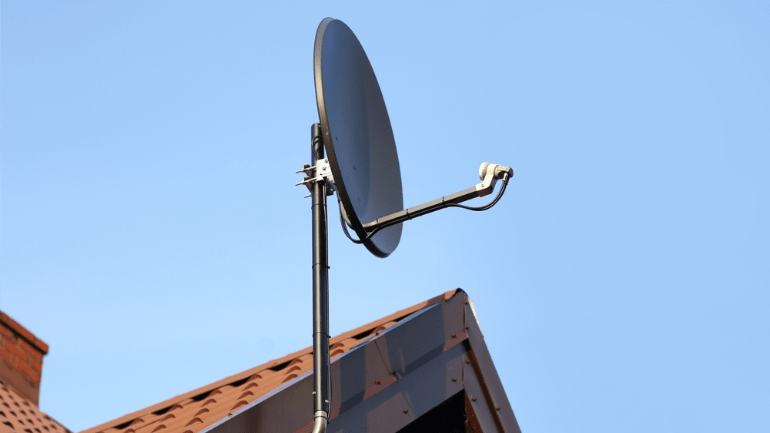
Under the agreement, SES will use its IS-20 satellite to support channel delivery. The platform will serve cable, DTH, and broadcast distribution networks. That gives JioStar wider reach across cities, towns, and remote communities.
The arrangement arrives as media distribution keeps shifting toward hybrid delivery models. Streaming continues to grow at speed. Yet satellite remains vital for large-scale television broadcasting. It delivers one signal to many sites at the same time.
For operators, that model still carries strong commercial value. Satellite can reach regions where fiber is limited or expensive. It also offers backup when terrestrial networks face disruption. This matters during storms, power issues, or network outages.
JioStar also gains access to an established video neighborhood. In satellite terms, this means many broadcasters already use the same orbital position. As a result, receiving networks know where to point equipment. That can simplify migration and reduce operational friction.
The IS-20 satellite supports both C-band and Ku-band services. C-band often suits wide-area broadcast coverage. Ku-band can support more focused services and smaller antennas. Together, they give broadcasters more delivery options.
SES also highlights the satellite’s digital payload. Put simply, this is the onboard system that handles signal routing. It helps improve flexibility and resilience for customers. That can support changing broadcast and connectivity requirements over time.
However, satellite distribution does not remove every challenge. Capacity costs can remain significant for media groups. Rain fade can affect some Ku-band services in heavy weather. Broadcasters also face rising competition from broadband video platforms.
Even so, linear television still serves millions of households. In markets with diverse geography, satellite keeps a strong role. India’s scale makes this especially important. A unified satellite feed can support many local distribution partners.
For telecom and broadcast engineers, the deal reinforces a familiar lesson. Modern networks work best when multiple delivery paths cooperate. Fiber, IP streaming, and satellite each solve different problems. The strongest architectures often combine them.
The agreement also strengthens SES’s position across South Asia. The company already serves broadcasters, telecom operators, governments, and media firms. Adding JioStar deepens its relevance in a high-demand video market.
Ultimately, this deal shows that satellite still matters. It may no longer stand alone in video delivery. But it remains a powerful tool for reach, reliability, and scale.