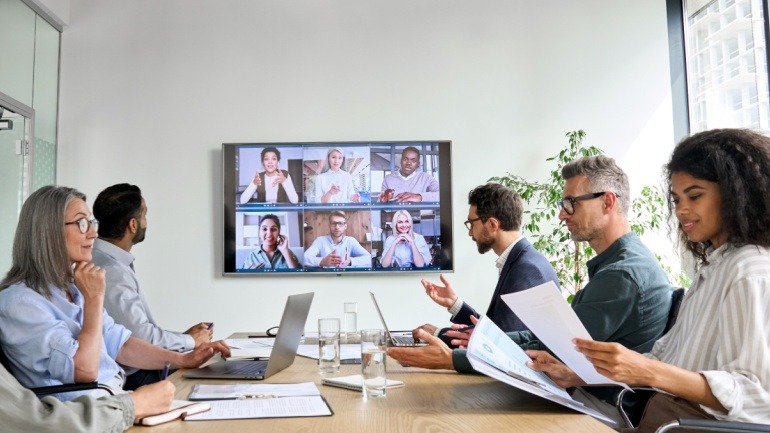
Meetings now carry a heavier role in workplace connection. New research from Kahoot! shows a clear shift. Hybrid work and digital channels have reduced casual office conversations. As a result, scheduled meetings often become the main shared space.
The study surveyed 4,000 office workers. It found that employees now use meetings for more than task updates. They also rely on them for social contact, trust building, and team alignment.
This trend matters for Unified Communications leaders and IT teams. Collaboration platforms connect people instantly. Yet they do not always create meaningful relationships. Messaging apps support fast decisions, but they can feel narrow and transactional.
Meanwhile, the old “watercooler” moment continues to fade. These informal chats once helped teams share ideas naturally. They also helped colleagues understand each other beyond project deadlines. Without them, workplace culture can feel thinner and more fragmented.
Meetings can help close that gap. A short check-in before business starts can improve engagement. It can also make people more willing to contribute. For distributed teams, this small ritual may carry real value.
However, meetings cannot replace every spontaneous conversation. Too many scheduled sessions can create fatigue. They can also reduce focus time. If leaders expect every meeting to deliver work and connection, agendas may become overloaded.
Andrew Tiscoe, Commercial Excellence at Kahoot, captured the challenge directly:
“We are more “connected” than ever, yet communicating less than ever.
The data is clear: hidden behind messaging apps, workplace trust and performance are taking a hit. If you want better business results, you have to equip leaders to build actual human connection.”
The findings also reveal a workplace tension. Employees want stronger relationships with colleagues. At the same time, many protect personal boundaries more carefully. This makes natural friendship harder to build during the working day.
Younger workers appear especially affected. Gen Z employees report higher levels of workplace disconnection. They also show a stronger desire for closer colleague relationships. That combination creates pressure for managers and team leads.
For technology buyers, the message is practical. Tools alone will not solve the connection problem. Video, chat, and meeting platforms need thoughtful usage. Leaders must design meetings with people, not only tasks, in mind.
Some companies now add polls, informal prompts, and interactive segments. These features can support participation and reduce silent attendance. They also help remote employees feel more visible.
Still, culture remains the bigger issue. Organisations need space for informal exchange beyond formal meetings. That may include virtual lounges, team rituals, or occasional in-person gatherings.
Ultimately, the workplace has not become less connected technically. It has become less connected socially. Meetings now sit at the centre of that change. The next challenge is making them human, useful, and worth attending.