Telecom integration has returned to the center of industry strategy.
Satellite, terrestrial mobile networks, private 5G, and Wi-Fi now move closer together. This shift matters most in industrial markets. Yet it also changes consumer connectivity, especially where satellite reaches remote users.
In Europe, the IRIS² satellite program has gained new momentum. The European Commission and the SpaceRISE consortium revised the project schedule. The group is led by SES, with support from Eutelsat and Hispasat.
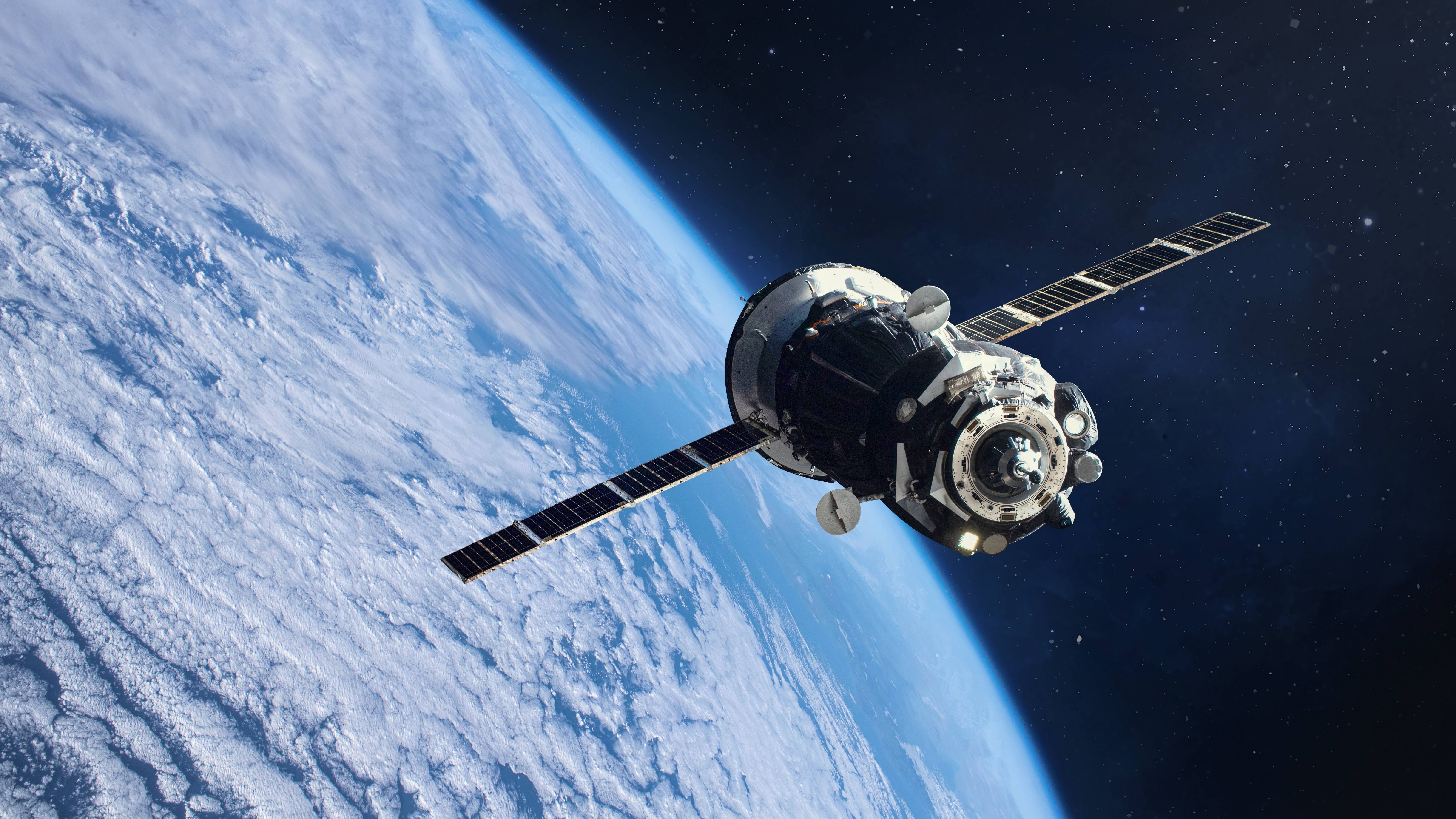
The plan now targets 330 low Earth orbit satellites. It also includes 18 medium Earth orbit satellites by 2029. Another 66 higher-orbit satellites will support defense, security, and emergency services.
This gives Europe more control over critical communications. The project aims to deliver 60% more secure government capacity inside the EU. It also targets 54% more capacity worldwide.
However, IRIS² will not replace terrestrial operators. It will support them during disruptions, emergencies, and coverage gaps. That makes integration the real challenge. Satellite systems must connect smoothly with ground networks and service platforms.
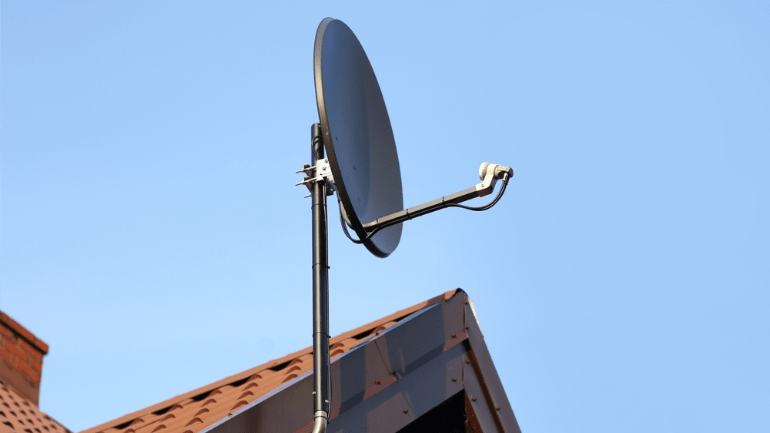
Meanwhile, Starlink continues to push the market forward. The SpaceX satellite business reported $4.3 billion in revenue. That figure rose 66% year over year. It also added 1.7 million net new customers last quarter.
Starlink has also gained more spectrum capacity. Its mobile service plans could improve strongly by 2027. The company also floated the idea of adding small cells to ground dishes.
That idea has drawn both interest and caution. Small cells could add local capacity near demand hotspots. Satellite could then cover the hardest areas. Together, they form another hybrid network model.
Industrial users already see clear value in this approach. Remote mines, oil and gas sites, ships, and construction areas need reliable links. Satellite backhaul can connect private networks where fiber is unavailable.
One industry comment captured this momentum clearly: “We are seeing it in mines, and also in new construction sites – especially with this data-center boom. We are seeing it in remote oil-and-gas, and early demand in ships and shipping terminals in the maritime sector… We’ve been surprised [at the backhaul capacity]. We are running remote oil and gas rigs with full voice and video comms over it, and it’s operated without glitches. I mean, I now look at whether the plane has Starlink before booking the flight.”
Still, satellite mobile service faces real limits. Indoor coverage remains difficult. Urban traffic density creates heavy capacity pressure. Spectrum access also shapes performance. Link budgets, or signal strength limits, matter greatly.
Therefore, satellite should complement mobile networks, not displace them. It can serve dead zones, remote sites, and resilience needs. Terrestrial networks still handle dense cities and indoor mobility better.
The next phase depends on practical integration. Operators, regulators, and vendors must align technical and commercial models. In that sense, convergence is not a slogan. It is becoming the operating model for modern telecom networks.