SpaceX has set a new timeline for its mobile satellite ambitions. The company now expects smartphone services in the first half of 2028.
The plan centers on Starlink direct-to-device service. It aims to connect standard smartphones through low-Earth orbit satellites. SpaceX describes the target as a full 5G-quality mobile experience.
At Goldman Sachs’ Communacopia + Technology Conference, CFO Bret Johnsen rejected claims that mobile distracts SpaceX. The company still invests heavily in satellite broadband and AI infrastructure.
“We’ll be able to turn on a service that’s completely differentiated from anything out there,” he said.
However, the new schedule marks a delay. SpaceX previously pointed to late 2027 for commercial availability. The company now needs more time to launch its next satellite generation.
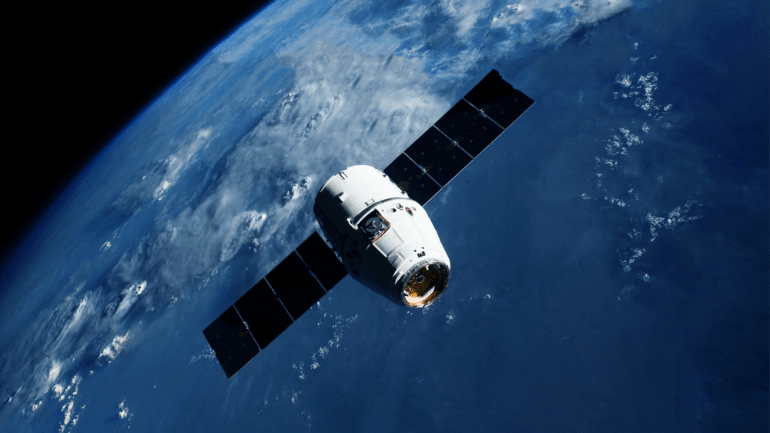
This service depends heavily on Starship. The reusable rocket must carry the new direct-to-device satellites into orbit. SpaceX plans to start deploying those satellites next year.
The company already uses Starship for larger Starlink broadband satellites. Johnsen said an upcoming launch would carry production V3 satellites. The direct-to-device models will build on that platform.
Still, SpaceX has not settled its full network strategy. It acquired midband spectrum from EchoStar. Johnsen said the spectrum supports both space and terrestrial service.
“We’ve got the spectrum where we can go turn on service … And it has direct-from-space and terrestrial capability already FCC approved. So if we need to, we can stand up terrestrial solutions to put the terrestrial piece in place, too, or we could work with existing carriers. We’re open to a lot of different ways to do it, but we’re marching down that path in the US,” he said.
That flexibility gives SpaceX several paths. It could build terrestrial assets. It could also partner with existing mobile operators. Yet major US carriers show little interest in that model.
Meanwhile, industry doubts remain strong. Executives from T-Mobile, Verizon, and AT&T questioned the plan last week. They argued satellites cannot match dense terrestrial networks.
T-Mobile CFO Peter Osvaldik said “the physics just don’t allow direct-to-cell to be a substitute product.”
That concern focuses on capacity and indoor coverage. Satellites can reduce dead zones across remote areas. They may also support roaming across borders and oceans. Yet urban mobile traffic needs deep network density.
Johnsen pushed back against the carriers. He said the wireless industry “just hasn’t innovated for decades.”
SpaceX wants to change that perception. It sees satellite mobile as more than emergency texting. It wants a mainstream service with broad coverage and competitive pricing.
For telecom engineers, the question is execution. SpaceX needs satellites, spectrum, devices, and ground integration. It also needs a credible urban coverage plan.
The ambition is large and potentially disruptive. But until Starship scales launches, the market will keep waiting.