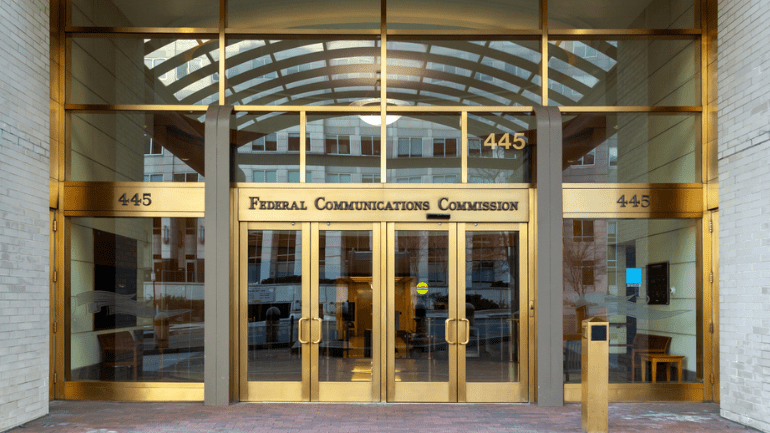
The FCC has repaid a $3.08 billion loan to the US Treasury. The money supported its rip-and-replace program for telecom networks.
Yet several smaller carriers still cannot finish the job on time. They must remove Huawei and ZTE equipment from their systems. They also need to replace and dispose of that gear.
This month, the agency granted deadline extensions to four more providers. Copper Valley Wireless, Country Wireless, NfinityLink Communications, and Velocity Communications received extra time. Their new deadlines range from two to six months.
The program aims to reduce national security risks in communications networks. It gives carriers a path to replace restricted equipment. For rural providers, that support matters. Many lack the cash reserves of national operators.
However, the process remains difficult. Supply chains still delay equipment deliveries. Skilled tower crews remain scarce in some markets. Remote locations also add cost and complexity.
The FCC said approvals depend on closer progress reporting. It wants proof that carriers will complete remaining work. The agency previously said it expects recipients to finish without further delays.
Copper Valley Wireless pointed to Alaska shipping challenges. It still needs two packet data network gateways. These systems support the core network and help move mobile data.
Country Wireless faced a labor problem. Its certified tower crew withdrew from scheduled work. A replacement crew cannot begin until September 2026.
NfinityLink Communications reported a ransomware attack and equipment delays. The cyberattack pushed its schedule back by six weeks. It also faced late delivery of generators and backup power systems.
Velocity Communications cited another market shortage. It uses cells-on-wheels for part of its replacement network. Demand from broadband projects has limited availability.
The situation shows a wider tension in telecom policy. Security rules can move faster than field operations. Network replacement work needs hardware, labor, permits, and cash flow.
For operators, reimbursement timing creates another pressure point. They must remove, replace, destroy, and then submit claims. That sequence can strain smaller carriers.
Tim Donovan, president and CEO of the Competitive Carriers Association, captured the industry’s mood. He told Light Reading he will be “smiling from ear-to-ear when I never have to say rip-and-replace again.”
He also urged policymakers to improve payment speed. “We need to find ways to make the fund administrator more efficient. There’s a lot of funds that have been submitted and that are in holding patterns. We’re all for making sure that we’re protecting the fund against waste, fraud, and abuse. But at some point, you also need to make sure that things are moving forward,” he said.
The program has gained financial stability after the loan repayment. Still, operational barriers remain real. For rural mobile and 5G providers, the final stretch may prove the hardest.