Europe’s telecom sector faced a sharp reminder of its mixed priorities this week. Operators must defend networks, expand fiber, and keep customers connected during crises.
The most serious incident came from Ukraine. Kyivstar said a Russian drone strike damaged its engineering office on Friday. The operator reported no employee injuries. It also said the network kept running normally.
In a statement, the company said: “The safety and well-being of Kyivstar’s people remain our highest priority. Kyivstar’s network continues to operate normally, and we remain fully committed to providing uninterrupted services to our customers.”
That message matters far beyond Ukraine. Modern operators now plan for war, cyberattacks, power cuts, and supply disruption. Network resilience has become a core business duty. It no longer sits only inside emergency planning teams.
Meanwhile, Spain’s ESpanix moved to strengthen its cyber defenses. The Internet exchange selected Nokia Deepfield Defender for protection against DDoS attacks. These attacks flood networks with fake traffic. They aim to overwhelm services and cause outages.
Nokia says its platform detects attacks within seconds. It also removes harmful traffic while keeping normal data moving. This approach helps avoid external “scrubbing centers.” As a result, ESpanix can keep traffic and security control inside Spain.
However, local protection still demands strong operational skills. Tools help, but teams must tune them carefully. Poor filtering can block real users. Weak processes can delay response during fast-moving attacks.
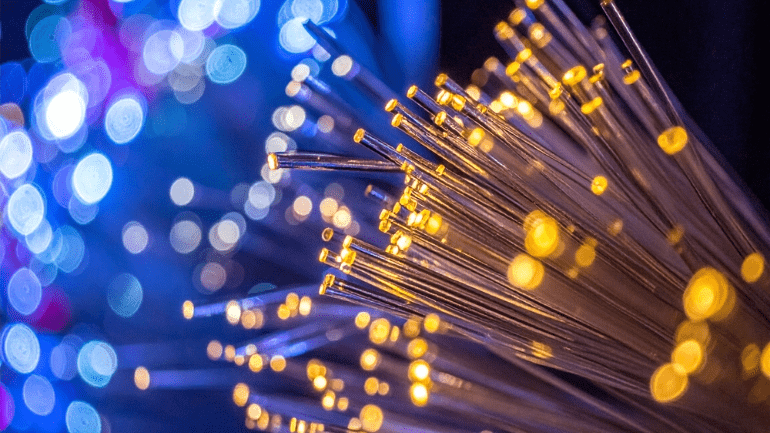
France offered a more positive infrastructure story. Regulator Arcep reported that over 95% of households can now order fiber. Still, 2.1 million homes remain outside full coverage. That gap matters for rural users and smaller communities.
The country also continues its shift away from older ADSL broadband. By June, 90% of fixed broadband users had ultrafast connections. Fiber-to-the-home made up most of that total. Yet the decline in classic broadband slowed during the second quarter.
In South Africa, Cell C faced a different challenge. The operator confirmed a data breach linked to a third-party provider. The exposed information included names, email addresses, mobile numbers, and account numbers.
This breach highlights a growing telecom risk. Operators often secure their own systems well. But partner networks can still create weak points. Customer trust depends on the whole supply chain.
Elsewhere, Luxembourg-based SES completed its O3b mPower satellite constellation launch. The final three satellites flew aboard a SpaceX Falcon 9 from Florida. SES expects the medium-Earth orbit network to enter service by mid-2027.
Finally, UK regulator Ofcom launched a portal for broadband and mobile switchers. It says many out-of-contract customers could save more than £100 yearly. For operators, this increases pressure to improve value and loyalty.