U Mobile has tested a portable solar-powered 5G site in East Malaysia. The project targets places where normal mobile infrastructure remains slow to deploy.
The operator worked with ZTE on the proof of concept. Tests took place at SK Mentu primary school in Sebuyau, Sarawak. A second site served Balai Kebudayaan Iburu community hall in Sipitang, Sabah.
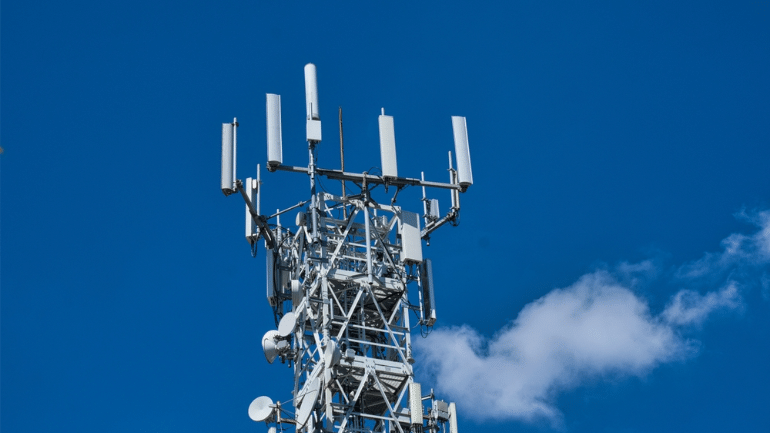
Instead of a traditional tower, each site used a 12-meter lightweight pole. The sites supported both 4G and 5G services, depending on setup. During live tests, download speeds reached up to 134 Mbit/s.
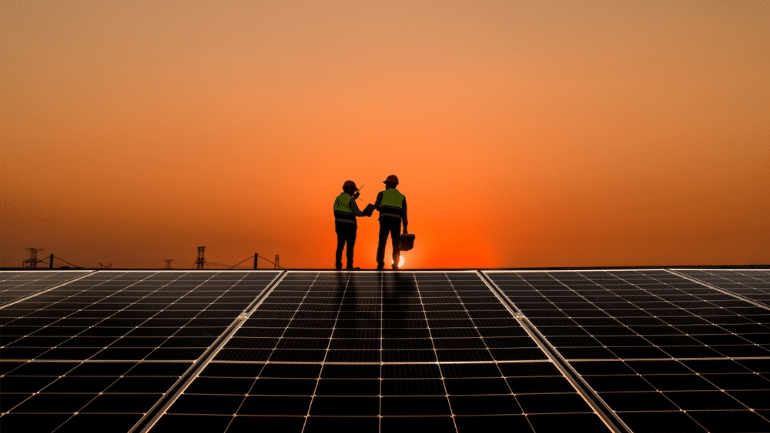
Notably, the sites ran entirely on solar energy. Each location used high-efficiency panels and battery backup. The battery system could support operations for 52 hours without sunlight.
The trial also used satellite backhaul. This means the sites connected to U Mobile’s core network through satellite links. They did not need fiber or other ground-based transmission systems.
This design gives operators a faster path into hard-to-reach areas. According to U Mobile, the portable site can go live in three days. A conventional rural tower can take nearly a year.
However, the model still depends on careful planning. Solar output changes with weather and location. Satellite backhaul can also add cost and latency. For some services, latency may affect the user experience.
Even so, the approach could help close coverage gaps quickly. It may also support emergency response after floods, landslides, or storms. In those cases, power lines and fiber routes often fail first.
U Mobile sees the technology as a practical way to expand coverage. It could serve schools, halls, clinics, and isolated villages. The company also links the trial to its wider ULTRA5G network plans.
“We have the opportunity to explore more agile ways of expanding our network, particularly in areas where conventional deployment can be challenging,” U Mobile Chief Technology Officer Woon Ooi Yuen said in a statement. “Together with technology partners such as ZTE, we will continue to explore practical innovations that can accelerate the expansion of our ULTRA5G network, help close the digital divide and extend the benefits of connectivity to more Malaysians.”
ZTE Malaysia also framed the project as a digital inclusion effort. The company highlighted the mix of solar power, storage, and satellite connectivity.
“Through our collaboration with U Mobile, we are combining solar power, battery storage and satellite backhaul in a portable rural network solution that addresses key infrastructure challenges in remote areas. This rural pilot proof of concept reflects our shared commitment to making 4G and 5G connectivity more accessible and supporting Malaysia’s digital inclusion aspirations.”
For telecom engineers, the trial shows a useful deployment pattern. It will not replace full macro networks everywhere. Yet it offers a flexible tool for difficult terrain and urgent connectivity needs.