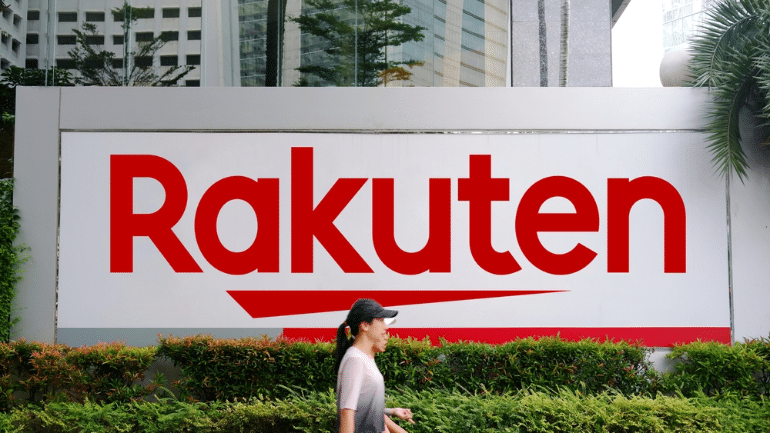
Rakuten Mobile is turning its open network strategy into an AI automation platform. The Japanese operator says its software-defined Open RAN architecture now supports smarter network operations, lower energy use, and faster decisions near users.
The move matters because telecom operators face rising traffic and energy costs. Traditional radio networks often depend on tightly integrated vendor systems. Rakuten Mobile chose a different path in 2019. It built a cloud-native network designed around software and open interfaces.
Sudhakar Pandey, head of RAN at Rakuten Mobile, shared updated scale figures. The network now includes more than 152,000 sites and over 330,000 cells. He said the first goal was reducing vendor lock-in. Today, that same foundation supports AI-driven intelligence.
One clear result appears in energy efficiency. Rakuten Mobile recently achieved TM Forum Level 4 autonomous validation for live RAN energy efficiency. According to Pandey, the project delivered energy savings above 20%. Those gains support the company’s 2030 sustainability target and EBITDA goals.
The speed of deployment also stands out. Pandey said benefits appeared within four to six weeks. He linked that progress to the operator’s virtualized, cloud-native design. In simpler terms, Rakuten Mobile can change network behavior through software faster.
However, automation does not mean removing people from the loop. Pandey stressed that humans still define goals, risk limits, and safety rules. Closed-loop systems can handle known situations. Engineers still step in when models face unfamiliar events.
That balance should interest VoIP engineers and network teams. Automation can reduce repetitive work and improve response times. Yet it also requires strong policies and careful monitoring. Poorly trained models could affect service quality if unchecked.
Rakuten Mobile also tracks customer experience beyond standard network metrics. It monitors latency, packet loss, jitter, voice quality, and call setup time. These measures matter for real-time services, including voice and video calling.
This approach links network efficiency with user experience. Saving power helps business performance. Still, operators must avoid creating slower or less stable services. Rakuten Mobile claims its model keeps service quality aligned with Japanese market expectations.
Meanwhile, the carrier is working with Intel on AI inference inside the RAN environment. Inference means using trained AI models to make decisions. Bringing it closer to the cell edge can reduce delays. That could improve applications needing fast local decisions.
Rakuten Mobile’s RAN software uses Intel’s FlexRAN reference model. The companies also discussed Intel’s latest “GNRD” chipset during the presentation. Their aim is to run AI workloads beside RAN functions. This avoids sending every decision to a central data center.
The company continues to expand its 5G Standalone plans as well. Last year, Rakuten Mobile named Cisco, Nokia, and F5 as lead partners. The company said these alliances will “significantly enhance its network capabilities, simplify operations through AI-driven systems, and drive innovation” across Japan.
For the wider industry, Rakuten Mobile offers a useful test case. Its experience shows Open RAN can scale with automation. Yet it also highlights the need for cultural change. Operators must adopt software thinking, open systems, and disciplined AI governance.