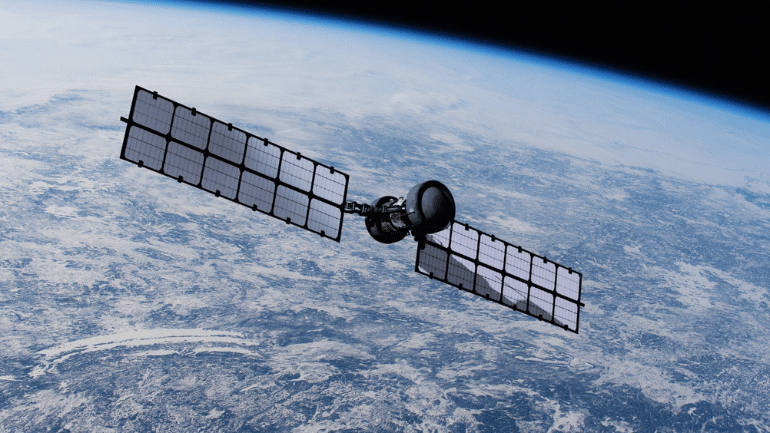
Europe’s satellite connectivity debate is moving from engineering circles to political strategy. At a recent event organized by Sateliot, leaders warned that Europe must act faster in space communications.
Javi López, vice president of the European Parliament, said Europe cannot remain a “mere observer” in space governance. He added that “control of our space infrastructure is not a technical issue, but a strategic one.”
The message reflects growing concern across European telecom markets. Satellite networks now support emergency services, IoT, defense, remote broadband, and mobile coverage. As dependence grows, ownership and control matter more.
Sateliot CEO Jaume Sanpera focused on spectrum policy and industrial cooperation. He said the 2GHz band review could strengthen Europe’s digital independence. Spectrum is the radio frequency resource used by wireless services.
“Opening spectrum access through open standards like 3GPP is the pathway to fostering European industrial champions and ensuring our critical infrastructure does not depend on third countries,” he said.
That argument will interest mobile operators and network planners. Open standards, such as 3GPP, can reduce vendor lock-in. They can also help satellite services connect with terrestrial mobile networks.
This approach could support space-based 5G services across remote regions. It may also help operators reach ships, farms, sensors, and disaster zones. However, spectrum sharing needs careful coordination. Poor planning can create interference and slow commercial rollouts.
Sateliot’s position also highlights Europe’s wider challenge. The region wants digital sovereignty but needs private capital. Satellite systems require heavy investment, long timelines, and regulatory certainty. Without that mix, international rivals could move faster.
Elsewhere in the regional update, UK IoT firm Connexin secured £35 million in financing. The company will expand smart water meter networks. The funding comes as UK water firms face pressure over leakage and pollution.
Meanwhile, Ericsson joined Sweden’s sovereign AI supercomputer project, Sferical AI. The platform uses Nvidia technology for demanding AI workloads. Nvidia CEO Jensen Huang told attendees, “You have done the hardest part… you have started.”
France’s Bouygues Telecom also gained industry recognition for its Wi-Fi network. The operator won praise for Wi-Fi 7 deployment and environmental certifications.
Finally, Finland plans to activate a Cell Broadcast warning system called FI-Alert. It will send urgent messages to phones in specific areas. This adds another example of telecom networks supporting public safety.
Together, these developments show a clear direction. Connectivity is no longer only about speed and coverage. It now sits at the center of security, resilience, and national strategy.