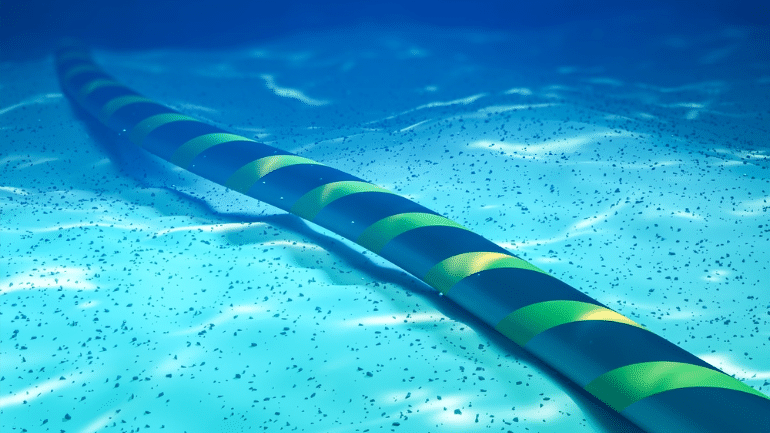
The UK government plans tougher penalties for attacks on undersea infrastructure.
The proposals target damage to subsea cables and energy pipelines. They include prison sentences of up to 14 years. They also introduce unlimited fines for serious offences.
The move reflects rising concern over critical national links. Undersea cables carry more than 99% of the UK’s international data traffic. Pipelines also supply around 74% of the country’s gas.
As a result, telecoms operators could face stricter security duties. They would need to identify network risks more actively. They would also need stronger plans to manage those risks.
In addition, ministers want new powers over operators. The government could order firms to protect cables from sabotage or espionage. This marks a major shift from older legal frameworks.
Some current laws date back more than 140 years. That creates a clear gap in today’s threat environment. Modern networks now support banking, cloud services, messaging, and enterprise traffic.
Telecoms Minister Ian Murray said: “Undersea cables are the hidden backbone of modern Britain, carrying the data we rely on every day to message friends and family, do our banking, and run our businesses.
“The threats we face have changed dramatically, with suspicious Russian activity around critical undersea infrastructure, yet some of the laws protecting these vital connections date back more than a century.
“We intend to modernise those laws with tougher penalties, stronger requirements on industry and new powers to protect our national security, making sure the UK’s critical infrastructure is fit for the threats of today and tomorrow.”
The proposals follow reported Russian activity near UK undersea infrastructure. In April, authorities discovered a covert Russian submarine operation near critical routes.
However, most cable damage still comes from everyday maritime incidents. Fishing gear, ship anchors, bad weather, and technical faults remain common causes. This means enforcement must separate accidents from hostile activity.
The new framework could improve deterrence and response times. Clear penalties may discourage reckless behaviour near cable landing routes. Stronger operator duties could also improve resilience planning.
At the same time, operators may face added cost and complexity. Smaller carriers could need support to meet new requirements. Regulators will need practical rules, not just tougher language.
The plans also cover fibre-optic sensing technology. These systems can detect movement at sea using cable signals. Yet they may expose sensitive data if poorly controlled.
Energy Minister Michael Shanks said: “Undersea pipelines and cables are critical to keeping energy flowing to homes and businesses across the UK. This legislation will further strengthen deterrence and help ensure we can prevent, detect, and respond to threats against our energy supply.”
For telecoms engineers, the message is clear. Subsea networks are no longer just connectivity assets. They now sit at the centre of national security planning.